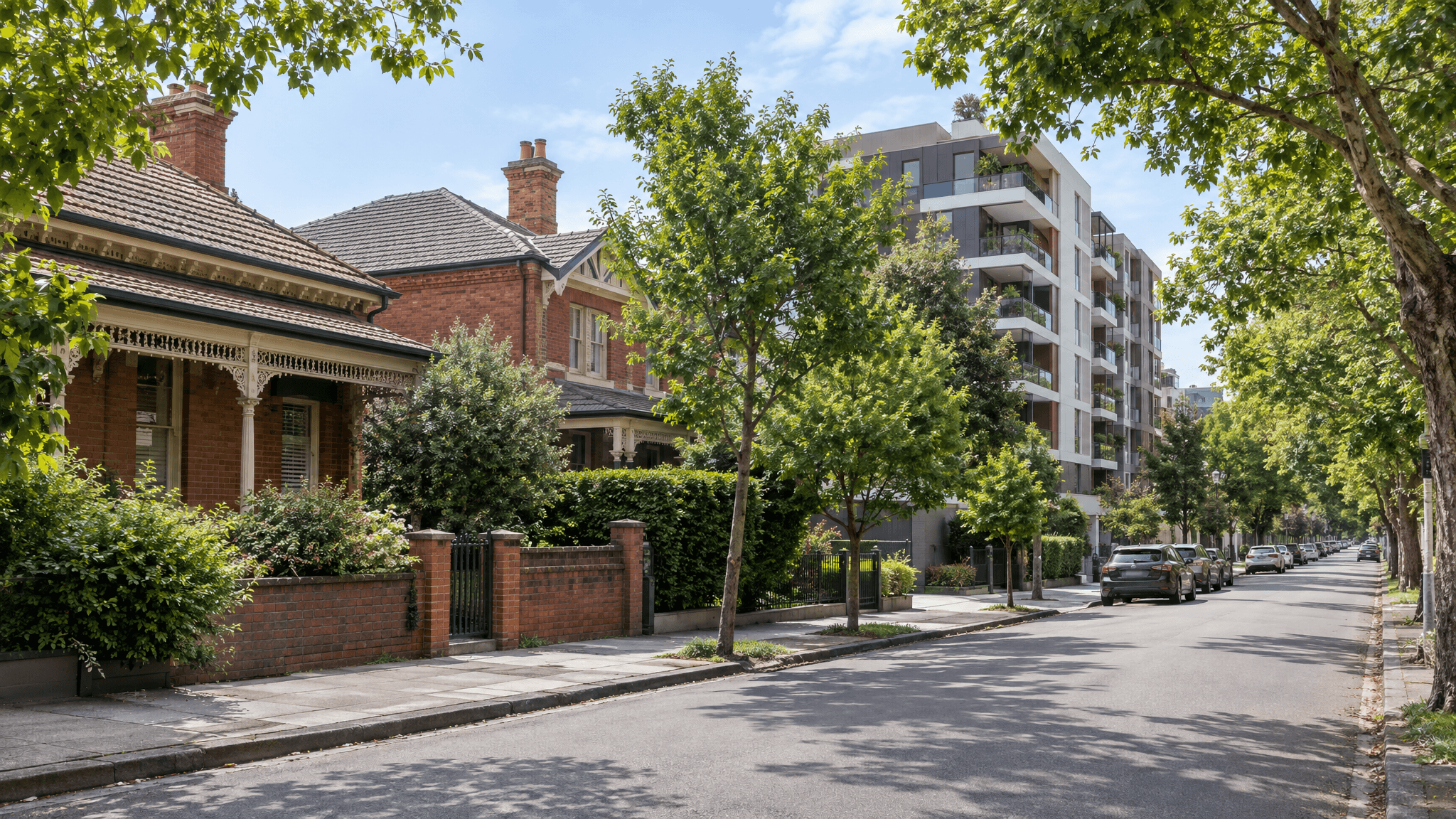
WA opens consultation on major changes to subdivision and residential design rules
Draft WA planning rules could make more suburban blocks eligible for subdivision, reduce approval requirements and provide greater flexibility for apartments and infill housing.

RentBuy Team
4 min read
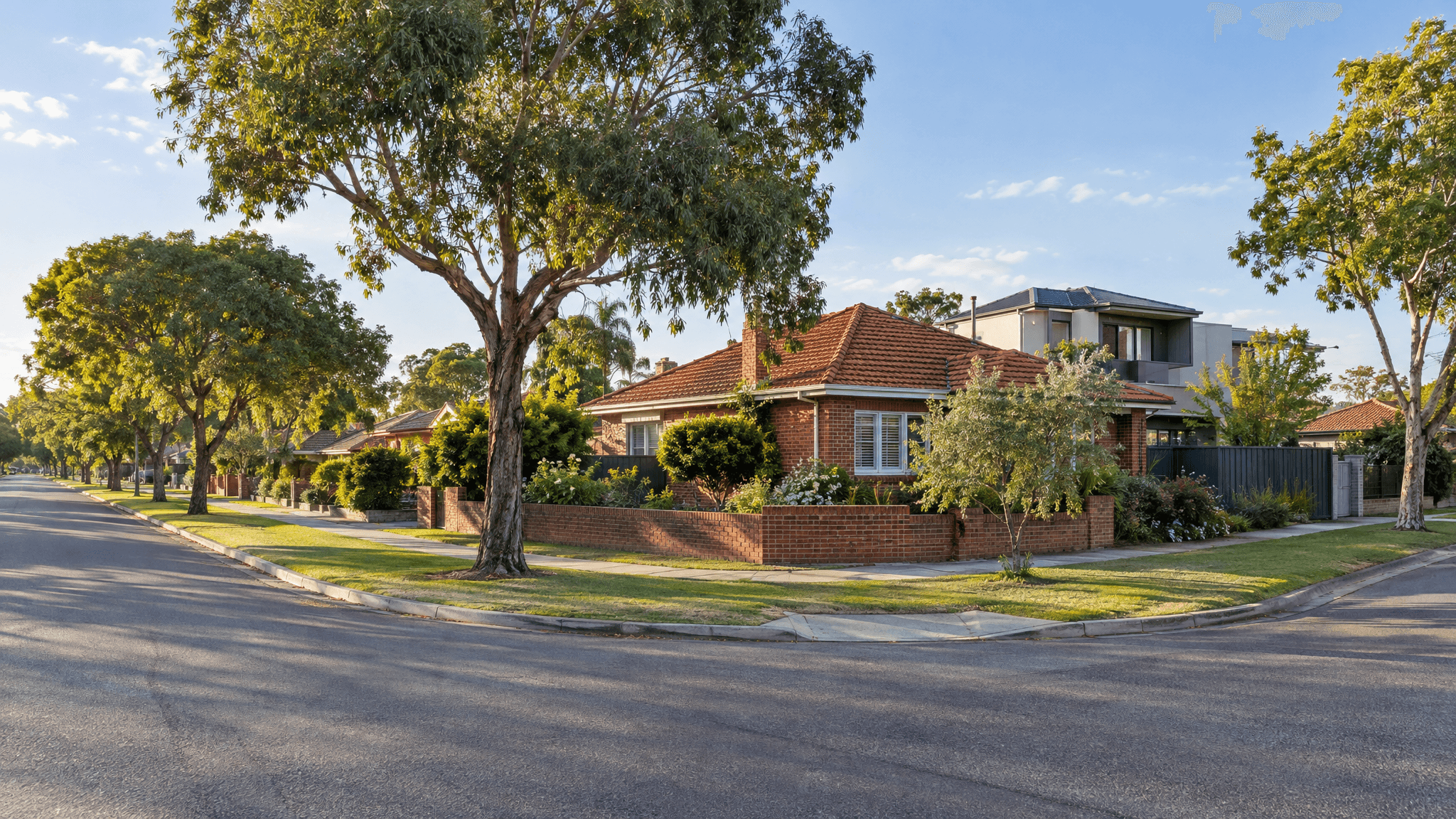
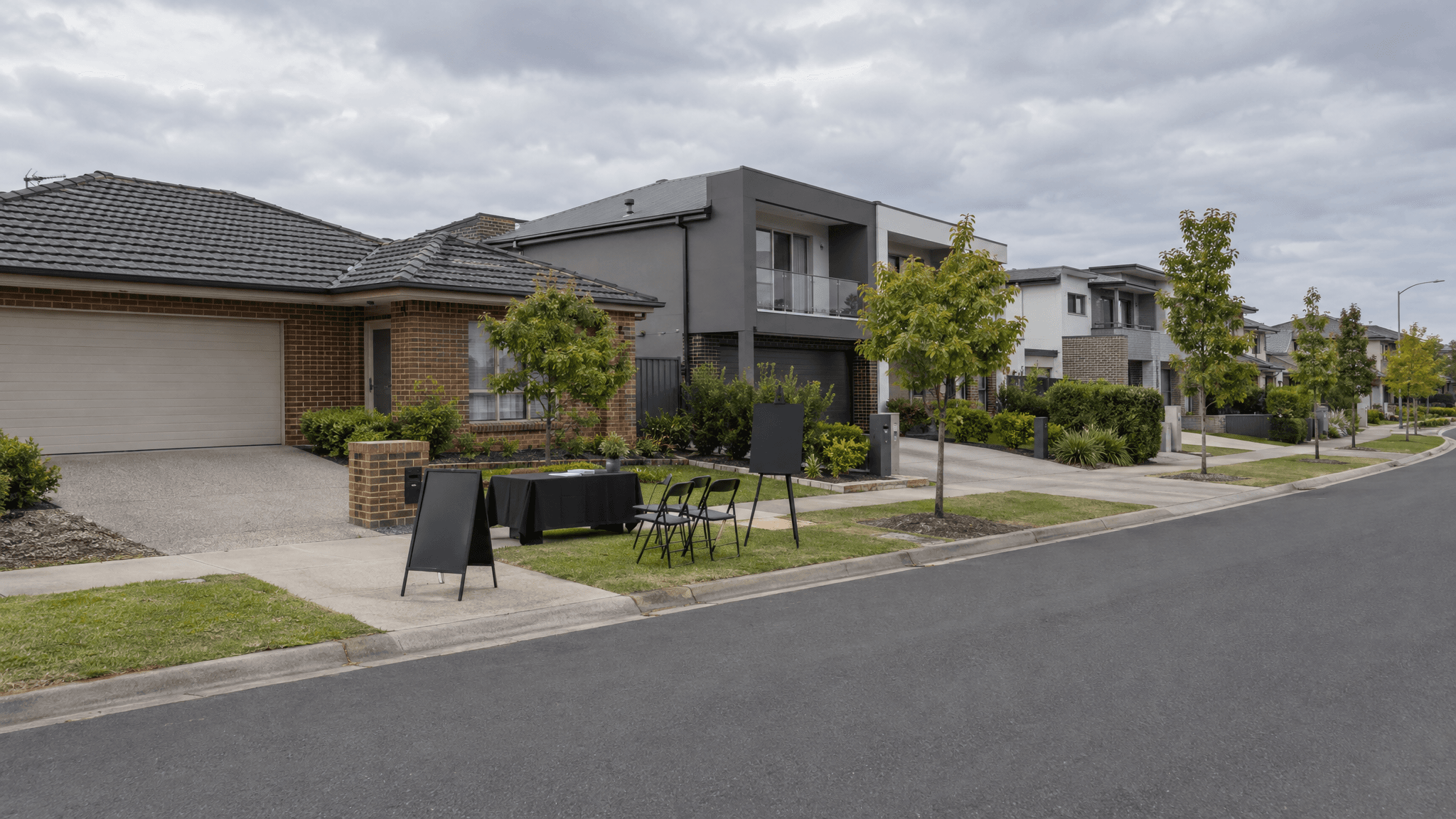
Western Australia has opened public consultation on a major rewrite of the planning rules that shape single houses, townhouses, apartments and residential subdivisions across the state.
The Western Australian Planning Commission released the draft Residential Design Codes, known as the R-Codes, for comment on Saturday 24 October. Submissions will remain open until 5pm AWST on 26 February 2027.
The R-Codes affect matters ranging from lot sizes and building heights to parking, private open space, setbacks and landscaping. That makes the review relevant not only to builders and developers, but also to homeowners considering a subdivision, buyers assessing a site’s future potential and residents concerned about neighbourhood change.
No final decision has been made. Existing planning applications will continue to be assessed under the current framework, and the WA Government says approved changes may begin operating from mid to late 2027.
More suburban blocks could become subdividable
One of the most significant proposals concerns the average site-area rule applying to lower-density land.
When the reform program was outlined in July, the WA Government said removing the average lot-size requirement for land coded R20 and below could allow owners of some 700-square-metre R20 blocks to subdivide. The existing average requirement is generally 900 square metres at R20 density.
The government estimated that more than 50,000 existing properties across metropolitan Perth could gain subdivision potential under that change.
That does not mean every block of the relevant size would automatically qualify. Street access, frontage, servicing, local planning controls, retained buildings and other design requirements could still affect whether subdivision is possible.
However, removing the average site-area test would potentially give owners and small developers more flexibility to create an additional lot or dwelling in established suburbs.
The consultation is also testing whether average site-area requirements should be removed across the R10 to R25 density codes and whether other forms of subdivision flexibility should be introduced.
Simpler approvals and different housing types
The draft package is intended to consolidate and simplify rules that the Western Australian Planning Commission says have become difficult to navigate after years of amendments.
Proposals outlined through the review include:
- reducing the number of straightforward houses, extensions, patios and carports that need planning approval
- seeking to cut the assessment period for some single-home applications from 60 days to 30 days
- allowing three-storey development in R40 areas, rather than the current two-storey baseline
- reconsidering minimum resident and visitor parking requirements for apartments
- reconsidering parking requirements for ancillary dwellings, commonly called granny flats
- testing new settings for building height, private open space, tree retention, solar access and ventilation
- providing more opportunities for walk-up apartments and other medium-density housing types.
Parking changes could reduce the cost and land required for some developments, particularly in locations where residents can rely on public transport. They may also attract concern in suburbs where on-street parking is already scarce.
The review proposes to retain controls dealing with matters such as landscaping, privacy, setbacks, streetscape and building height, although some standards and assessment methods could change.
Residential subdivision policy would be consolidated
The government is separately proposing to repeal Operational Policy 2.2, which currently deals with residential subdivision.
Its remaining provisions would be moved into the revised R-Codes and a consolidated subdivision policy. The department says much of the existing document either duplicates another policy or covers matters now addressed through the R-Codes.
For property owners, the intended result is a smaller and more consistent collection of rules. Whether that outcome is achieved will depend on the final wording and how local governments apply the revised framework.
Buyers should therefore treat the draft as a possible future change rather than adding unconfirmed subdivision value to an offer today. Due diligence should continue to be based on the rules currently in force and advice from the relevant council or a qualified planner.
What it means for you
- WA owners with larger suburban blocks should check their density coding and follow the consultation, but subdivision rules have not changed yet.
- Buyers should not pay a premium based only on proposed development potential.
- Apartment and infill developers could gain more flexibility on parking, height and housing type if the reforms proceed.
- Submissions on the draft R-Codes close at 5pm AWST on 26 February 2027.