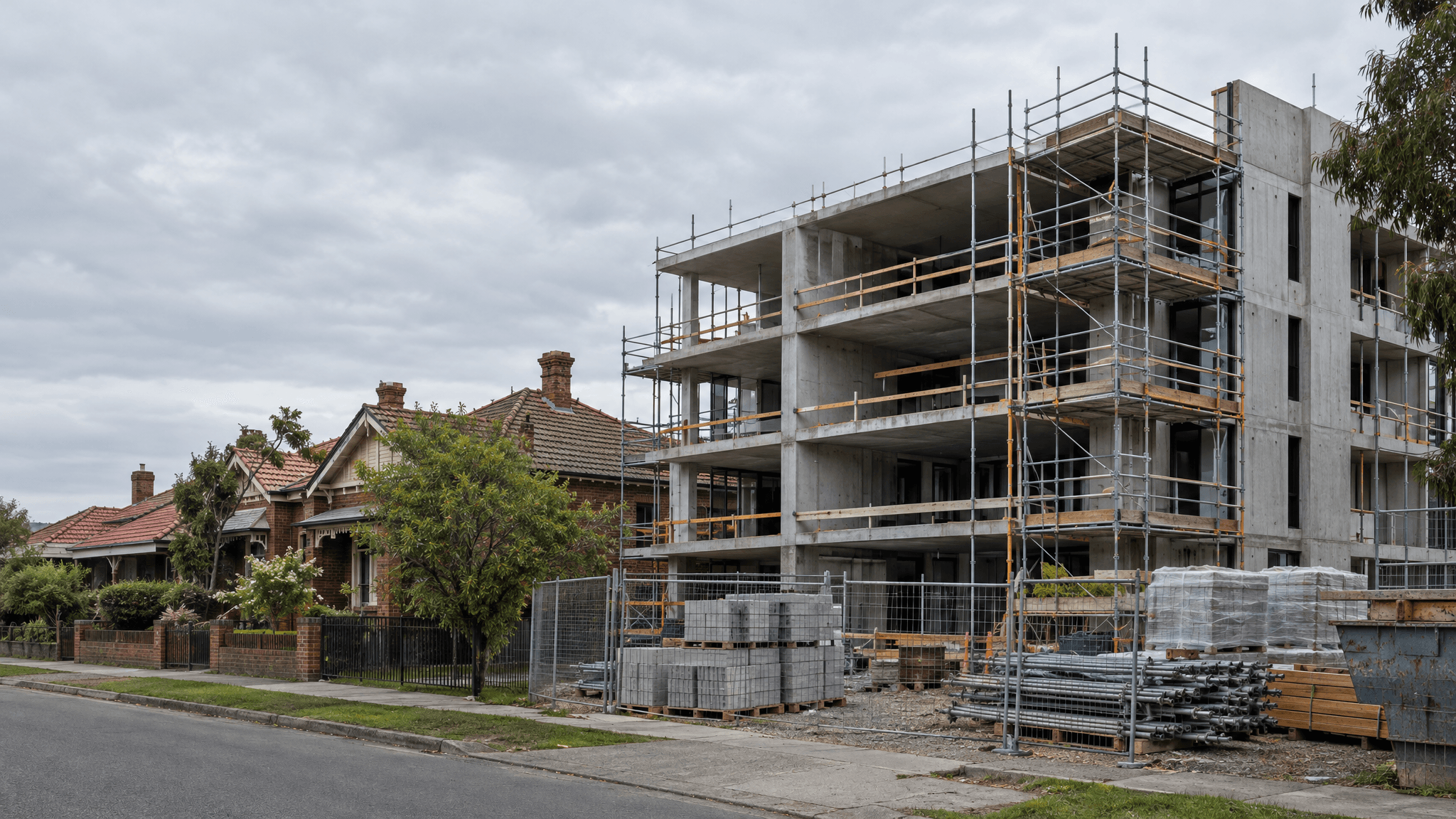
House prices fall in every capital as the downturn broadens
Domain recorded the steepest quarterly fall in combined capital-city house prices in its series, with buyers gaining negotiating power but borrowing constraints still limiting affordability.

RentBuy Team
4 min read
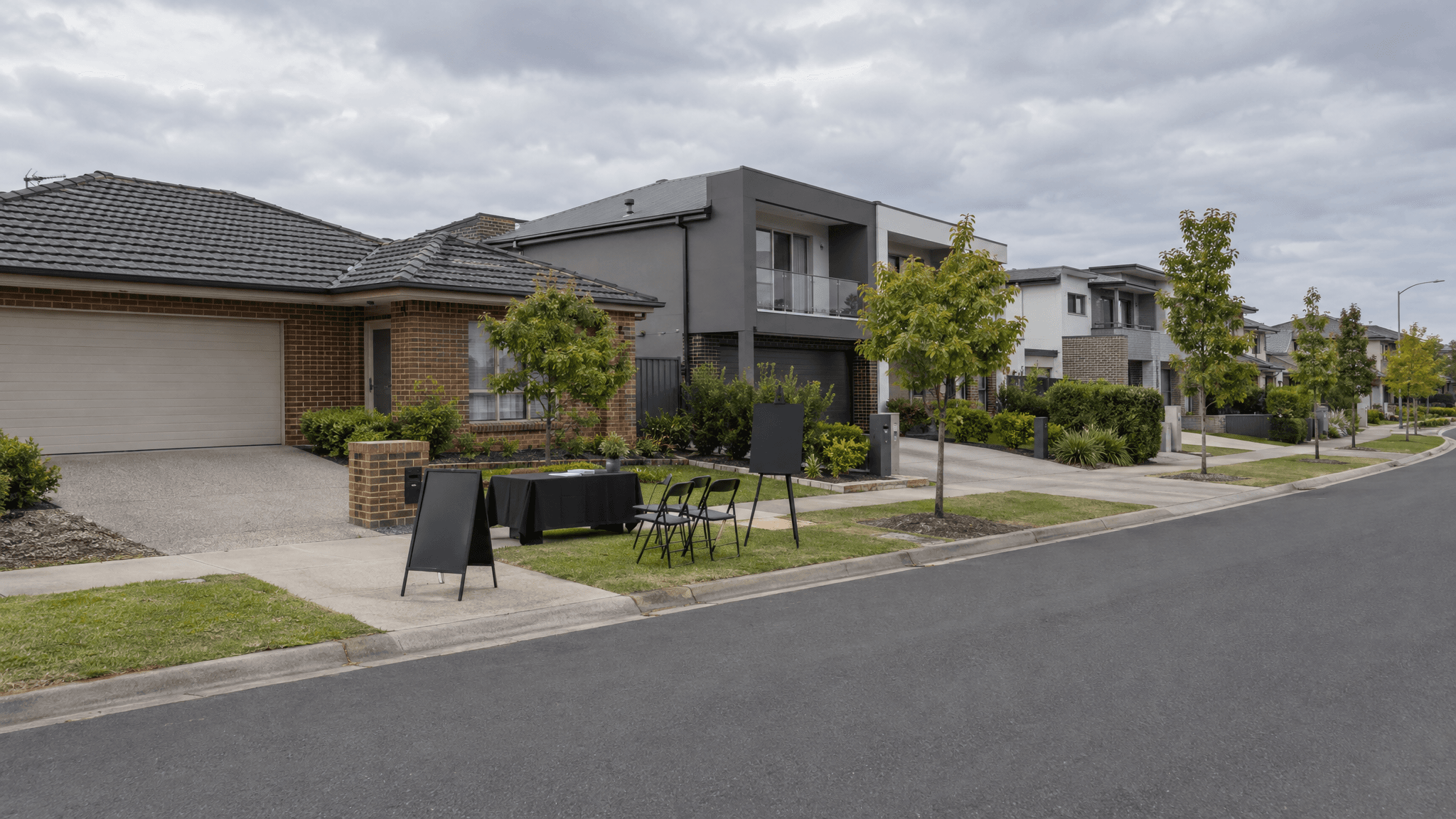
House prices fell across every Australian capital during the September quarter, marking the broadest phase yet of the current property downturn.
Domain’s September Quarter 2026 House Price Report recorded a 4.7 per cent fall in combined capital-city house prices. It was the steepest quarterly decline in the company’s series and reduced the combined median by $59,870 to $1,226,566.
Every capital recorded a decline for the first time in 15 years and only the second time in Domain’s records. Combined capital-city unit prices also fell, dropping 3.5 per cent to $702,858 in their largest quarterly decline for seven and a half years.
Both houses and units have now declined for two consecutive quarters, while annual price growth has turned negative for the first time in more than three years.
Former growth leaders reverse
Perth recorded the largest quarterly house price fall, declining 7.4 per cent to $1.115 million. Its unit median fell 6.5 per cent to $659,561.
Brisbane house prices dropped 5.4 per cent to $1.15 million, ending almost four years of uninterrupted growth. Adelaide’s median declined 3 per cent to $1.095 million after more than three and a half years without a quarterly fall.
The reversals in Perth, Brisbane and Adelaide are significant because those markets had previously benefited from interstate migration, relative affordability and constrained supply. Domain said affordability pressures and weaker confidence had caught up with them.
Sydney house prices fell 4.7 per cent to $1.66 million, their largest quarterly decline in four years. The median was 7.9 per cent below its December 2025 peak and at its lowest level in two years.
Melbourne’s median declined 3.3 per cent to $1.014 million, leaving it close to dropping below $1 million. Canberra, Hobart and Darwin recorded house price falls of between 2.6 and 3 per cent.
Darwin was the only capital where unit prices rose during the quarter, increasing 2.2 per cent to $454,732.
Buyers have more room to negotiate
Domain attributed the downturn to higher interest rates, cost-of-living pressure, reduced borrowing capacity and changes to property investment tax settings. These pressures have made buyers less willing or able to meet vendors’ previous expectations.
The report said homes were taking longer to sell, discounting had increased and some vendors were switching from auctions to private treaty campaigns.
ABC News reported that the decline has been especially pronounced among more expensive properties. Cotality data cited by the ABC showed Sydney’s highest-value quarter of homes falling by more than twice as much as its lowest-value quarter during the three months to September.
This does not mean every lower-priced property is becoming cheaper. Affordable homes remain accessible to a larger pool of buyers, including first-home buyers operating within government scheme and lending limits. Competition can therefore remain firm for well-presented apartments, townhouses and entry-level houses even when the citywide median is falling.
Buyers should also avoid treating a percentage decline as an automatic affordability gain. A lower purchase price may not offset the effect of higher mortgage rates on borrowing capacity and monthly repayments.
Sellers face a different market
Vendors entering the market now need evidence based on recent comparable sales, rather than prices achieved near the peak. A comparable sale from several months ago may no longer reflect current borrowing limits or buyer sentiment.
Properties with unrealistic guides risk longer campaigns and repeated price changes. By contrast, realistic pricing can help attract the smaller group of buyers who are finance-ready and willing to transact despite uncertainty.
The figures also reinforce the importance of local conditions. Domain’s results are capital-city medians covering a wide mix of homes, and individual suburbs, property types and price brackets can move differently.
What it means for you
- Buyers have more negotiating power, but should obtain updated loan approval before making an offer.
- Compare recent sales of similar properties rather than relying on the citywide percentage fall.
- Sellers may need to adjust price expectations and allow more time for a campaign.
- Unit markets are holding up better overall, although most capitals still recorded quarterly declines.