Treasury says housing is widening Australia’s generational wealth divide
The 2026 Intergenerational Report says falling home ownership, weak building productivity and investor demand for existing homes are deepening the divide between younger and older Australians.

RentBuy Team
4 min read
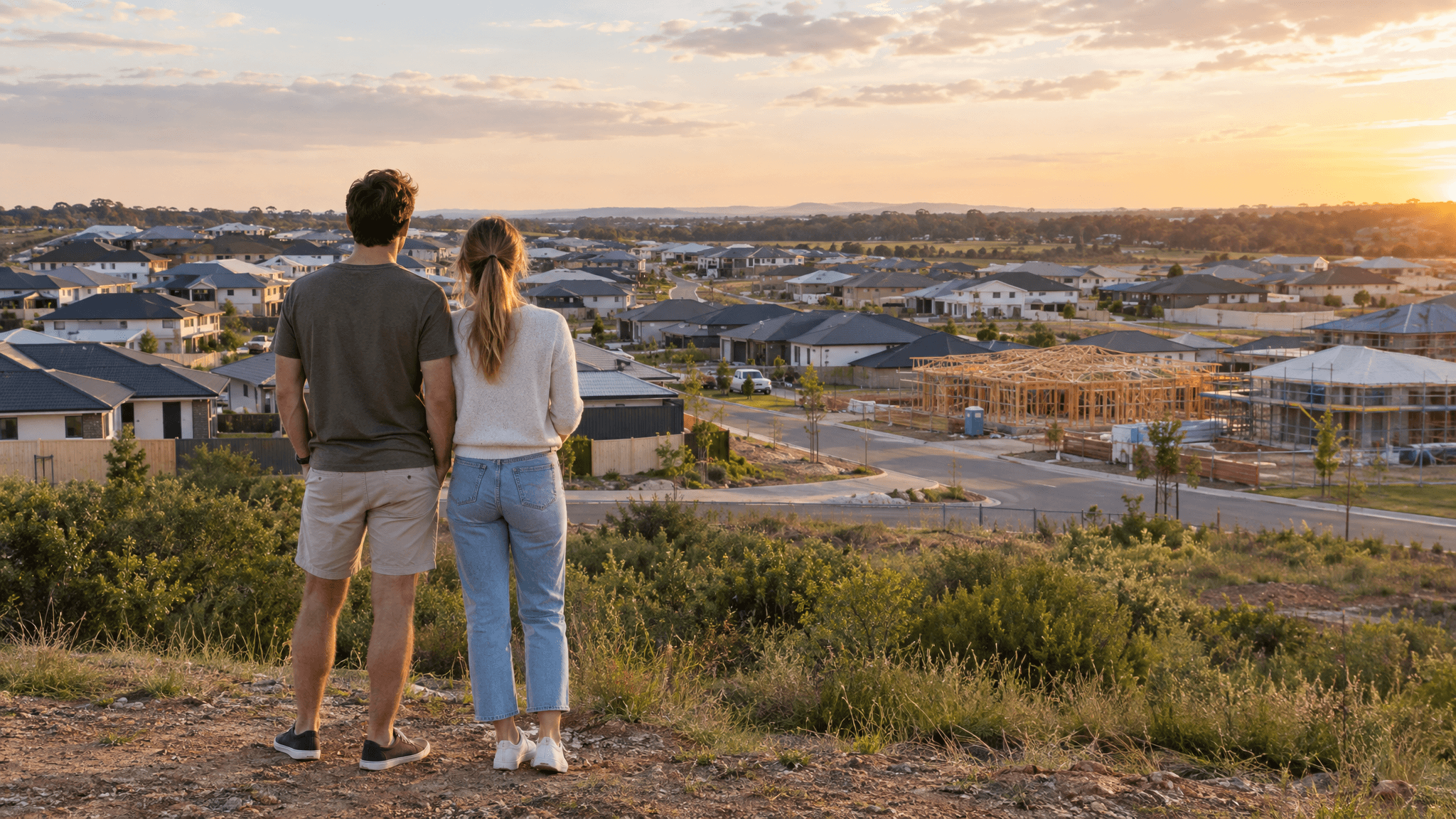
Australia’s housing problem is becoming a long-term divide in who can build wealth, according to the 2026 Intergenerational Report released by Treasury on Monday.
The report looks across the next 40 years, but its housing findings are grounded in pressures already facing buyers and renters: property prices have grown much faster than incomes, construction has not responded efficiently enough and younger households are entering the market later, if at all.
Treasury’s assessment is not a short-term property forecast. It is a warning that the way Australians gain security and accumulate wealth through home ownership has become less accessible between generations.
The missing young home owners
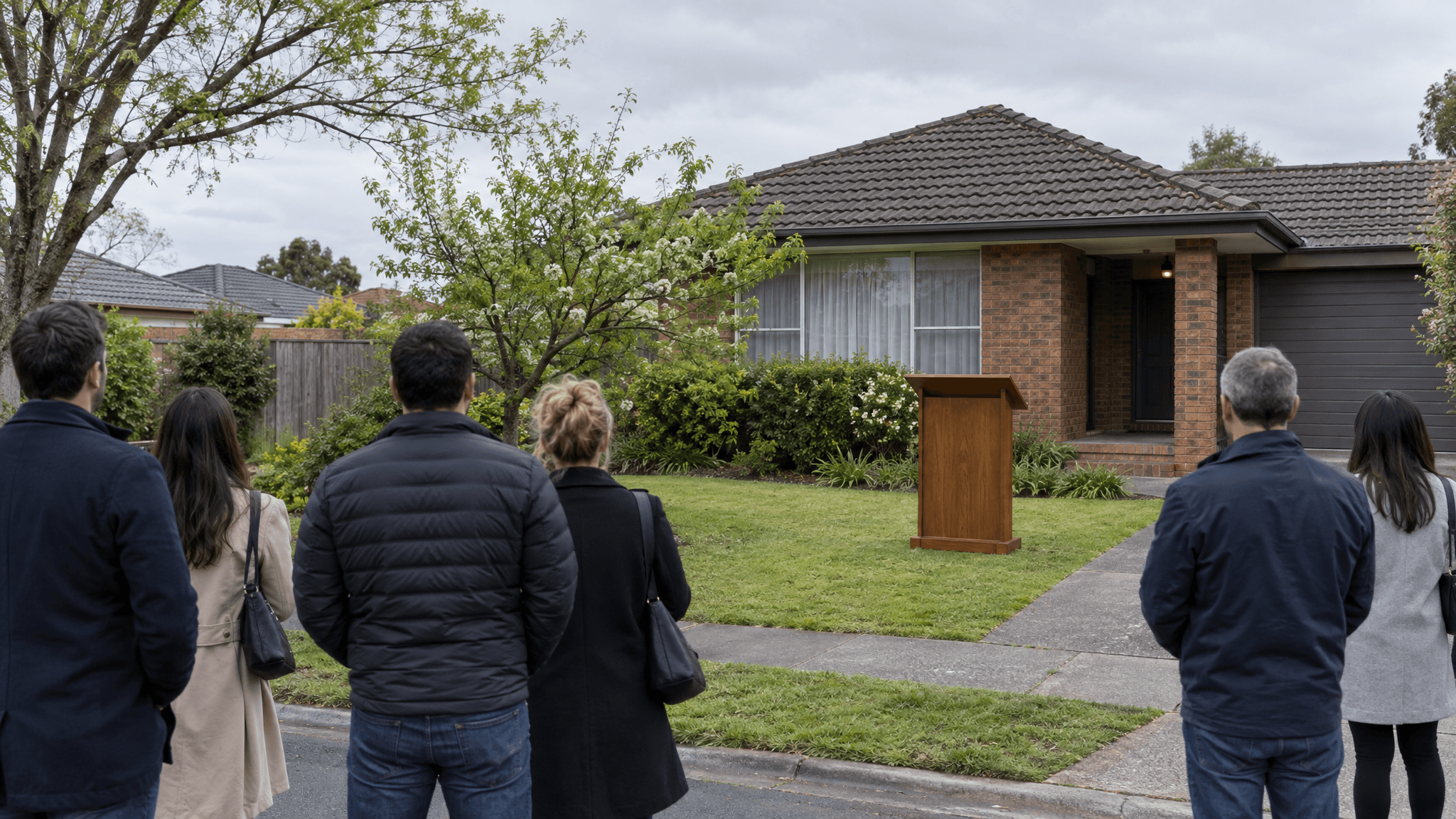
According to figures highlighted by the ABC’s coverage of the report, Australia would have about 250,000 more home owners aged 25 to 34 if the ownership rate for that age group had remained at its 1981 level.
House prices have risen by about 400 per cent since 1999, more than twice the growth in average income over that period. That has increased the size of the deposit and mortgage needed to buy, even where a household’s earnings have grown.
The consequences extend beyond whether someone owns or rents today. Home ownership has traditionally allowed households to accumulate equity while reducing their housing costs before retirement. People who buy later have fewer working years to repay a loan, while lifelong renters remain exposed to rent movements and the need to fund accommodation in retirement.
Treasury’s fact sheet says concerns about intergenerational equity have deepened as young Australians are increasingly locked out of the housing market. The report also finds that wealth growth has been concentrated among older households, many of which benefited from buying before the largest increases in land and dwelling values.
Supply remains the central constraint
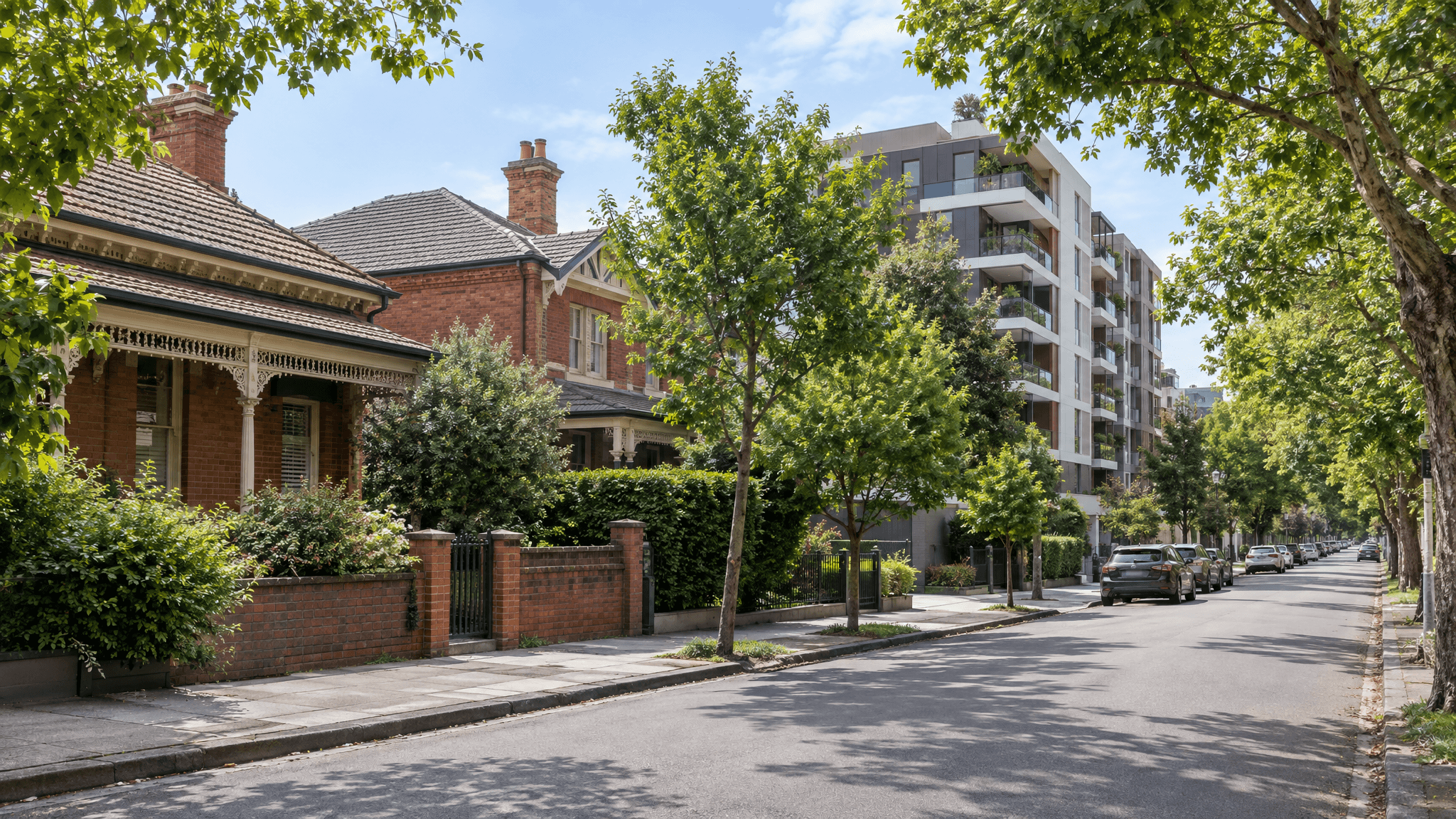
The report links housing demand to population growth and a decline in average household size, which means more dwellings are required for a given number of people. On the supply side, it points to weak construction productivity and the difficulty of adding homes quickly enough.
Australia is now building housing at roughly half the productivity level recorded 30 years ago, according to the figures reported by the ABC. This does not simply mean builders are working more slowly. Construction productivity can also be affected by project complexity, fragmented regulation, delays, labour availability, financing and the types of homes being delivered.
For buyers, weak productivity can make new housing more expensive and reduce competition with established homes. For renters, it can delay the additional supply needed to ease pressure in tightly held areas.
Improving approvals without addressing infrastructure, construction capacity and project feasibility may therefore produce plans without enough completed homes. Treasury’s diagnosis supports a broader approach that considers the entire path from rezoning and approval to finance, construction and occupation.
Investor lending is mostly buying existing homes
The report also examines how tax and credit settings influence who competes for housing. Treasury identified negative gearing and the capital gains tax discount as factors that have increased the investor share of housing ownership.
It found that between 80 and 90 per cent of investor housing lending since 2019 went towards established dwellings rather than new construction. That distinction matters because buying an existing property can add competition for the same stock sought by owner-occupiers without directly increasing the total number of homes.
Investors still supply rental accommodation, and reduced investor activity can affect the availability of private rentals. Treasury’s argument is that incentives can be designed to direct more investment towards additional housing rather than simply transferring existing homes between owners.
For the current market, the report’s main message is structural. Recent price falls may reduce some purchase prices, but they do not by themselves restore the ownership rates of earlier generations. Sustained improvement would require incomes, housing supply and access to finance to move into a healthier balance over many years.
What it means for you
- First-home buyers should judge affordability using repayments, deposit requirements and ongoing costs, not price movements alone.
- Buyers considering new homes should check construction timelines, developer credentials and total contract costs carefully.
- Sellers may face a market increasingly shaped by affordability limits rather than earlier expectations of rapid price growth.
- Renters should plan for housing costs over the longer term, particularly where buying may be delayed until later in life.