Bathla court extension gives administrators more time, but no funding guarantee
Bathla’s administrators have up to another year to examine the developer’s complex affairs, but finance for unfinished projects remains uncertain. Here is what the distinction means for buyers and housing supply.

RentBuy Team
4 min read
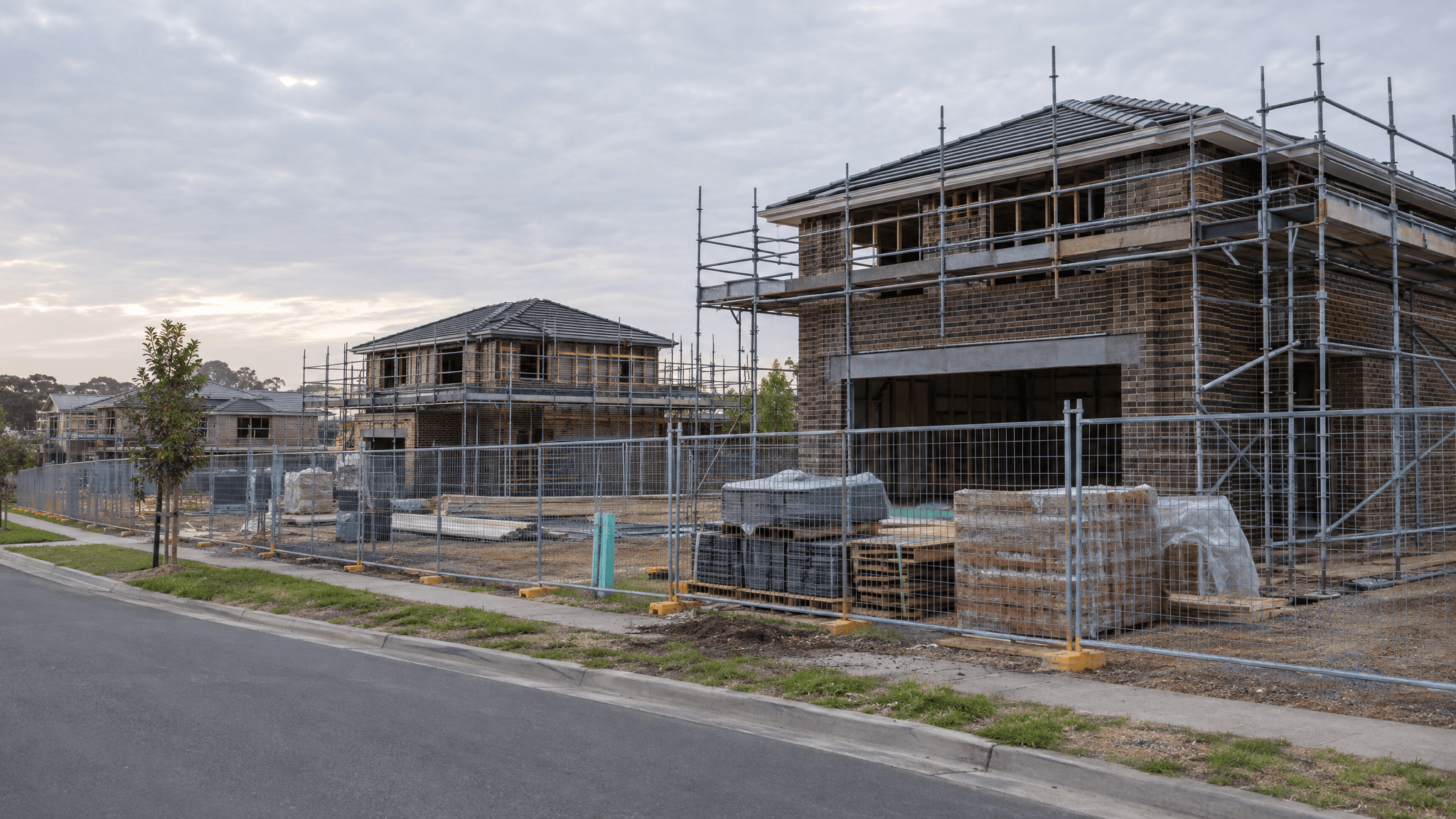
A court extension has given the administrators of troubled NSW developer Bathla Group more time to untangle its affairs, but it does not guarantee that construction will continue for another year.
The Supreme Court has allowed administrators Teneo up to 12 additional months to hold Bathla’s second creditors’ meeting, according to ABC News reporting published on Friday. That meeting is an important stage of voluntary administration, when creditors ordinarily decide whether a company should return to its directors, enter a restructuring arrangement or proceed towards liquidation.
The extra time reflects the scale and complexity of the Bathla group rather than a completed rescue. The ABC reported that Teneo had secured $4.7 million in initial funding but was still negotiating with lenders over longer-term support.
That distinction matters for buyers waiting for homes to be finished. More time for administrators to investigate assets, debts and individual developments may improve the chances of an orderly outcome, but construction depends on money being available for each project.
A large and complicated administration
Bathla has been one of western Sydney’s largest residential developers. Earlier ABC reporting said the group had about 2,000 homes under construction and roughly 13,000 more in its development pipeline when it entered administration.
Across projects already under construction, about 660 lots are subject to pre-sale contracts and another 1,974 remain available for sale, according to the ABC’s Friday update.
The administrators are also dealing with fragmented business records. The ABC reported that important construction information was spread between different computer systems, staff emails, network drives and paper files rather than held in one central repository.
This makes it harder to quickly determine the financial position, construction status and contractual obligations of every project. Different sites may also have different lenders, builders, landowners, planning approvals and pre-sale arrangements.
Teneo therefore needs to assess developments individually. A project with advanced construction, strong pre-sales and a supportive lender may have a different pathway from an early-stage site with limited funding.
Why the court order is not a one-year rescue
The extension changes an administrative deadline. It does not provide working capital, require lenders to fund projects or compel construction crews to return to suspended sites.
Earlier ABC reporting said Bathla’s administrators estimated that supporting construction could cost between $1 million and $1.3 million a week, depending on which projects continued. More than 200 employees had been stood down as the business reduced its operations.
That leaves funding negotiations as the immediate issue. Lenders will need to decide whether providing additional money is likely to preserve more value than stopping work, selling a site or transferring a project to another developer.
For the housing market, the risk extends beyond Bathla’s creditors. Delayed or cancelled developments reduce the number of homes reaching completion at a time when governments are trying to lift supply. A prolonged administration can also affect contractors, consultants and suppliers that are owed money or were relying on future Bathla work.
What buyers under contract should do
People who have signed contracts should avoid assuming that every Bathla project will have the same outcome. Buyers can ask their solicitor or conveyancer to examine their contract, the status of their deposit, sunset dates, finance conditions and any notices received from the developer or administrator.
NSW Fair Trading says deposits and instalments under qualifying off-the-plan contracts signed since December 2019 generally must remain in a trust or controlled money account until settlement. However, a buyer’s rights and risks still depend on the contract and the circumstances of the development.
Buyers should keep copies of contracts, variations, payment records, sales promises and correspondence. They should also obtain independent advice before agreeing to amendments, additional payments or revised settlement arrangements.
What it means for you
- The 12-month extension gives administrators time to investigate; it does not fund construction for 12 months.
- Buyers should seek project-specific information rather than relying on updates about the Bathla group as a whole.
- Have an independent property lawyer or conveyancer review any proposed contract change or new deadline.
- Delays to Bathla’s large pipeline could add to NSW’s broader housing supply challenge.