Buyers gain more choice, but the house affordability gap remains wide
Homes are taking longer to sell and total listings have increased, strengthening buyers’ negotiating position. New Domain research nevertheless finds detached houses remain far above typical search budgets.

RentBuy Team
4 min read

Australian buyers have more properties to consider and more time to negotiate, but a cooling market has not made detached houses affordable for many households.
Two reports released on Thursday show why softer selling conditions do not automatically solve the problem facing buyers. The realestate.com.au Market Snapshot found national home prices fell 0.2 per cent in August and were 2.7 per cent below their March peak. Domain, meanwhile, found a persistent divide between the prices buyers search for and the prices at which houses are listed.
The combination points to a market in which purchasers have gained some leverage, but their borrowing limits still rule out much of the detached housing stock.
Homes are taking longer to sell
According to the realestate.com.au report, the typical Australian home took 43 days to sell in August. That was eight days longer than a year earlier and almost two weeks longer than the recent low recorded in April.
Total properties available for sale were 8 per cent higher than a year ago, even though the flow of new listings was down 2.2 per cent nationally. Homes remaining unsold for longer have gradually added to the stock buyers can inspect and compare.
Conditions varied substantially between cities. New listings were 18.2 per cent lower than a year earlier in Sydney and 17.2 per cent lower in Melbourne. Despite that reduced flow, total stock was up 7.6 per cent in Sydney and 3.6 per cent in Melbourne.
Brisbane, Adelaide and Perth recorded a much larger expansion in choice. Total listings increased by 32.1 per cent in Brisbane, 33.5 per cent in Adelaide and 28.4 per cent in Perth over the year.
The report said low auction clearance rates and longer selling times reflected a gap between what purchasers were prepared or able to pay and what vendors expected. For buyers, that can create opportunities to negotiate conditions, request further due diligence or walk away from a property that is overpriced.
More leverage does not mean every home is within reach
Domain’s Matching Demand Report compared buyer price searches with actual property listings. It found detached houses remained beyond typical buyer budgets across every capital city.
The largest inner-city gaps between house listing prices and buyer searches were recorded in Canberra at $538,000, Melbourne at $440,000 and Sydney at $400,000.
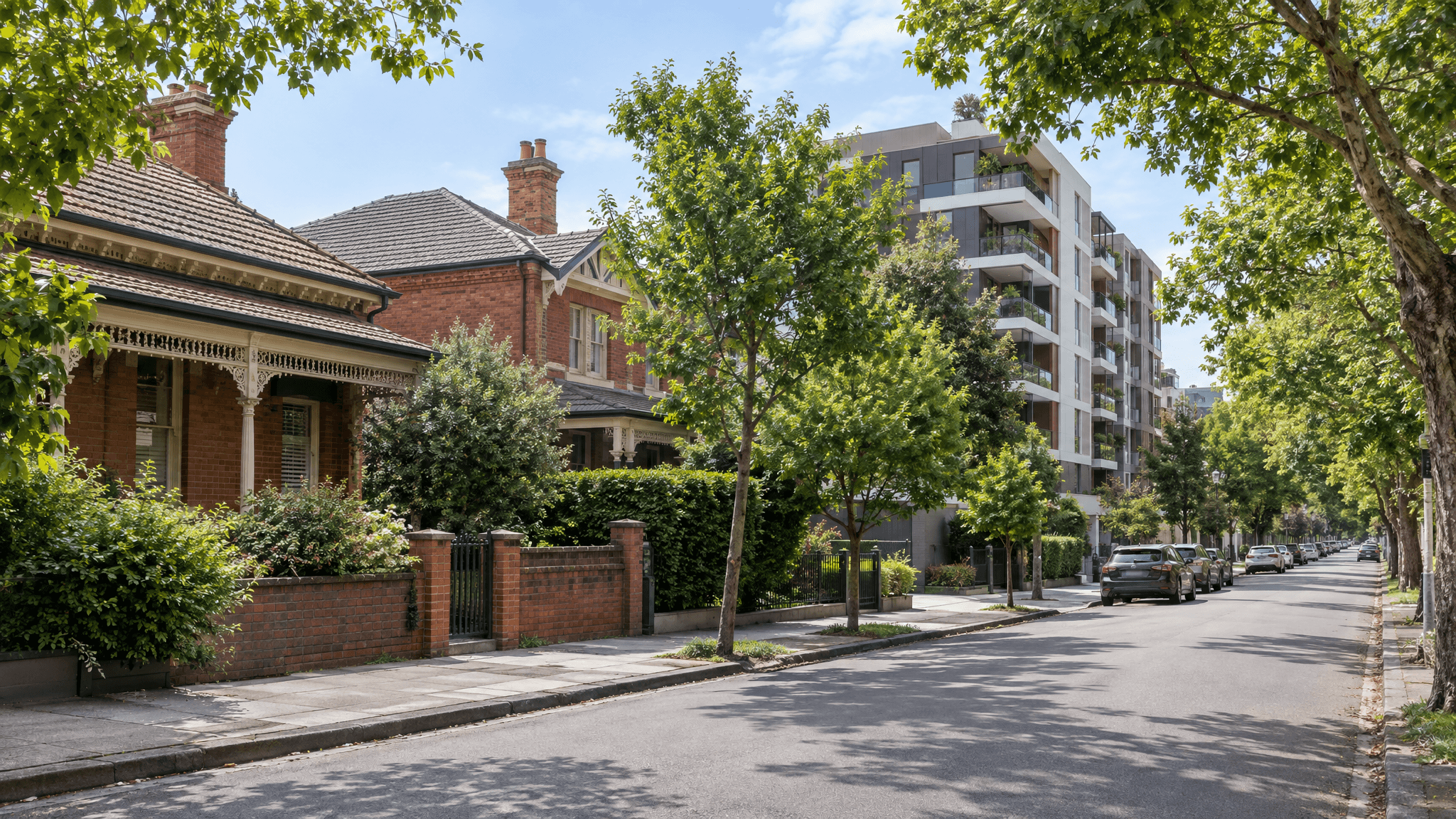
Domain’s research suggests buyers are increasingly changing the type of property they seek instead of simply moving further from the central business district. Townhouses and apartments generally showed a closer match between buyer budgets and advertised stock.
Townhouses recorded some of the largest shifts towards buyer-friendly conditions over the past year, including in Sydney’s inner ring. This makes medium-density housing an increasingly important option for households balancing price against access to employment, transport and established services.
That trade-off requires careful comparison. A lower purchase price may come with strata levies, shared maintenance decisions and less land. On the other hand, buying a unit or townhouse closer to work may reduce commuting costs and allow a purchaser to stay within an established community.
Sellers face a more selective market
Vendors should distinguish between a shortage of freshly listed properties and a shortage of total choice. Even in Sydney and Melbourne, where new listings were down, buyers had more total stock available than a year earlier.
A property priced against earlier market peaks may therefore sit unsold while comparable homes accumulate. Presentation and marketing remain relevant, but pricing is likely to determine whether serious buyers engage.
What it means for you
- Buyers generally have more time and choice, but should negotiate from verified comparable sales rather than national averages.
- A townhouse or apartment may provide a larger affordability improvement than moving to the fringe.
- Sellers should assess competing stock already on the market, not only new listings.
- Longer selling periods make realistic pricing and flexible settlement terms more important.