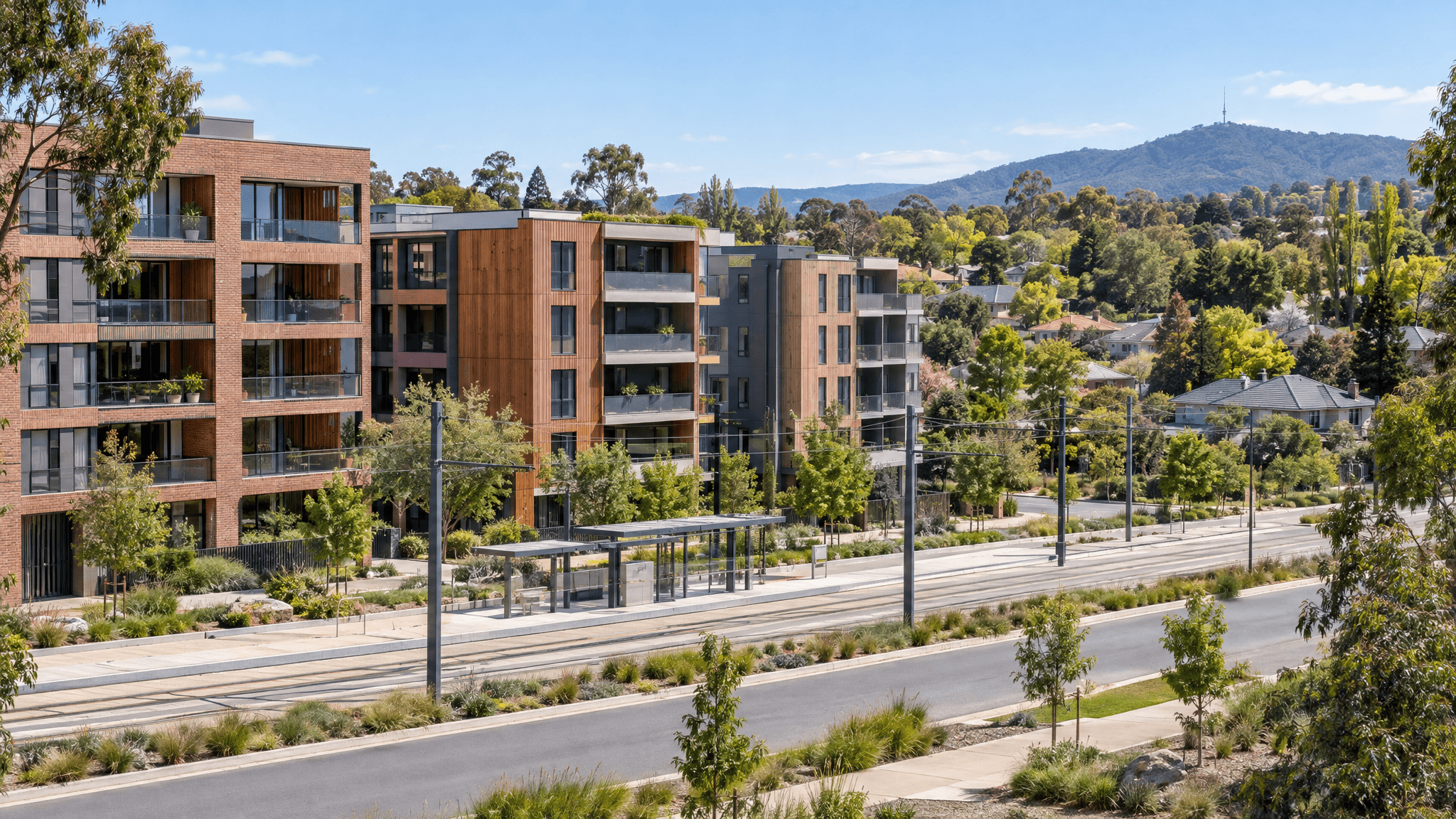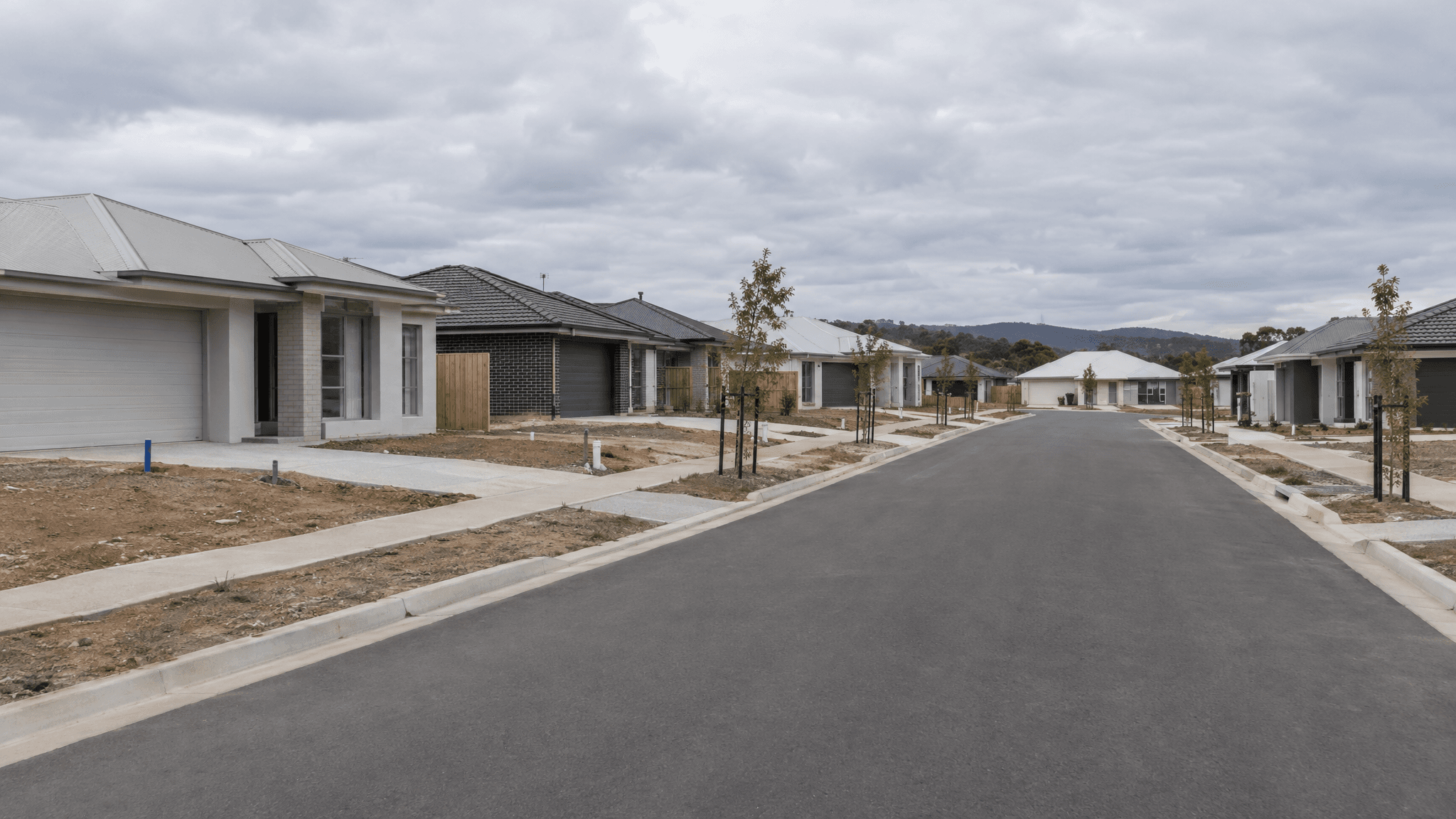
Orchard Hills rezoning clears capacity for 5,900 homes near new Metro
NSW has finalised planning controls for a new town centre and up to 5,900 homes around Orchard Hills Metro, although individual projects still need approvals, infrastructure and finance.

RentBuy Team
4 min read
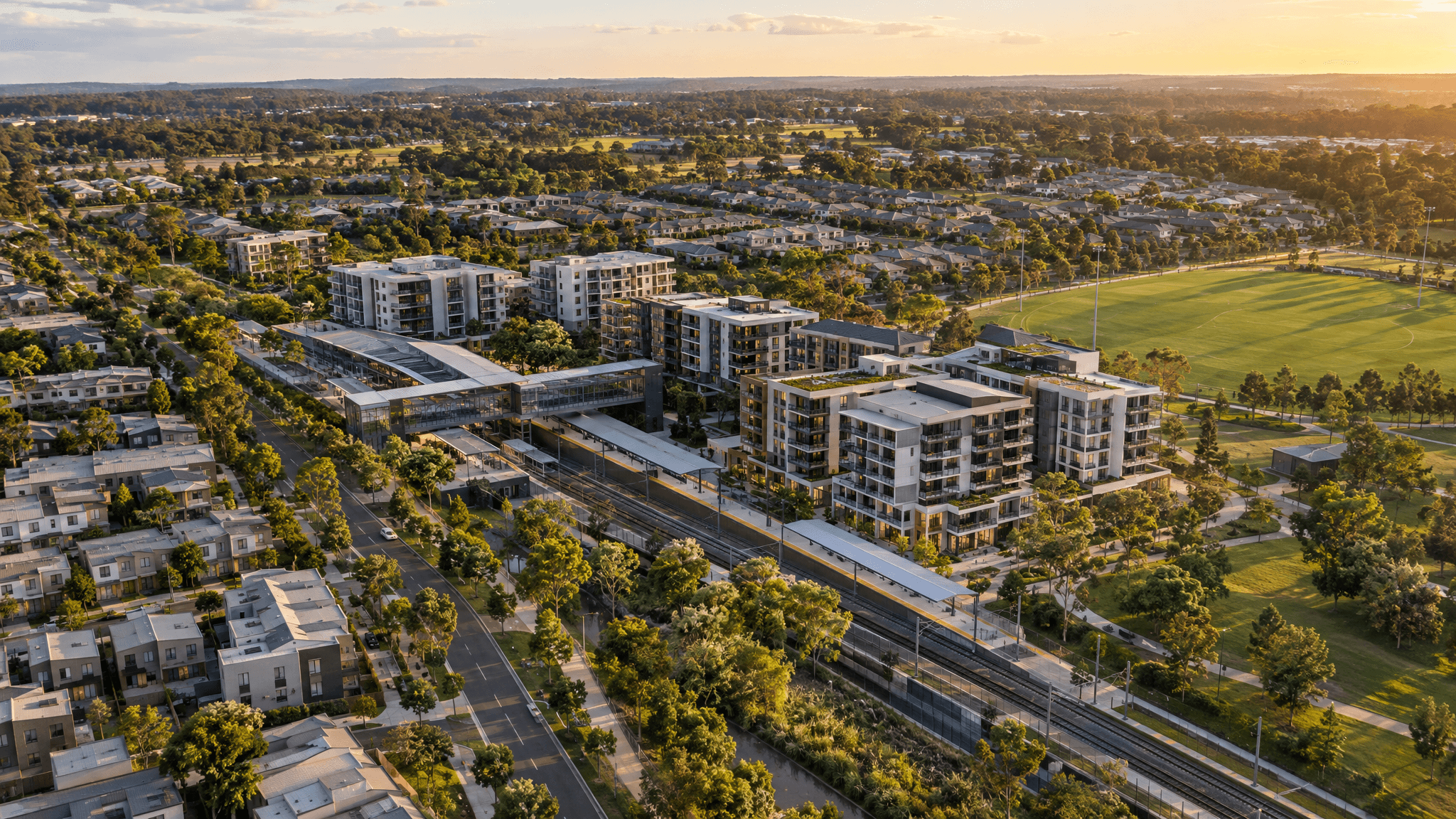
The NSW Government has finalised the first-stage rezoning of Orchard Hills, creating planning capacity for up to 5,900 homes around the Western Sydney suburb’s new Metro station.
The decision covers 155 hectares and also provides for about 2,100 jobs. It changes the Penrith Local Environmental Plan, establishing the zoning and development framework that future landowners and developers will work within.
This is an important planning milestone rather than approval for 5,900 homes to be built immediately. Individual projects will still need to progress through design, infrastructure, financing and development assessment before buyers can move in.
What the final plan allows
According to the NSW Department of Planning, Housing and Infrastructure, the precinct will have a new town centre built around the station, with a high street, shops, services and public spaces.
The planning framework includes:
- buildings ranging from two to 25 storeys
- more than 20 hectares of parks and playing fields
- 16 hectares of employment land
- land for a future school
- an affordable housing contribution of up to 3 per cent
- environmental protections connected to the Cumberland Plain Conservation Plan.
The greatest density will be concentrated close to the Metro station and town centre, with lower-rise housing elsewhere in the precinct. That approach is intended to place more residents within walking distance of transport and services while providing a range of housing types.
For buyers, the eventual result could be a substantial new apartment and townhouse market between Penrith, St Marys, the Western Sydney International Airport precinct and Bradfield. The mix, prices and delivery dates, however, will depend on the projects subsequently proposed.
A smaller plan than first proposed
The original Orchard Hills proposal exhibited in 2024 covered about 350 hectares and contemplated roughly 11,600 homes. The final Stage 1 area is less than half that size.
The Vines estate was removed, fewer properties will need to be acquired and taller development has been focused more closely around the station. A revised version was exhibited from March to May 2026 and attracted 175 submissions, according to the NSW Planning Portal.
The final capacity increased slightly from the 5,700 homes shown in that revised draft to 5,900 homes.
The reduction illustrates the difference between identifying theoretical housing capacity and producing a plan that can be serviced and delivered. Roads, water, sewerage, schools, open space and local facilities must keep pace if the rezoning is to translate into completed homes.
The government pointed to the Metro line, a new public school and upgrades to Mamre Road as part of wider infrastructure investment supporting the area.
What happens next
With the rezoning complete, land can be developed under the new controls. That does not mean construction will occur across the precinct at the same time.
Land assembly, ownership patterns and infrastructure availability may produce a gradual pipeline, with sites near the station likely to attract particular attention. Market conditions will also matter: higher-density projects must secure finance and enough presales or buyer demand to proceed.
Existing owners affected by land reservations or future acquisitions should rely on formal information from the relevant acquisition authority. Owners considering a sale or development agreement may also need independent planning, valuation and legal advice because values can be influenced by both new development rights and infrastructure obligations.
What it means for you
- Buyers may eventually gain more housing choice near Metro services, but the 5,900 figure is planning capacity rather than completed supply.
- Nearby owners should check the final zoning, height and acquisition maps applying to their land.
- Sellers should avoid assuming every rezoned site is immediately development-ready.
- Future apartment buyers should examine infrastructure timing, construction progress and project approvals rather than relying only on the broader precinct plan.