New-home sales fall 19.3% as the 2027 construction pipeline weakens
A sharp October fall in new-home sales points to fewer detached houses starting construction in 2027, with buyers squeezed between high borrowing costs and expensive builds.

RentBuy Team
4 min read
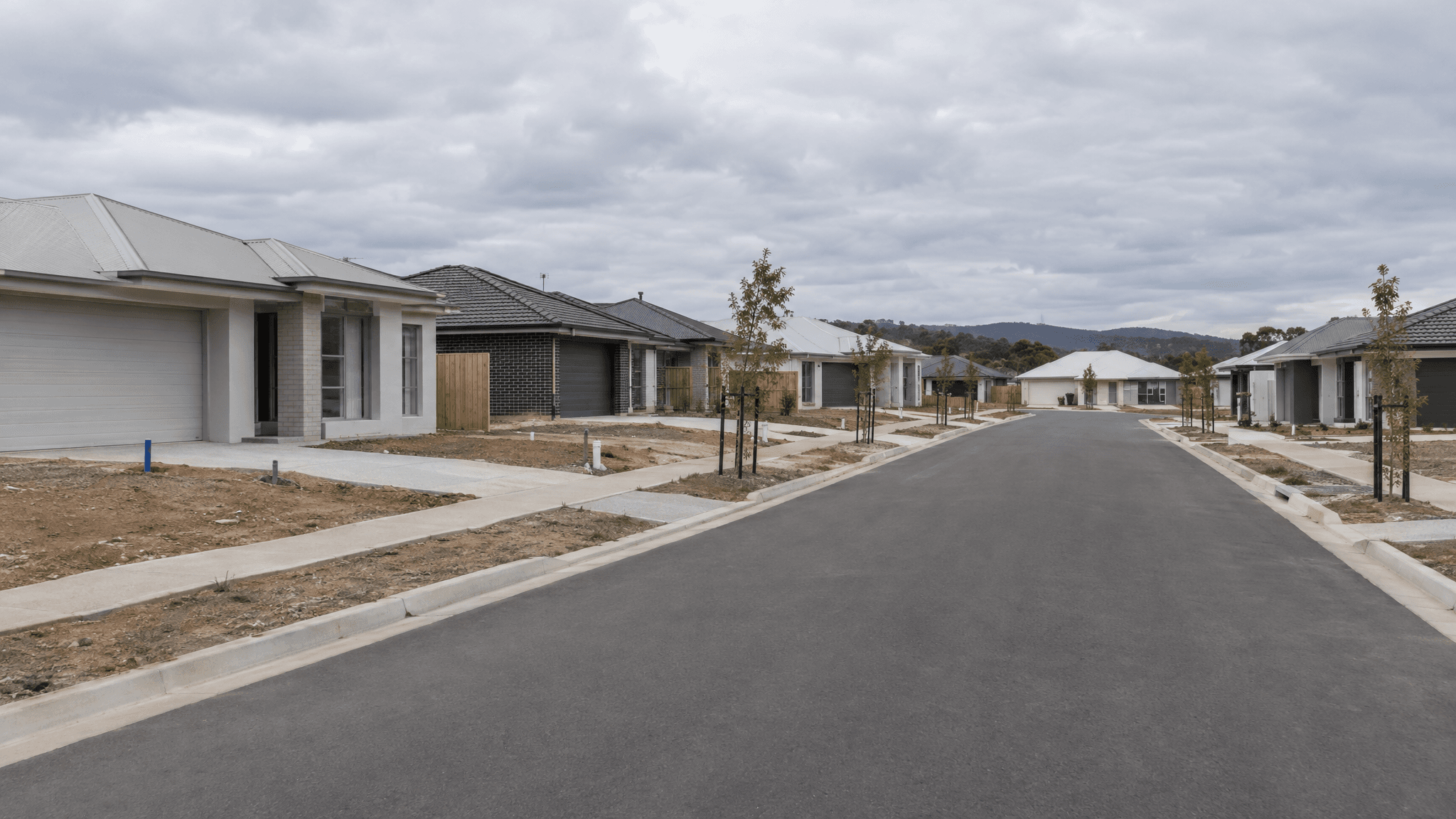
Sales of new homes fell 19.3 per cent in October, extending a downturn that is likely to reduce the number of detached houses entering construction during 2027.
The Housing Industry Association said sales declined in all five mainland states covered by its monthly survey of major volume builders. The October result left national sales almost 30 per cent below their level a year earlier.
The fall matters beyond builders and developers because a new-home sale generally occurs well before construction starts. A sustained reduction in contracts today therefore feeds into a weaker pipeline of site works, trade employment and completed housing later.
Weakness has spread across the states
Over the three months to October, Queensland recorded the largest fall in sales at 36.8 per cent, according to reporting based on the HIA survey. New South Wales was down 24.5 per cent and Victoria fell 16.1 per cent.
Western Australia was the only surveyed state to avoid a quarterly decline, recording a marginal 0.3 per cent increase.
The national market had already been losing momentum before October. HIA data released in October showed sales fell 17.5 per cent during the September quarter and had returned to their lowest quarterly level in 18 months.
The latest monthly decline indicates that September’s small improvement was temporary rather than the start of a recovery.
Why buyers are stepping back
HIA chief economist Tim Reardon attributed the weakness to the combination of falling established-home prices and the high cost of delivering a new house.
That combination creates a difficult comparison for buyers. An existing property may now be advertised below its earlier peak, while a new build still reflects elevated labour, materials, land, approval and finance costs. Buyers who once accepted a construction premium may become less willing or able to do so when established homes are getting cheaper.
Higher mortgage rates also reduce borrowing capacity and increase the repayments attached to both land and construction loans. The HIA said it can take as long as six months for a rate increase to flow fully into new-home sales, meaning the impact of the Reserve Bank’s November increase to a 4.85 per cent cash rate is not yet captured in the October figures.
The Reserve Bank’s November Statement on Monetary Policy separately noted that HIA new-home sales had declined materially. Builders participating in the RBA’s business liaison program had also reported fewer inquiries, lower conversion rates and weaker sales.
A supply problem with a long delay
Slower sales can initially look like a demand correction, but the eventual result is fewer homes being built.
Builders generally respond to weaker orders by slowing land acquisition, delaying new stages, reducing speculative construction and competing more aggressively for the buyers who remain. Those decisions can protect businesses through a downturn, but they also reduce future supply.
The timing is particularly awkward for governments trying to lift dwelling completions. Apartments and public housing contribute to the national total, but detached houses remain a major source of new supply in outer suburban and regional growth areas.
For prospective new-home buyers, a slower market may produce incentives such as upgraded inclusions or discounts on selected lots. Any offer should still be assessed against the complete cost of the project, including site works, variations, landscaping, finance and possible rent paid during construction.
Buyers should also leave room for a lender’s valuation to differ from the contract price. Falling established values can affect the comparable sales used by valuers, even when a builder’s costs have not fallen by the same amount.
What it means for you
- New-home buyers may gain negotiating power, but should compare the total finished cost with established properties nearby.
- Check that finance approval allows for site costs, variations and a potentially conservative lender valuation.
- Sellers in new estates may face more competition from builder incentives and unsold land packages.
- The sales slump points to fewer detached homes commencing in 2027, adding another risk to Australia’s housing-supply targets.