Auction clearance slips below 50% as spring listings test buyer demand
The preliminary capital-city auction clearance rate fell to 48.4% as volumes rose. Buyers have more negotiating room, while sellers face a sharper test on reserves and price expectations.

RentBuy Team
4 min read
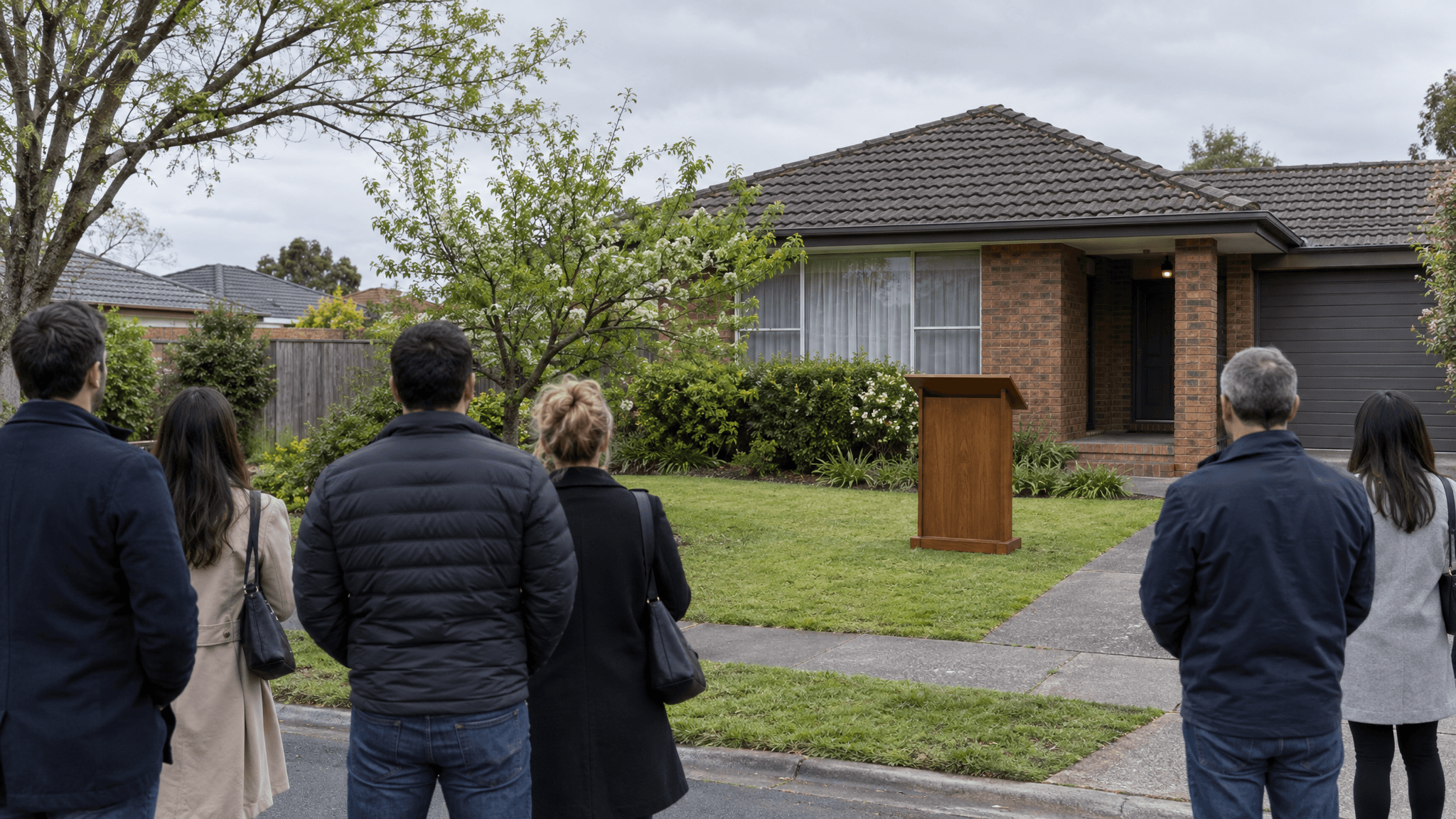
Australia’s spring auction market absorbed a larger weekend of listings, but the extra choice did not produce stronger selling conditions.
Cotality’s preliminary results for the week ending Sunday 25 October put the combined capital-city clearance rate at 48.4%, down from 51.2% a week earlier. There were 1,882 auctions across the capitals, an increase of about 32% from the previous weekend’s 1,423.
Of the 1,361 results collected for the preliminary count, 669 auctions were successful and 692 were unsuccessful. The result means fewer than half of reported auctions produced a sale, despite vendors bringing substantially more homes to market.
The figures are preliminary and will be revised as outstanding results are collected. Different data providers also use different reporting periods and calculation methods, so their published clearance rates may not match exactly. The broad direction, however, is clear: buyers are remaining selective as more properties compete for attention.
Sydney loses momentum
Sydney recorded a preliminary clearance rate of 48.2% across 631 auctions, down from 54.6% the previous week. It was the city’s lowest early result since July.
A clearance rate around this level does not mean every property can be bought at a discount. Well-located or tightly held homes can still attract several bidders. It does indicate that more campaigns are ending in a pass-in, withdrawal or unsuccessful result, giving prepared buyers opportunities to negotiate after auction.
The result also increases the importance of comparable sales. Buyers should separate the occasional competitive auction from the broader market and avoid treating one crowded inspection as proof that prices have stabilised.
Melbourne handles the bigger auction book
Melbourne was the largest auction market, with 831 homes taken to auction and a preliminary clearance rate of 54.8%. The city’s rate was down from 56.2% a week earlier, although it remained the strongest result among the major capitals.
The jump in activity partly reflected vendors scheduling campaigns before the Melbourne Cup period. It was also the second weekend under Victoria’s auction reserve disclosure requirements.
A separate REA Group snapshot published on Sunday recorded 376 reported Victorian auction results by Saturday night. It counted 120 sales under the hammer, 113 before auction and three after, as well as 106 withdrawals. Because the REA and Cotality collections differ, the numbers should not be compared directly, but both show that a substantial share of transactions occurred before auction or did not proceed under the hammer.
For sellers, this reinforces the value of assessing serious pre-auction offers on their merits. Passing up a reasonable offer in the expectation of stronger competition can be costly when buyer numbers are thin.
Brisbane remains the weakest major auction market
Brisbane’s preliminary clearance rate was 25.2% across 200 auctions. Only 31 of the 123 results collected at the time of reporting were successful.
Adelaide improved to 42.5% across 141 auctions, while Canberra recorded 52.1% from 60. Perth had only 19 auctions, making its 50% preliminary rate less useful as a broad measure of that city’s market.
Auctions represent only part of the housing market, particularly outside Sydney and Melbourne. Even so, repeated weak clearance results can influence private-treaty campaigns by giving buyers confidence to negotiate and encouraging vendors to set prices closer to recent sales.
Price expectations are now critical
Clearance rates below 50% usually point to a mismatch between what buyers can or will pay and the prices sellers hope to achieve. Higher mortgage costs have reduced borrowing capacity, while many owners remain influenced by stronger sales from earlier market conditions.
Sellers do not necessarily need to accept the first offer. They do need a campaign strategy that accounts for current competition, recent comparable sales and the risk of spending additional weeks on the market.
Buyers should have finance approval, contract advice and building checks organised before bidding. A softer market creates negotiating opportunities, but it does not remove the risks attached to unconditional auction purchases.
What it means for you
- Buyers may have more scope to negotiate after pass-ins, particularly where a property has limited bidder competition.
- Sellers should set reserves using recent comparable sales rather than prices achieved near the market peak.
- Auction results are preliminary and method-dependent, so use them as one market signal rather than a valuation for an individual home.