Half of young Australians live with parents as housing pathways narrow
New HILDA findings show half of 18-to-29-year-olds live with their parents, while separate research suggests rate rises can delay home ownership for years.

RentBuy Team
5 min read
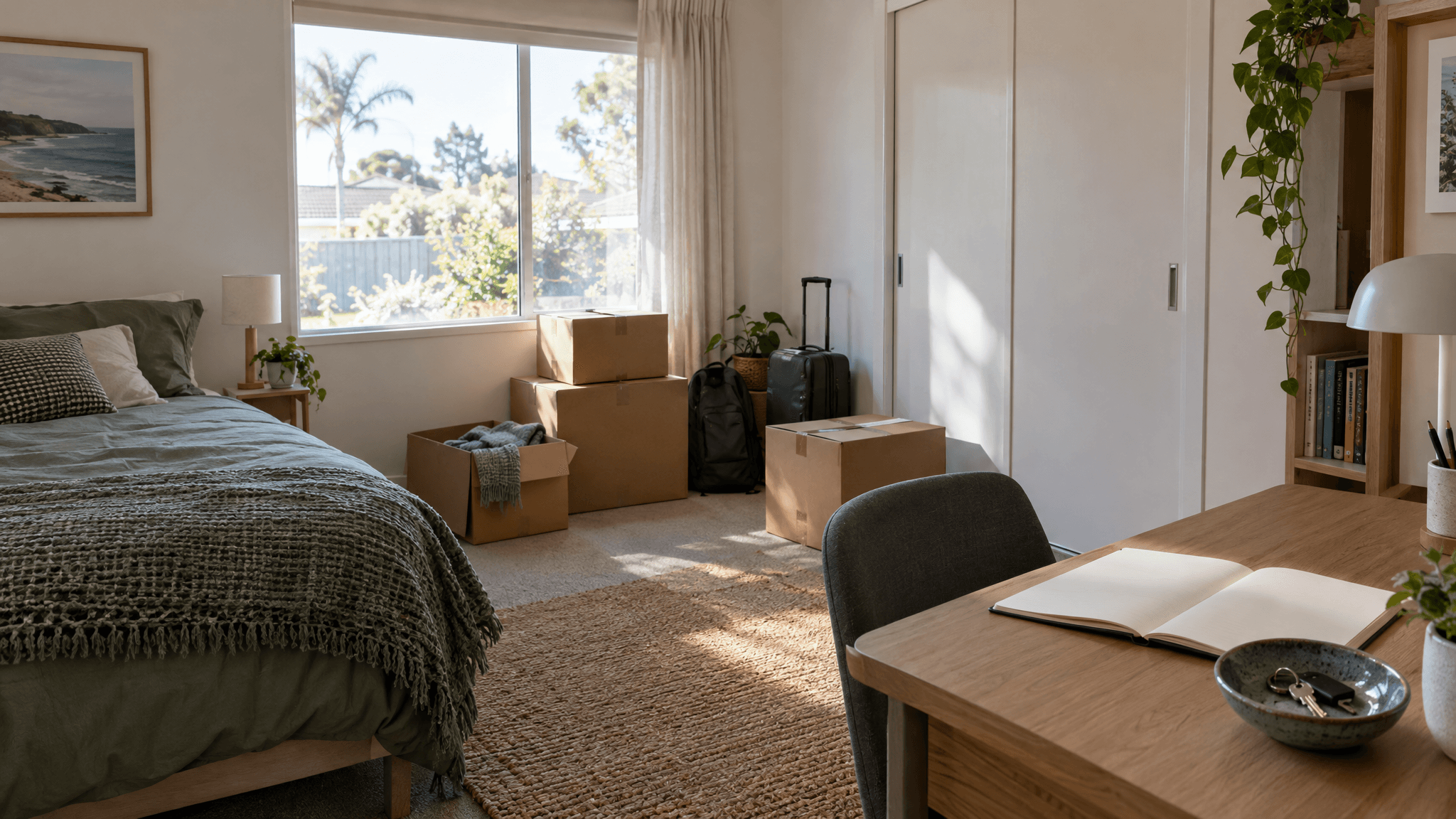
Half of young Australian adults were living with their parents in 2024, new long-term survey data shows, as expensive rents and tighter mortgage access make leaving home increasingly difficult.
The 2026 Household, Income and Labour Dynamics in Australia report found 50 per cent of people aged 18 to 29 lived with their parents, compared with 39 per cent in 2001. The report follows the lives of more than 17,000 Australians and draws its latest findings from data collected in 2024.
The result does not mean every young adult living at home is unable to leave. Family preferences, study, caring responsibilities and cultural factors all influence household choices. However, the broader housing data points to financial pressure playing an increasingly important role.
Two-thirds of young adults who had left the family home were private renters, according to the report. That group reported less satisfaction and more inadequate housing than young people who remained with their parents or had entered home ownership.
Housing stress among young private renters in mainland capital cities reached 25.3 per cent in 2024, up from 17.6 per cent in 2001. Housing stress generally describes lower-income households spending a large share of income on housing costs.
Home ownership is becoming more selective
The HILDA results show a different pattern among young mortgage holders. Their rate of housing stress remained within a relatively narrow range, rising from 8.6 per cent in 2001 to 9.9 per cent in 2024 despite the substantial increase in housing costs over that period.
The report’s authors said this suggested entry into home ownership had become increasingly restricted to young people with stronger earnings, substantial savings or access to family wealth.
In other words, the relatively stable stress rate among young owners should not necessarily be read as evidence that buying has remained manageable. It may instead show that many people without a strong financial buffer are no longer making it through the front door.
That selection effect matters for first-home buyers. Saving a deposit is only one hurdle: applicants must also pass lender serviceability tests, cover purchasing costs and demonstrate that they can repay a loan at rates above the product’s advertised rate.
Rate rises can leave a long shadow
Separate University of Sydney research discussed by ABC’s The Business on Thursday examined how monetary policy affects home ownership in Australia, where variable-rate mortgages and serviceability-based lending limits are common.
Economists James Graham and Avish Sharma developed a life-cycle model to examine the effect of a contractionary monetary policy shock. Their research found the resulting reduction in home ownership could last for more than a decade, with the welfare costs concentrated among potential buyers.
Higher interest rates can reduce borrowing capacity immediately because banks assess how much a household can safely repay. Home prices may eventually fall in response to weaker demand, but that does not guarantee improved access if the reduction in borrowing capacity is larger or occurs sooner.
Delayed ownership can also have cumulative effects. A household that remains in the rental market for longer may face rising rents while trying to save, miss years of mortgage principal repayments and have less time to clear housing debt before retirement.
The findings do not mean buyers should rush into a purchase before rates change. Interest costs, employment security and the suitability of a property remain more important than trying to predict the next Reserve Bank decision.
They do, however, show why lower advertised prices do not automatically translate into an easier market for first-home buyers. The cost and availability of credit can be just as important as the price negotiated with a vendor.
A growing role for family support
Together, the two pieces of research highlight an increasingly divided transition into independent housing.
Young adults with room to remain in a secure family home may be able to reduce expenses and build a deposit. Those who must rent independently can face a much steeper savings task, particularly in capital cities where the HILDA report found renter stress was highest.
Family assistance can also extend beyond providing somewhere to live. Gifts, guarantees and loans from parents may help some buyers overcome deposit or serviceability barriers, but they can reinforce differences between households that have property wealth and those that do not.
For renters planning to buy, the practical focus should therefore be on factors they can test rather than a single target price: repayments at several interest rates, the amount left after essential expenses, likely ownership costs and whether their deposit still leaves an emergency buffer.
What it means for you
- Renters should base a buying budget on total repayments and ownership costs, not the maximum a lender offers.
- Living with family can accelerate saving, but buyers should still retain cash for emergencies and settlement expenses.
- Falling property prices may not improve affordability if interest rates reduce borrowing capacity faster.
- Parents providing guarantees or loans should obtain independent legal and financial advice before committing.