Tasmania moves housing delivery into new government agency from July 2027
Homes Tasmania will be wound up and its functions transferred to Building Tasmania, which will take responsibility for more than 13,700 social homes and the state’s 2032 delivery target.

RentBuy Team
4 min read
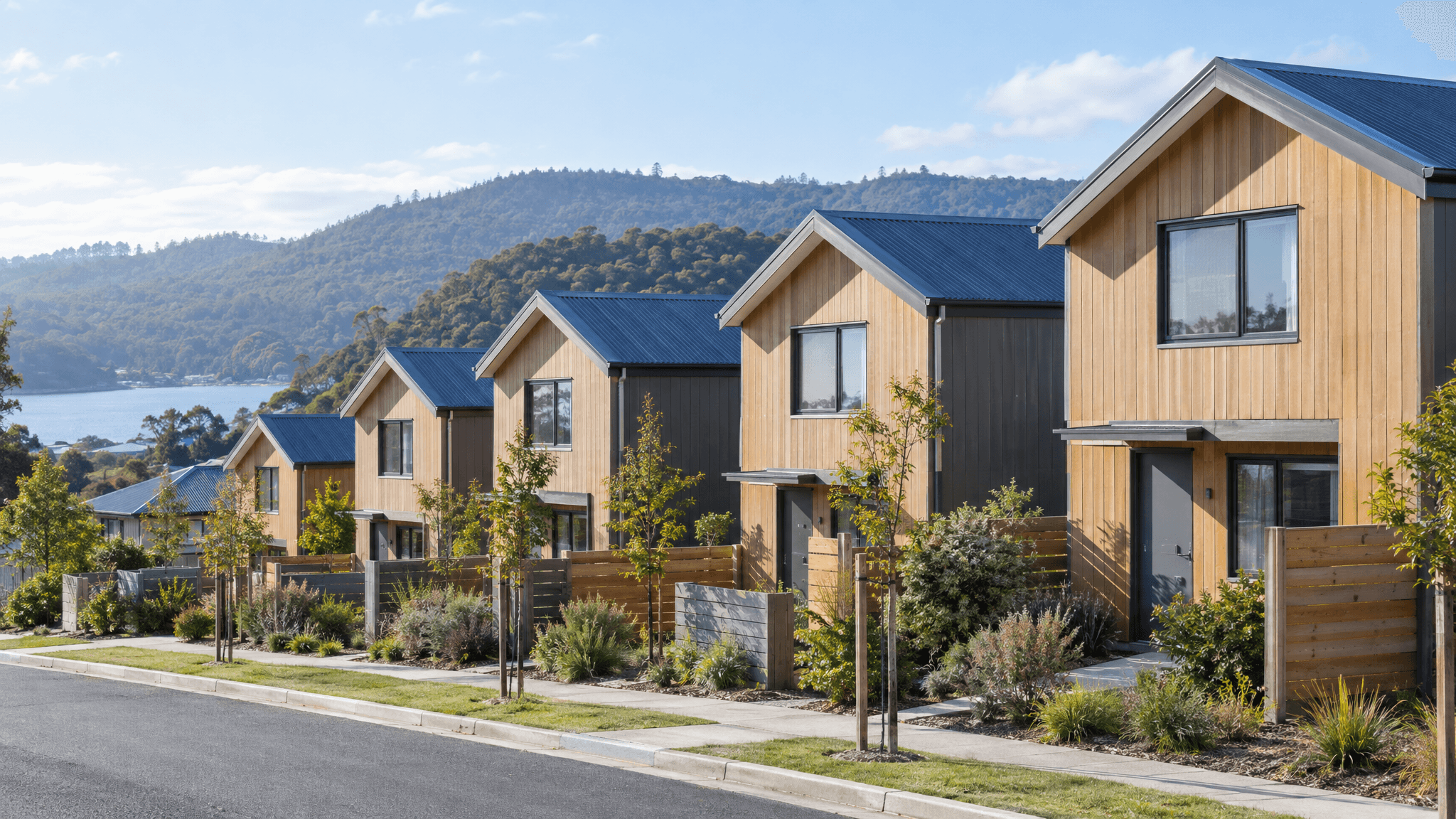
Tasmania will return its housing functions to direct government management from July 2027 after parliament passed legislation to wind up Homes Tasmania as a standalone statutory authority.
Under the Tasmanian Homes and Housing Bill 2026, the authority’s responsibilities will transfer to Building Tasmania, a government agency with a broader infrastructure and delivery role. The change covers social housing ownership and management, homelessness programs, housing assistance and the development of new homes and land.
For tenants and applicants, the government’s stated intention is continuity rather than a change to eligibility or tenancy conditions. The larger question is whether the new structure improves the pace, transparency and coordination of housing delivery.
More than 13,700 homes will transfer
The Tasmanian Government said Building Tasmania would take ownership of more than 13,700 social housing dwellings and directly manage about 5,000 social housing households.
It will also oversee the commitment to deliver an additional 10,000 social and affordable homes by 2032. Housing providers, homelessness services and shared-equity or assistance programs will therefore be dealing with a different lead agency from July 1, 2027.
Staff working within Homes Tasmania are expected to transfer into the new arrangements. The government said services for tenants, housing applicants and providers would continue during the transition.
That continuity will be important because administrative restructures can create uncertainty even when tenancy law and assistance settings do not change. Applicants should keep records of applications, correspondence and reference numbers as the transfer approaches, while existing tenants should continue using current contact and maintenance channels until official advice says otherwise.
Why the structure is changing
Homes Tasmania began operating in 2022 as an arm’s-length authority intended to accelerate housing delivery. Earlier in 2026, Premier Jeremy Rockliff acknowledged it had not achieved the results the government wanted and announced that it would be restructured.
The authority had also faced scrutiny over governance, financial systems and how progress towards the 10,000-home target was counted. The target has included several forms of housing assistance and supply, rather than only newly constructed government-owned dwellings, making it important to distinguish between homes built, homes purchased, lots released and households supported through other programs.
Moving the functions into Building Tasmania gives ministers and central government more direct responsibility for delivery. It may also make it easier to coordinate housing projects with roads, utilities, land release and other infrastructure.
A new organisational chart, however, does not automatically increase the construction workforce, make projects cheaper or shorten planning and procurement timelines. Performance will ultimately be judged by completed, occupied homes, maintenance outcomes and waiting times.
Housing remains recognised as a right
The government said the legislation maintains the recognition of housing as a human right. Building Tasmania’s functions will extend from crisis and transitional accommodation to long-term social housing, affordable housing and pathways towards ownership.
The legislation provides the machinery for transferring assets, rights, liabilities and responsibilities from Homes Tasmania to the Crown and the new agency. It also establishes a category of housing Crown land to support the continued management and development of the portfolio.
Further consultation on a second stage of housing policy and legislative reform is planned for the first half of 2027. That process is expected to involve community housing organisations, homelessness services, industry bodies and other stakeholders.
For renters and buyers in the wider Tasmanian market, the restructure will matter only if it produces more social and affordable homes. A stronger public and community housing system can reduce pressure at the lowest-cost end of the private rental market, but that effect depends on sustained additions to supply rather than transfers between agencies.
What it means for you
- Homes Tasmania continues operating until the transfer on July 1, 2027.
- Existing tenants and applicants should wait for formal advice before changing how they contact housing services.
- The key measure of success will be completed and occupied homes, not the administrative transfer itself.
- Community housing providers and builders should watch the 2027 consultation for changes to funding, procurement and delivery arrangements.