Four- to six-storey housing controls take effect along Monash boulevards
New planning controls allow taller, denser housing along parts of Dandenong and Springvale roads while setting requirements for setbacks, landscaping and design.

RentBuy Team
4 min read
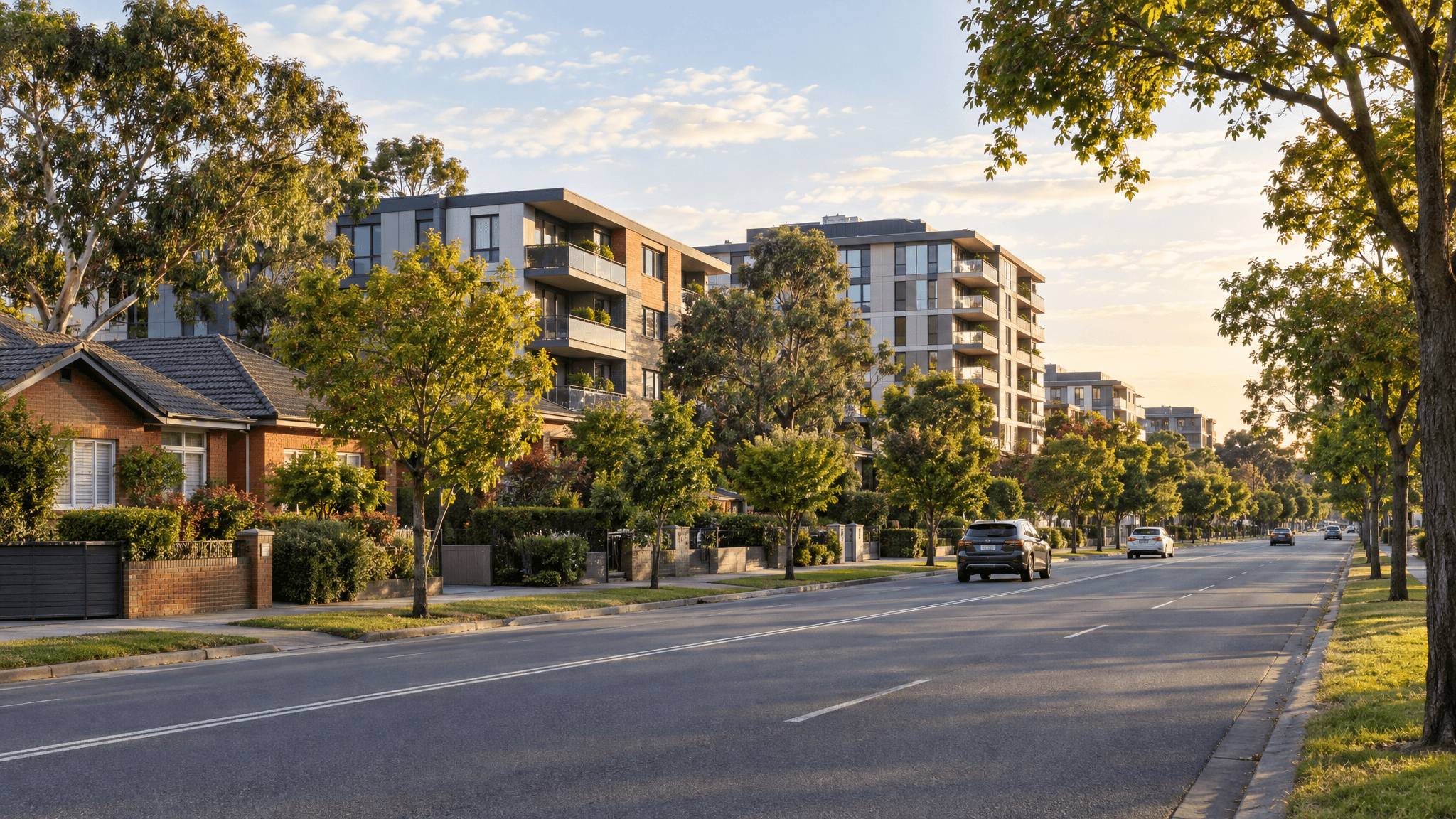
New planning controls allowing medium-density housing along sections of Dandenong Road and Springvale Road in Melbourne’s south-east took effect on Thursday, completing a planning process that began several years ago.
Amendment C172mona was published in the Victoria Government Gazette on November 26. It changes zoning and design controls for residential land along the two major roads in the City of Monash, with the aim of directing more housing towards established transport and service corridors.
The amendment does not approve individual apartment projects or require existing homes to be redeveloped. It changes what may be proposed on affected land, subject to planning applications, site constraints and the detailed requirements of the Monash Planning Scheme.
What can now be built
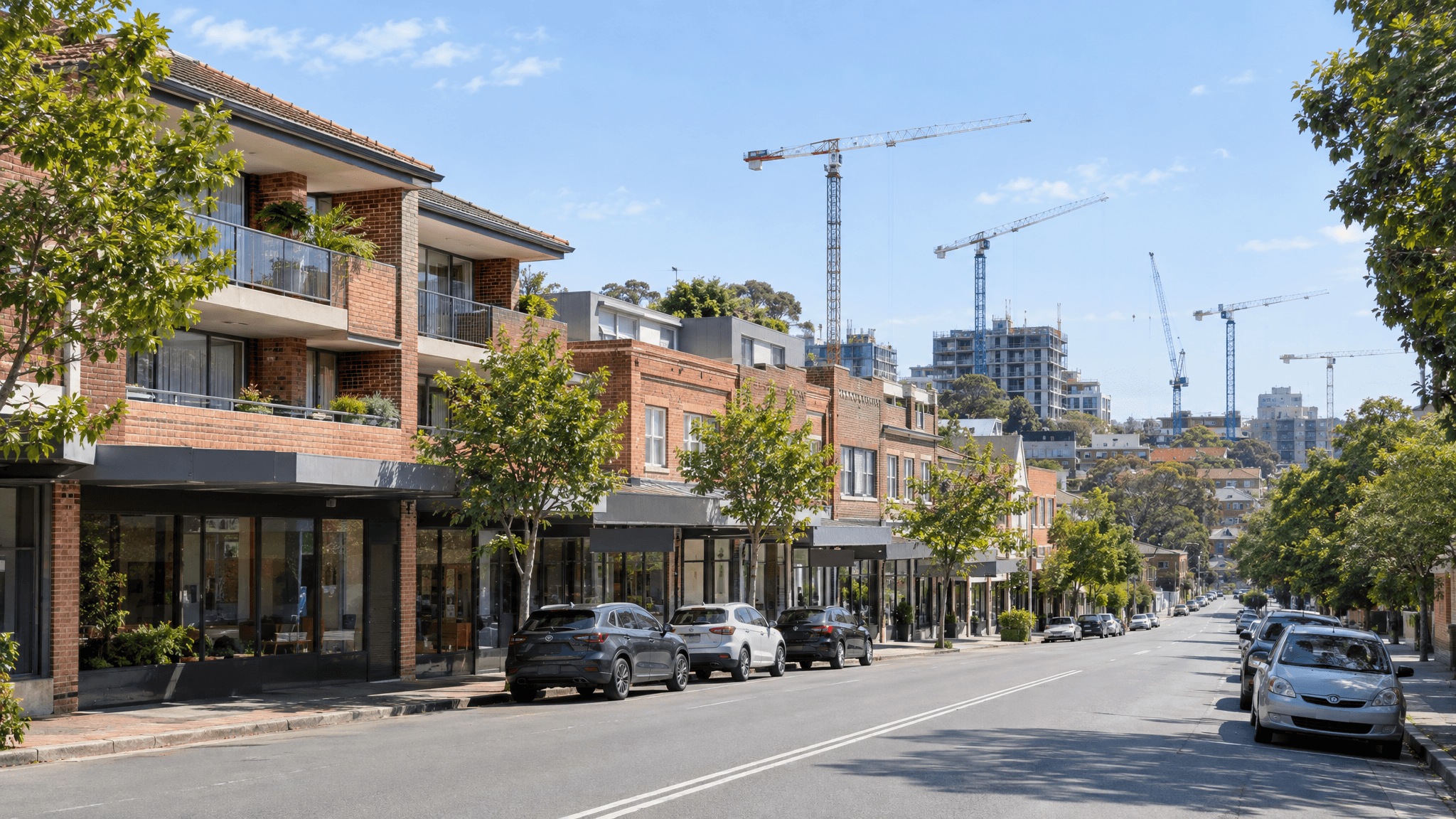
The City of Monash says most affected residential land has controls supporting buildings of up to four storeys, with a mandatory maximum height of 13.5 metres.
Selected sites considered better located near activity centres or important intersections have controls allowing up to six storeys, or 21 metres. A large site at 2277 Dandenong Road in Mulgrave has been moved to a mixed-use zone, with a preferred height of eight storeys or 27 metres.
The amendment also applies design and development overlays dealing with matters such as building setbacks, upper-level design, landscaping, fencing, vehicle access and the treatment of interfaces with neighbouring properties.
The state Planning Minister approved the amendment with changes on October 2 before its November 26 gazettal. According to the council’s consultation page, the final version reduced the proposed boulevard setback from 7.6 metres to six metres and changed the residential zone used for the four-storey areas to align with Victoria’s newer mid-rise assessment provisions. The 13.5-metre height limit was retained.
Not every section of the roads is included
Several areas were removed because they are being considered through separate state planning programs.
Residential land on Dandenong Road between Poath Road and Warrigal Road was excluded due to work on the Chadstone activity centre. Sections near the proposed Clayton, Monash and Glen Waverley Suburban Rail Loop precincts were also excluded because separate precinct planning is underway.
As a result, property owners need to check the planning map for their individual lot rather than assuming every address on Dandenong or Springvale roads has received the same development potential.
What changes for owners and buyers
The new controls may make some larger or adjoining properties more attractive to developers, particularly where multiple lots can be combined into a practical development site. However, extra permitted height does not guarantee that redevelopment will be financially viable or approved.
Lot width, access, trees, easements, slope, neighbouring buildings and the cost of meeting design standards can all affect a site’s value to a developer. A single narrow block may have limited redevelopment prospects even where the zone permits four or six storeys.
Owners considering a sale should be cautious about relying on broad claims that rezoning has automatically produced a large windfall. A planning or valuation assessment can establish what the controls mean for the particular property and whether land assembly with neighbours is realistic.
Buyers intending to occupy an existing home should also consider the future character of the corridor. The amendment creates the potential for more construction and taller neighbouring buildings over time, although change is likely to occur gradually as sites are acquired and projects become viable.
For prospective apartment buyers, the policy should eventually broaden the range of homes available in established suburbs close to employment, shops and transport. Actual supply will depend on developers obtaining approvals and being able to fund construction in a difficult building market.
What it means for you
- Check the official planning map and zone schedule for the property, not just its street name.
- Sellers should obtain independent planning and valuation advice before accepting a developer approach.
- Buyers of existing homes should investigate the development controls applying to neighbouring lots.
- Rezoning creates development potential, but it does not guarantee construction or a higher sale price.