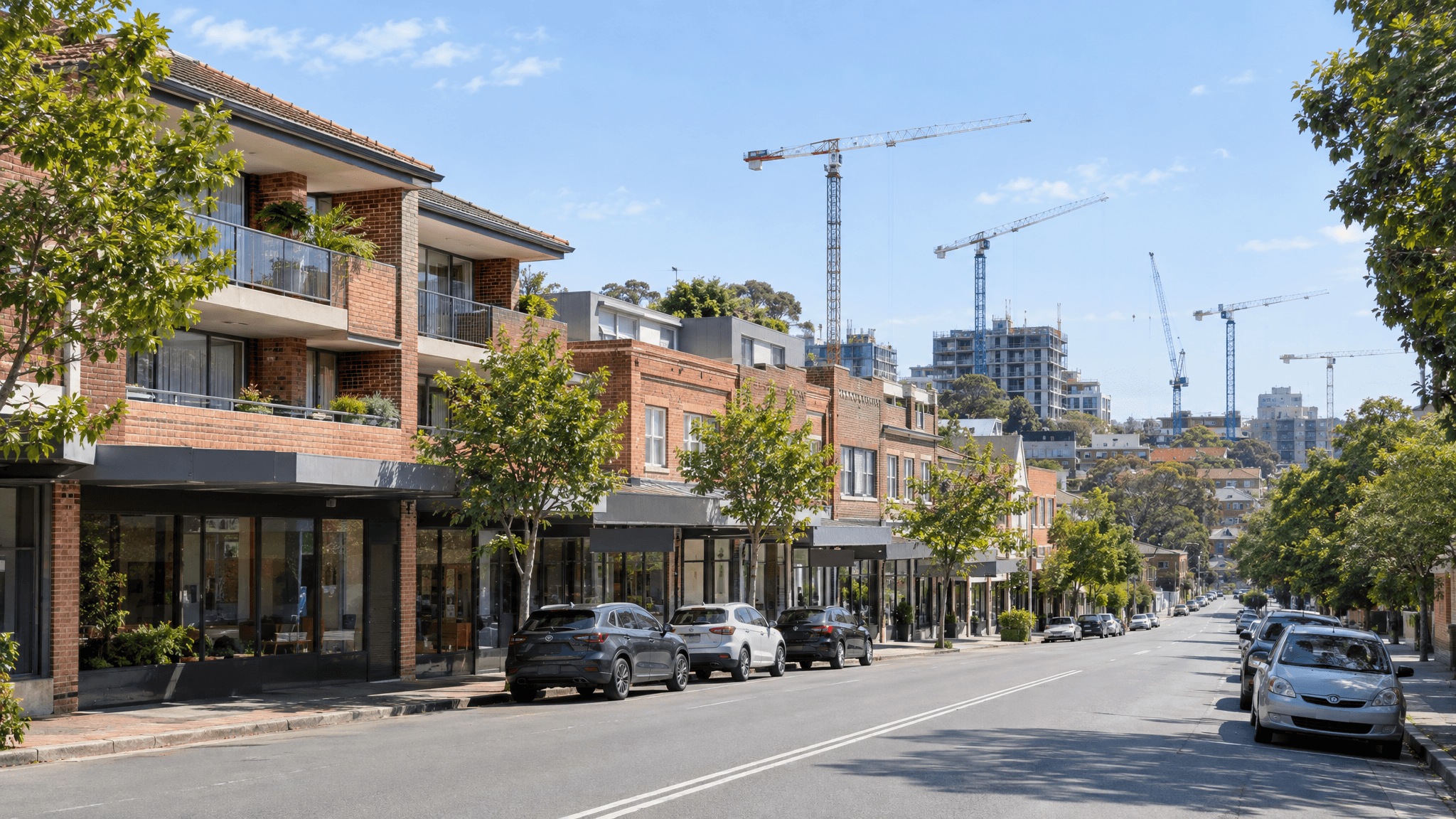
New-home prices rise 5.1% as housing becomes the largest driver of inflation
Higher labour and material costs are flowing into new-home prices, while stronger inflation keeps financing pressure on buyers, builders and housing projects.

RentBuy Team
4 min read
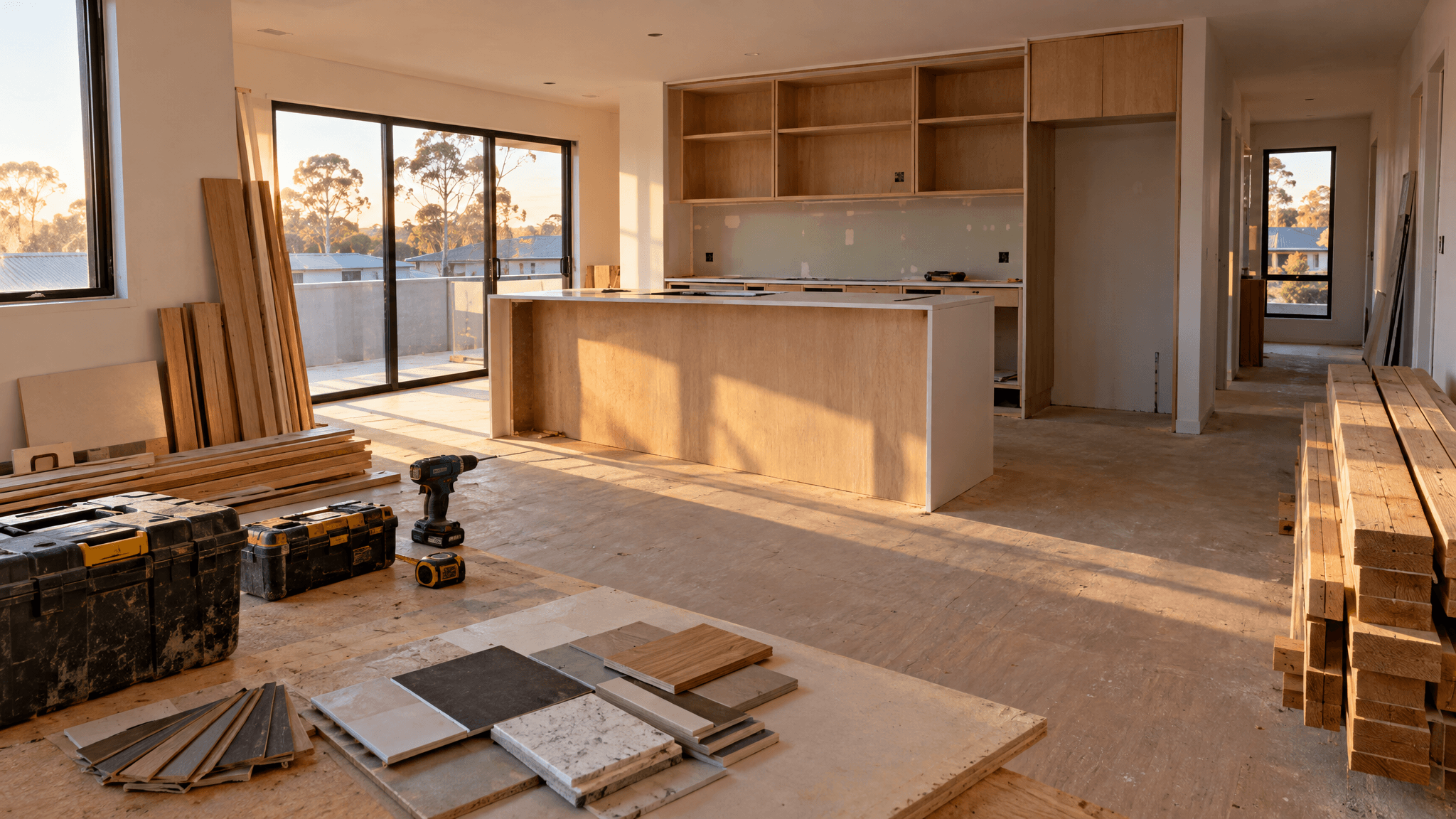
The cost of buying a newly built home increased at a faster annual rate in October, adding another obstacle to improving Australia’s housing supply and affordability.
Australian Bureau of Statistics figures released on Wednesday 25 November showed new dwelling prices rose 5.1 per cent over the year to October, accelerating from 4.7 per cent in September. The ABS attributed the increase to builders passing on higher material and labour costs.
New dwellings helped make housing the largest contributor to annual inflation. The broader housing category rose 6.4 per cent, while the overall Consumer Price Index climbed 4.9 per cent over the year, up from 4.3 per cent in September.
The result matters to property consumers in two ways: construction is becoming more expensive even as established home values fall, and persistent inflation can keep mortgage rates higher for longer.
New and established homes are moving differently
The CPI does not measure changes in the resale value of established homes. Its new dwelling component tracks prices paid by owner-occupiers for newly constructed homes, excluding land and after applicable grants or concessions.
It is therefore possible for established property prices to decline while the price of delivering a new home rises. Existing homes are being affected by weaker borrowing capacity and buyer demand, while new homes remain exposed to wages, materials, subcontractor charges, insurance and compliance costs.
This divergence can make new projects harder to deliver. If construction expenses rise while the expected sale value of completed homes falls, the financial margin available to a developer or builder narrows. Some projects may require redesign, higher buyer deposits, more pre-sales or a delay until conditions improve.
For an individual building a house, a rising index does not mean every contract will increase by exactly 5.1 per cent. The effect depends on the contract terms, build type, location, inclusions and whether the price is fixed. Buyers should still check escalation clauses, provisional sums and allowances for site works before signing.
Electricity amplified the housing result
Electricity prices rose 25.2 per cent over the year to October, up from 12.8 per cent in September. The ABS said the annual comparison reflected Commonwealth rebates that reduced household bills a year earlier but were no longer operating in the same way.
That base effect means the 6.4 per cent housing inflation figure should not be read as a direct measure of rent or mortgage growth. Nevertheless, the separate rise in new dwelling prices indicates that construction cost pressure is real rather than solely an electricity-bill effect.
Underlying inflation also strengthened. The trimmed mean rose from 3.6 per cent to 3.8 per cent, remaining above the Reserve Bank’s 2 to 3 per cent target range.
The Housing Industry Association said elevated inflation increased the risk of further constraints on housing construction in 2027 and 2028. It argued that high financing and delivery costs were discouraging households and investors from committing to new homes, potentially weakening the pipeline once projects sold earlier in the cycle are completed.
The Reserve Bank’s final monetary policy meeting for 2026 concludes on 8 December. One inflation release does not determine the decision, but a stronger-than-expected result gives the board less room to ease financial conditions and leaves the risk of another increase in play.
For buyers, this makes it important to stress-test both the purchase price and the cost of finance. A discount negotiated with a builder can be outweighed if the mortgage rate or loan amount rises before settlement.
What it means for you
- New-home buyers should examine fixed-price protections, variation clauses and site-cost allowances carefully.
- Borrowers should test repayments above their lender’s current advertised rate rather than assuming rates have peaked.
- Buyers comparing new and established homes should include maintenance, energy efficiency and incentives as well as the purchase price.
- Sellers and developers face a difficult combination of weaker established values and rising replacement costs.