River Murray homeowners wait years for flood repairs as trade shortages bite
Some homes damaged in the 2022 River Murray flood remain unfinished as scarce trades and sharply higher rebuilding costs complicate regional recovery.

RentBuy Team
4 min read
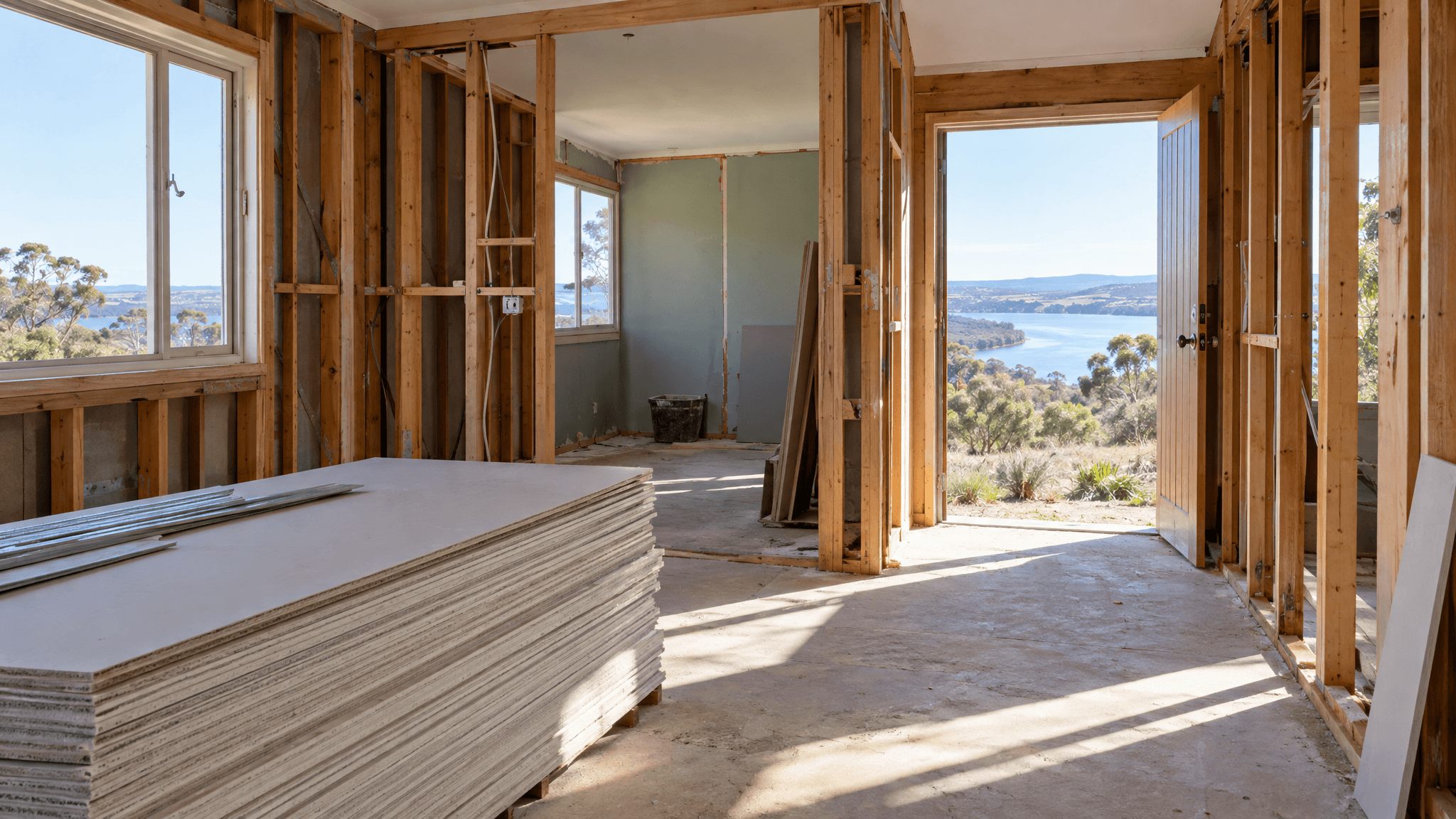
Some South Australian homeowners are still waiting for flood repairs almost four years after the 2022 River Murray disaster, showing how labour shortages and rising building costs can extend a housing emergency long after the water recedes.
ABC News reported on Monday that affected residents around Morgan and other River Murray communities have struggled to obtain reliable trades, complete insurance-funded work and restore homes damaged during the 2022–23 flood.
The delays matter beyond the individual properties. Unfinished homes reduce the usable housing stock of regional towns, extend demand for temporary accommodation and leave households exposed to cost increases that may not have been anticipated when an insurance payout or rebuilding budget was agreed.
A payout does not end the rebuilding risk
One Morgan family told the ABC it accepted a cash settlement after becoming frustrated with delays in obtaining a tradesperson through its insurer. The family then faced the task of finding and coordinating workers itself.
After years of calls and attempted bookings, part of the home remained unfinished. The experience illustrates the additional risk a homeowner takes when accepting a cash settlement: responsibility for sourcing labour, controlling costs and completing the project generally shifts to the policyholder.
A cash settlement can offer flexibility, particularly where an owner wants to use a preferred builder or redesign the home. But it can also leave a funding gap if quotes rise, hidden damage appears or suitable trades are unavailable.
Owners considering that option should understand whether the proposed amount includes demolition, debris removal, professional fees, code upgrades, temporary accommodation and expected increases in labour and material costs. Independent building and financial advice may be appropriate before accepting a final settlement.
Costs have moved since the flood
The Insurance Council of Australia told the ABC that the cost of building a new home in South Australia had risen by almost 40 per cent since 2021.
Nationally, average home-building costs had increased by 30 per cent over five years, compared with inflation of 24 per cent. Roof tiles were cited as one particularly sharp example, rising 77 per cent over that period.
These increases can create underinsurance problems. A sum insured that appeared adequate when a policy was purchased may not cover demolition and complete reconstruction after several years of construction inflation.
Homeowners should review rebuilding estimates rather than simply rolling over last year’s insured amount. The value required to reconstruct a dwelling is different from its sale price because land value is generally excluded while demolition, access, professional services and compliance work must be included.
Regional areas face a deeper labour constraint
Master Builders Australia estimates a national skilled-worker shortage of 141,000 people. A South Australian Government spokesperson said the state would require about 20,000 workers over the next five years to meet housing and major-project demand.
Regional rebuilding competes for those workers with metropolitan housing, infrastructure and commercial construction. Smaller jobs in distant locations can also involve travel and accommodation costs, making them more difficult to schedule economically.
The state and federal governments have committed $11 million over two years to assist with travel expenses for rural and regional apprentices. The measure is expected to support another 400 apprentices and trainees, alongside technical college and TAFE investments.
Those programs may improve the long-term workforce, but they cannot quickly replace experienced builders, electricians, plumbers and other trades required for current reconstruction.
Implications for regional property transactions
Buyers in flood-affected communities need to establish whether repairs were completed under an insurance claim, a cash settlement or private arrangements. Building inspections should examine moisture damage, electrical work, structural elements and any changes made to improve flood resilience.
Sellers should retain insurance correspondence, invoices, approvals, warranties and photographs documenting the work. Clear records can help a buyer, conveyancer, building inspector and future insurer understand what was damaged and how it was repaired.
A property may be habitable while still carrying incomplete or non-compliant work. Buyers should avoid assuming that the passage of several years means every claim and reconstruction project has been resolved.
What it means for you
- Review home insurance against current rebuilding costs, not the property’s market value.
- Before accepting a cash settlement, price the full scope of work and the risk of further construction inflation.
- Buyers in disaster-affected areas should request repair, approval and insurance records.
- Regional rebuilding can take substantially longer where specialised trades are scarce.