Removal homes gain appeal as new-build costs keep climbing
More buyers are considering second-hand houses that can be relocated to another block, but transport, approvals, code upgrades and finance can substantially change the final cost.

RentBuy Team
4 min read
Rising construction costs are prompting more prospective owners to consider buying an existing house and moving it to another block rather than commissioning a conventional new build.
ABC News reported on Friday that interest in second-hand removal homes has grown as buyers search for cheaper and more immediate alternatives. One Brisbane removal-home specialist said enquiries had doubled since 2020 and that his business was now relocating more than 200 houses a year.
Operators cited in the report said a suitable house could cost about $120,000 to $150,000, while a larger four or five-bedroom property could reach $250,000. Those figures should not be confused with the finished cost of a home ready for occupation: the block, transport, foundations, connections, approvals and upgrades must still be included.
The renewed interest comes after a prolonged rise in the cost of conventional construction. Australian Bureau of Statistics data cited by the ABC showed input costs for house construction had increased 30.3 per cent over five years.
The ABS’s September-quarter Producer Price Indexes also showed that house-construction input prices rose another 1 per cent during the quarter and 3.9 per cent over the year. Prices charged for completed house construction were 5.7 per cent higher than a year earlier, including annual increases of 7.8 per cent in Queensland and Western Australia.
How removal homes work
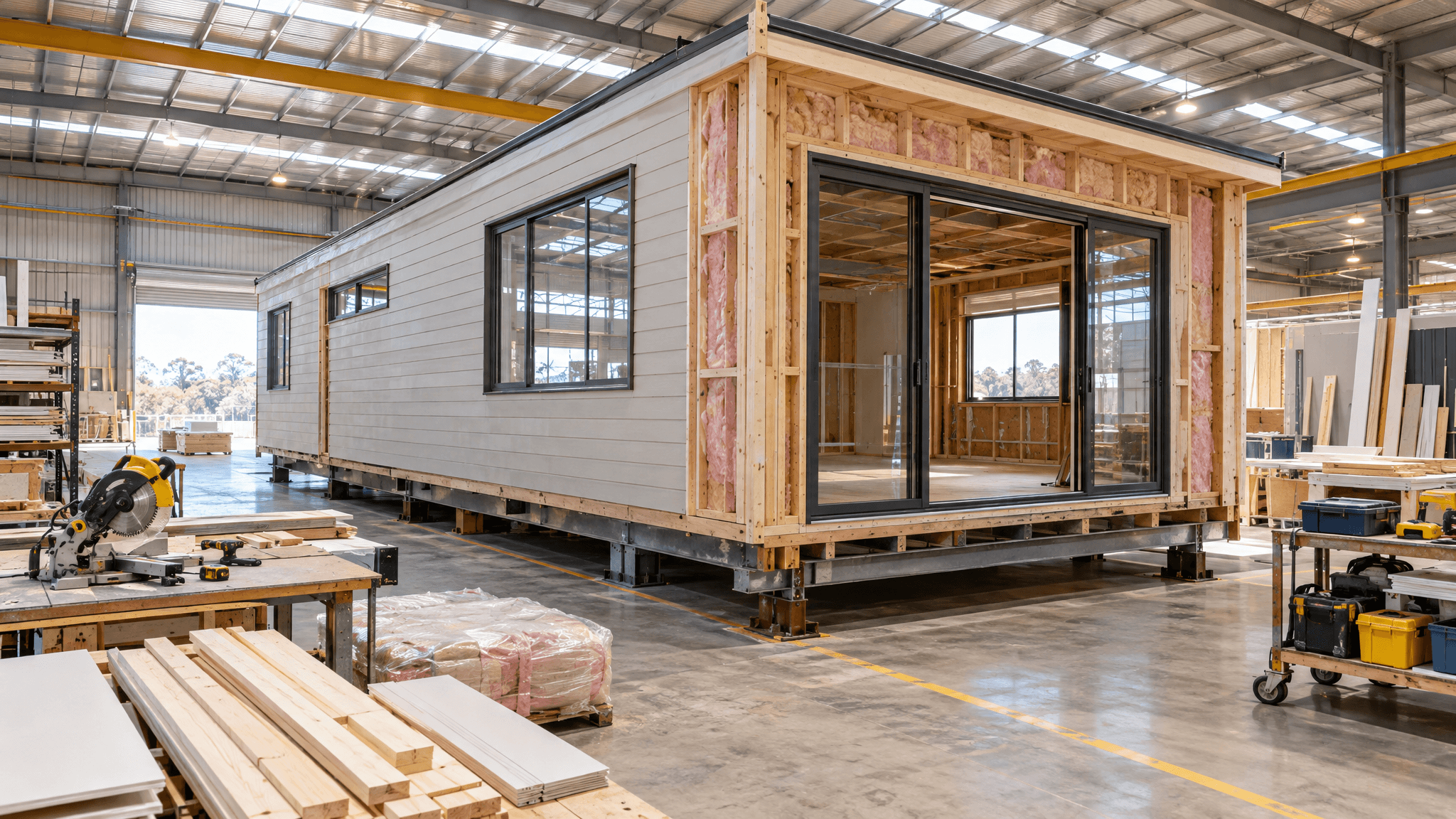
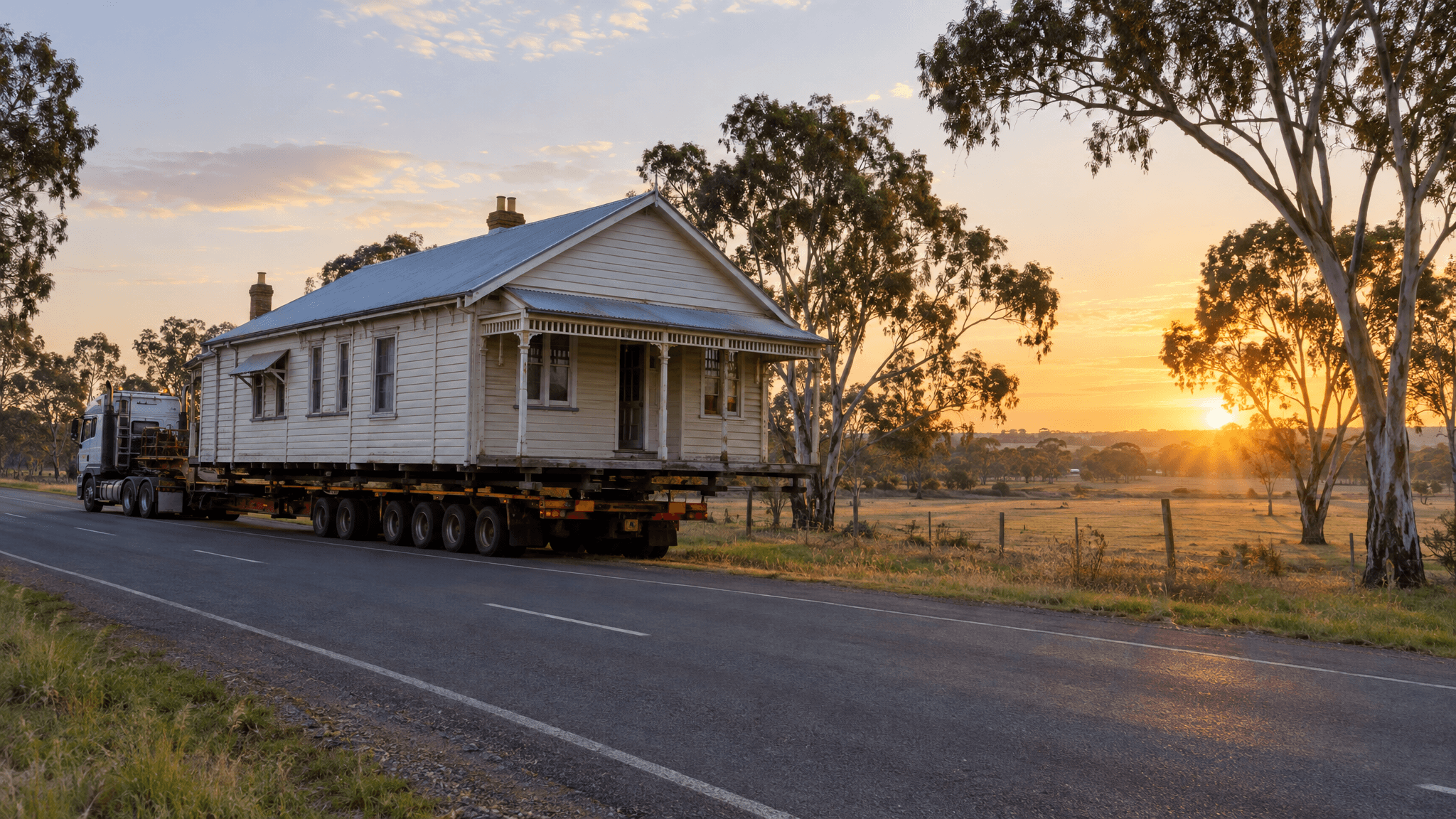
A removal home is generally an existing timber-framed dwelling purchased for relocation. It is separated into transportable sections, loaded onto specialised vehicles and taken to a prepared site, where it is placed on new supports and reconnected.
The attraction is straightforward. Buyers can inspect a completed building rather than relying entirely on plans, and much of the structure, flooring, windows, kitchen and bathroom may already exist. Reusing the house can also prevent a serviceable building from being demolished when its original site is redeveloped.
The approach is most practical where the route between the original property and the new block can accommodate an oversized load. Narrow streets, bridges, overhead services, steep terrain and long distances can increase costs or make a move impossible.
It also tends to suit detached homes with structures that can be divided and transported. Brick houses, apartments and buildings with complex additions are generally less suitable.
The purchase price is only the beginning
A removal house still needs development and building approvals. Depending on the location, work may be required to satisfy current energy-efficiency, structural, bushfire, flood, wind or cyclone standards.
Buyers should establish the full project budget before committing to either the house or the land. Likely cost items include:
- purchasing and preparing the destination block
- disconnecting, dividing, transporting and reassembling the house
- foundations, stairs, decks and external works
- electricity, water, sewerage or on-site wastewater connections
- planning, engineering, surveying and building approvals
- repairs and upgrades required by current codes
- renovations that cannot be completed until the house is installed.
Finance can be another complication. The Housing Industry Association told the ABC that standard construction-loan systems do not always fit projects where an existing dwelling arrives largely complete rather than being built through familiar progress-payment stages.
Before paying a deposit, buyers should ask lenders whether they will finance the land, the removal contract and subsequent work. They should also confirm when the relocated building becomes acceptable security for the loan and whether insurance can be arranged throughout the move.
A detailed building inspection remains essential. A low purchase price can be eroded quickly if the dwelling contains structural deterioration, asbestos or services that need complete replacement.
What it means for you
- Compare complete, approved project costs rather than the advertised price of the house alone.
- Confirm that the transport route and destination block are suitable before committing money.
- Speak to the council, lender, insurer and building certifier early in the process.
- Keep a contingency for code upgrades, site work and defects discovered after relocation.