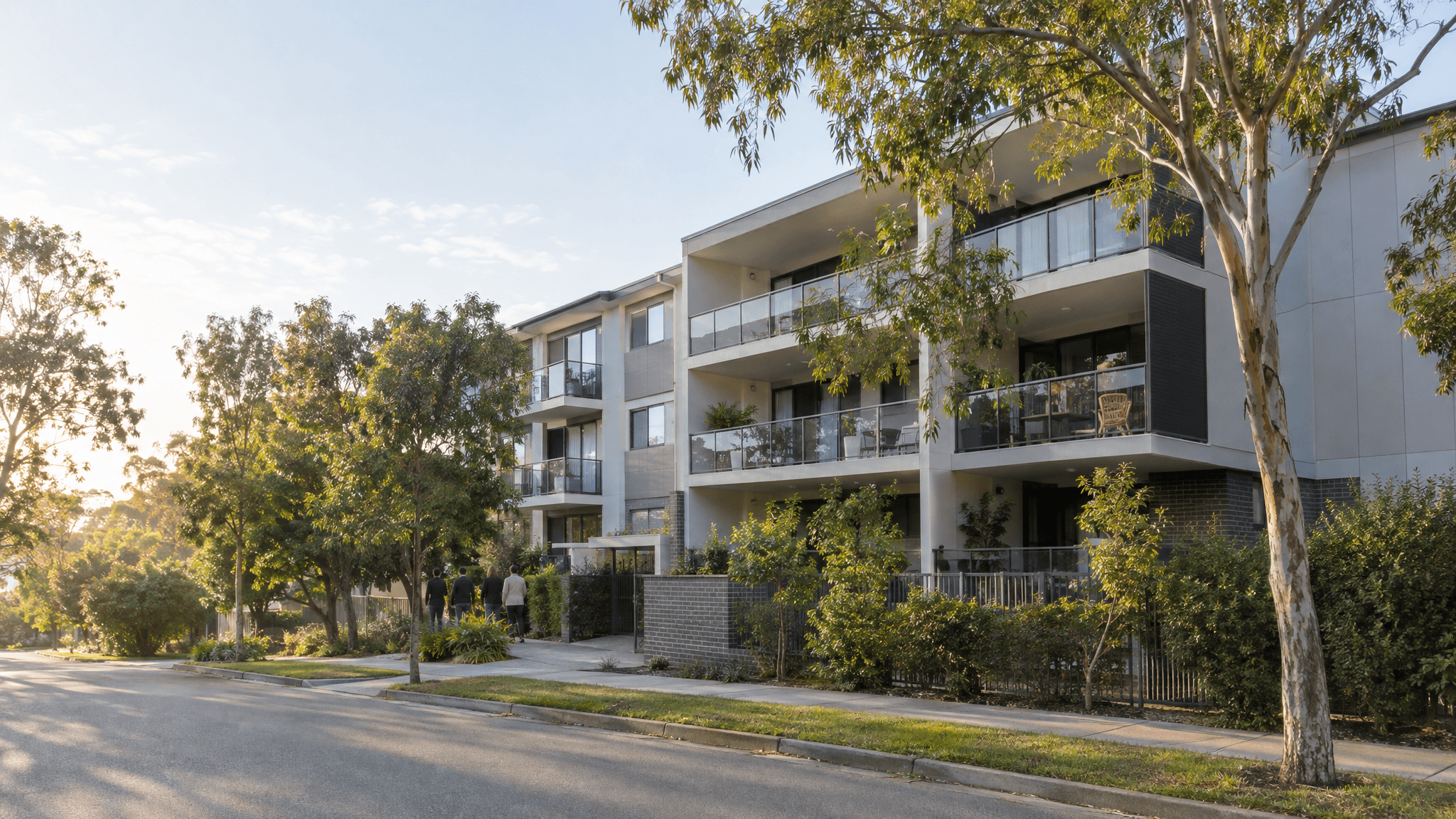
First-home buyer loan sizes jump after expansion of 5% deposit scheme
Analysis of ABS lending data shows first-home buyers entered with larger mortgages after the deposit scheme expanded, although the number of new loans did not rise at the same pace.

RentBuy Team
4 min read
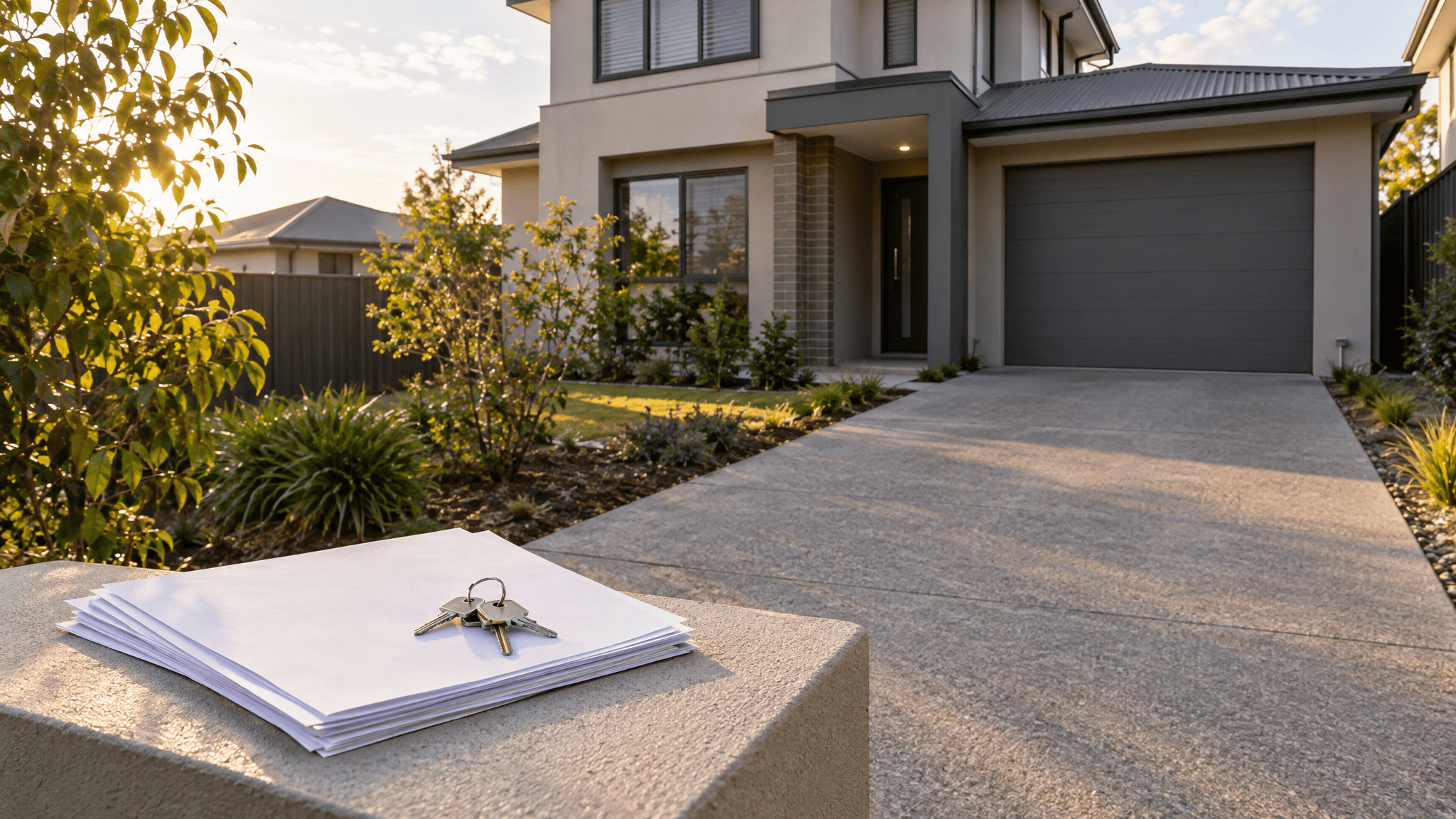
The average mortgage taken out by a first-home buyer rose sharply after the Australian Government’s 5% Deposit Scheme was expanded, increasing the importance of repayment buffers for buyers entering with limited equity.
Research commissioned by Temple & Webster and reported by realestate.com.au on Monday found the average first-home buyer loan reached $610,063 in June 2026. That was $49,800, or 8.9 per cent, higher than when the expanded scheme began on 1 October 2025.
The analysis used Australian Bureau of Statistics lending data. It found the December 2025 quarter produced an 8.5 per cent jump in the average first-home buyer loan, the largest quarterly increase in the dataset running back to 2002.
The result does not prove the scheme alone caused loan sizes to rise. Property prices, the mix of homes purchased, interest rates, state-based activity and buyers’ incomes can all influence the national average. However, it shows that the deposit expansion was followed by first-home buyers taking on materially larger debts.
Lower deposit, larger exposure
The scheme allows eligible buyers to purchase with a deposit of as little as 5 per cent without paying lenders mortgage insurance. Housing Australia guarantees part of the loan for participating lenders.
Changes introduced in October 2025 removed income caps and limits on the number of places while lifting property price thresholds. The lower deposit hurdle can shorten the time needed to save, particularly for households whose rent makes it difficult to build a 20 per cent deposit.
The trade-off is leverage. A buyer entering with 5 per cent equity generally borrows more than someone purchasing the same property with a 10 or 20 per cent deposit. That creates a larger repayment and leaves less protection if the property must be sold during a market decline.
Earlier Reserve Bank analysis found the share of very high loan-to-value lending to first-home buyers increased after the scheme expanded. The RBA said highly leveraged households were generally more vulnerable to financial shocks, although first-home buyers have historically had relatively favourable employment outcomes and the government guarantee limits the broader risk to lenders.
More debt did not mean more loans
The latest ABS June-quarter release provides an important qualification to the debate. The number of new owner-occupier first-home buyer commitments fell 2.9 per cent from the March quarter, while their total value rose 0.2 per cent.
That combination is consistent with the remaining borrowers taking larger loans, rather than the scheme producing a simple surge in the number of first-home purchases. Over the year, the number of first-home buyer commitments was unchanged, while their total value increased 10 per cent.
For buyers, the distinction matters. A scheme can help an individual household purchase sooner even if national participation does not rise substantially. But purchasing sooner is not automatically cheaper, particularly if a small deposit is paired with a larger loan and rising interest rates.
The commissioned research estimated that interest-rate increases since October 2025 had already reduced part of the financial benefit buyers received from entering without lenders mortgage insurance. The government’s position is that the scheme tackles one of the biggest obstacles to ownership: the years required to save a deposit while also paying rent.
Questions to ask before using the scheme
Buyers should test affordability using the actual mortgage, not the minimum deposit advertised by the scheme. A useful assessment includes:
- repayments at the offered rate and at a higher stress-test rate
- council rates, strata levies, insurance and maintenance
- the cash remaining after settlement and moving costs
- whether the property could be held through a job loss, parental leave or another income interruption
- the likely cost and difficulty of selling if prices fall early in the ownership period.
A larger deposit may provide lower repayments and more equity, but waiting also carries risks if rents or suitable home prices rise. The right balance depends on the buyer’s income security, savings rate, intended holding period and the property being purchased.
What it means for you
- A 5 per cent deposit reduces the savings hurdle but does not reduce the price of the home or the debt required to buy it.
- Build a cash buffer beyond the deposit and purchase costs before committing to a high loan-to-value mortgage.
- Compare the benefit of buying sooner with repayments under higher-rate and lower-income scenarios.