Emergency heritage bid puts Darwin’s Lee Point housing project under fresh scrutiny
Larrakia custodians have sought emergency national heritage protection for Lee Point, creating a new decision point for a planned precinct containing private and Defence housing.

RentBuy Team
4 min read
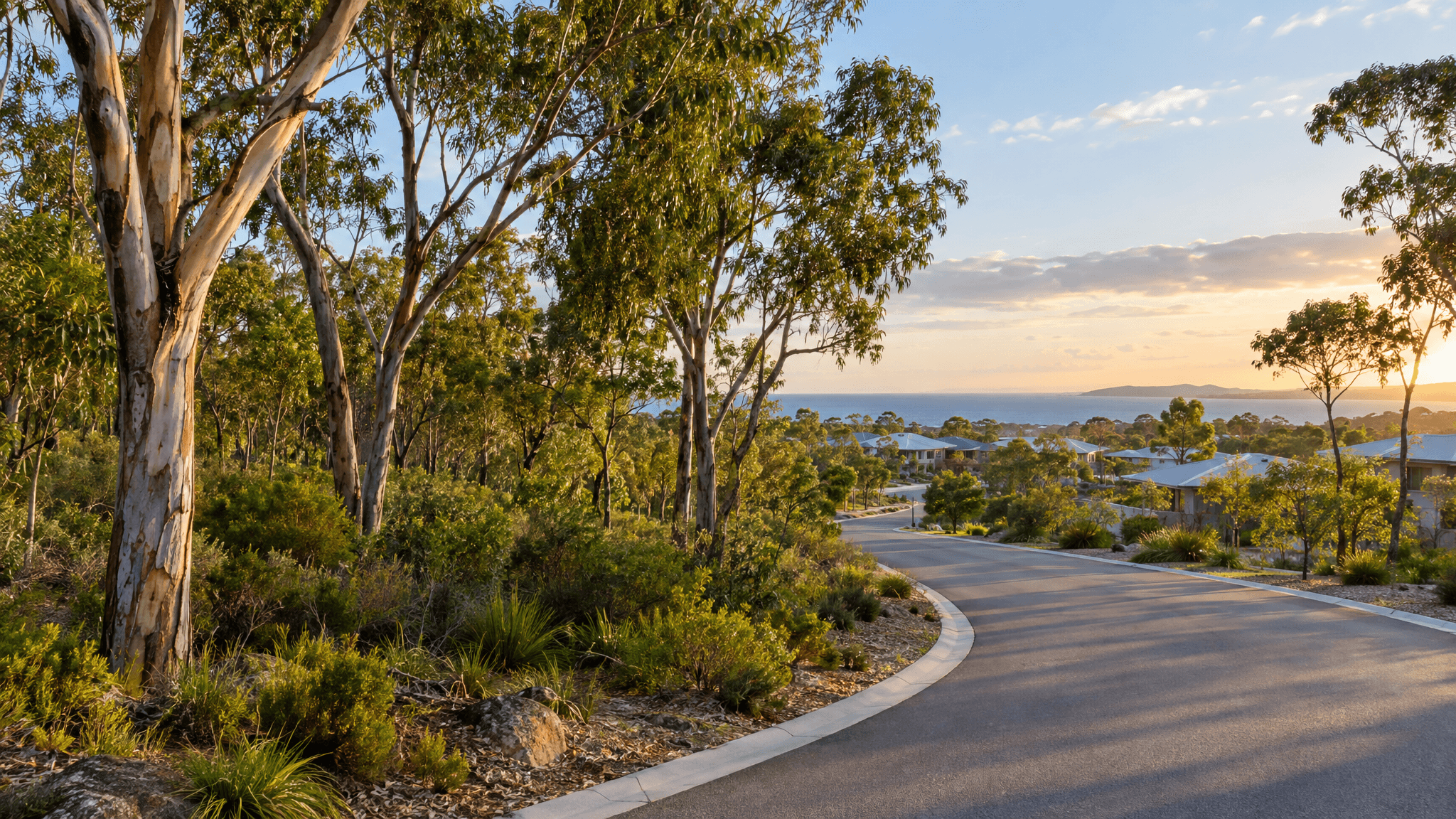
A planned 800-home precinct at Darwin’s Lee Point faces a fresh hurdle after two Larrakia custodians sought emergency national heritage protection for the development area.
ABC News reported on Tuesday that Lorraine Williams and Tibby Quall had nominated the peninsula as the Binybara cultural heritage landscape. Their application asks for both assessment for the National Heritage List and provisional emergency protection intended to stop further work while the broader case is considered.
The nomination does not itself cancel the development or guarantee that construction will stop. It begins another federal assessment process for a project already shaped by environmental approvals, cultural heritage concerns and years of community opposition.
What is planned at Lee Point
Defence Housing Australia is developing about 131 hectares at Lee Point in Darwin’s northern suburbs. The current proposal includes 200 homes for Defence personnel and 600 lots for private housing, along with retail, tourism and community uses.
Only five homes have been built so far, according to ABC News. DHA says it released procurement packages during October and November for civil works, environmental rehabilitation and enabling works supporting future housing construction.
Major construction is not due to begin until relevant biodiversity-plan conditions are met and procurement is completed.
The project is significant for Darwin’s housing pipeline, but the site also contains tropical woodland, defence history and places of cultural importance to Larrakia people.
The custodians argue the landscape should be considered as a whole rather than as separate environmental, archaeological or sacred-site issues. Their nomination points to its Indigenous cultural values, biodiversity and military history.
Revised plan did not end the dispute
DHA released a revised master plan on November 6 following concerns about sacred sites and habitat.
Under that plan, some proposed bush blocks would not be developed and 22 hectares would be reserved for conservation. DHA said as much as half the site could be retained for environmental or community purposes, including conservation land and two proposed sporting ovals.
The agency has also said it secured 500 hectares near Litchfield National Park for Gouldian finch habitat and conservation work. The endangered bird is among the species recorded around Lee Point.
DHA maintains that the development can provide housing, local employment and accommodation for Defence families while protecting environmental and cultural values.
The custodians say the revisions remain insufficient. Cultural material, including a grinding stone, was found during earlier clearing, while the nomination raises concerns about a registered sacred reef off Lee Point beach and a women’s site within the broader project area.
What happens next
The Australian Heritage Council assesses nominations to the National Heritage List and can refer recommendations to the federal environment minister. A place must have outstanding heritage value to Australia as a whole, rather than only local or territory-level significance.
The provisional emergency request is the more immediate issue. If granted, it could pause work while the full nomination is assessed. If it is refused, the existing planning, environmental and procurement processes may continue unless another legal or administrative decision intervenes.
This means the advertised housing numbers should still be treated as a planned pipeline rather than near-term completed supply. Even without a final heritage listing, assessment and legal uncertainty can affect the timing, staging and ultimate design of a major residential project.
For Darwin buyers, the dispute will not determine wider market conditions on its own. Lee Point’s private lots have not yet become established resale stock, and any effect on available housing depends on how much of the development proceeds and when lots are released.
The case nevertheless illustrates the difficult trade-offs that arise when governments seek new housing on land with overlapping cultural, environmental and community values. Those conflicts can rarely be resolved by dwelling targets alone.
What it means for you
- The 800 homes remain planned rather than guaranteed near-term supply.
- An emergency listing could pause work while the heritage case is assessed.
- Buyers should not base a purchase decision on unconfirmed future land-release dates.
- Further changes to the project’s footprint, timing or dwelling mix remain possible.