Four defence sites withdrawn from sale as wider housing land program continues
The government will retain four major heritage defence sites, removing them from a disposal program intended partly to release metropolitan land for housing. Other surplus sites remain in the pipeline.

RentBuy Team
4 min read
Four prominent defence properties will remain publicly owned, narrowing the list of surplus Commonwealth sites that could be sold or leased for private development under the federal Defence estate overhaul.
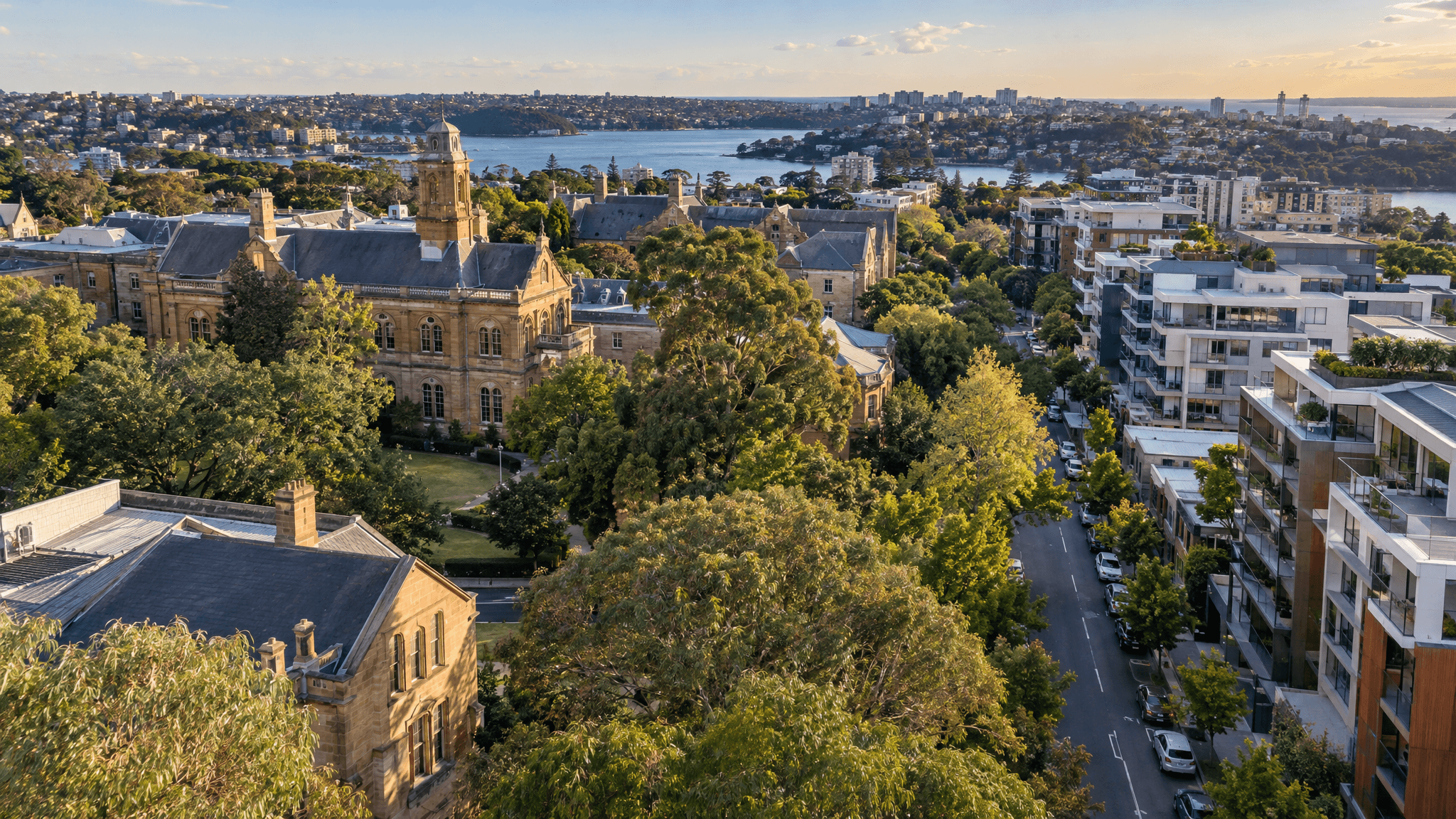
The government confirmed that Victoria Barracks in Sydney and Melbourne, Fort Queenscliff and RAAF Base Point Cook would be retained after community concern about their future. Defence personnel will still move out, and the sites are expected to be opened more widely to the public.
Monday’s announcement and subsequent comments from Defence Minister Richard Marles clarify an important distinction: the properties are leaving active Defence use, but they are no longer heading towards an outright sale.
The Australian War Memorial will be asked to help interpret their military history. The Department of Finance will manage the next stage, including possible activities that are compatible with public ownership and heritage protection.
For the housing market, the immediate consequence is that four large, well-located properties are no longer straightforward candidates for residential redevelopment. The government has not announced housing plans for the retained sites, and Prime Minister Anthony Albanese said the Sydney barracks would stay in full public ownership.
What changes in the wider land program
The decision does not end the broader Defence estate rationalisation.
The independent estate audit identified 67 sites for full or partial divestment because they were underused, expensive to maintain or no longer suited to modern Defence requirements. Marles said 11 had already been transferred to the Department of Finance by Sunday.
The Guardian reported that the wider program has a long-term objective of enabling about 6,000 homes, although the timing and housing potential will vary substantially between sites. Heritage controls, contamination, infrastructure, existing military uses and local planning rules can all affect what is eventually possible.
The government has pointed to other properties as potential housing locations. During Sunday’s press conference, Albanese referred to planned housing development on former Defence land in Tasmania and South Australia. Those sites remain separate from the four heritage properties now being retained.
The change therefore reduces the amount of especially prominent inner-city land potentially available to private buyers, but it does not remove housing from the overall disposal strategy.
Why surplus government land matters
Releasing public land can help housing supply where sites are close to transport, jobs and existing services. It can also avoid some of the fragmented ownership problems that slow redevelopment across multiple small lots.
However, a disposal announcement is only the beginning of a lengthy process. Before homes can be delivered, governments may need to resolve planning controls, infrastructure funding, environmental remediation, heritage obligations and the mix of market, affordable and social housing.
Buyers should not treat a proposed land release as evidence that new homes are imminent. Large government sites commonly require years of planning before dwellings reach the market.
For nearby owners, the retention of the four sites also reduces the prospect of a major residential precinct changing local traffic, views, services and housing density in the short term. Future public, cultural or commercial uses could still alter how the properties interact with their surrounding suburbs.
The key unanswered question is how quickly the remaining estate sites will progress from Defence to Finance and then into planning, sale or redevelopment. That timetable will determine whether the program makes a meaningful contribution to housing supply or remains largely a long-term land pipeline.
What it means for you
- Buyers should not expect housing to be developed at the four retained heritage sites without a separate future policy decision.
- Other former Defence properties may still produce new housing, but each will require planning and infrastructure work.
- Owners near the retained sites now face less immediate uncertainty about large-scale private redevelopment.
- Future supply figures should be judged by approved and commenced homes, not the headline size of the land portfolio.