Researchers call for healthier rental standards as poor homes drive illness
A new healthy housing handbook links mould, extreme temperatures and insecure tenure to illness, with renters among those facing the greatest risks.

RentBuy Team
4 min read
Australian governments are being urged to treat housing as health infrastructure after researchers linked mould, poor ventilation, extreme indoor temperatures and insecure tenure with preventable illness and economic costs.
The University of Melbourne’s Centre of Research Excellence in Healthy Housing launched the Australian Healthy Housing Policy Handbook at Parliament House in Canberra on Thursday. The handbook sets out reforms spanning rental regulation, building standards and climate resilience.
ABC News reported that an estimated 2.5 million Australians live in homes that harm their health and wellbeing. The university’s announcement described unhealthy housing as affecting millions of households, underscoring the scale of the problem even though the two publications expressed the estimate differently.
The researchers identified renters, people on lower incomes, Aboriginal and Torres Strait Islander peoples, older people, people with disability and those living with chronic conditions as groups more likely to face poor housing conditions and fewer options for fixing them.
A healthy home involves more than repairs
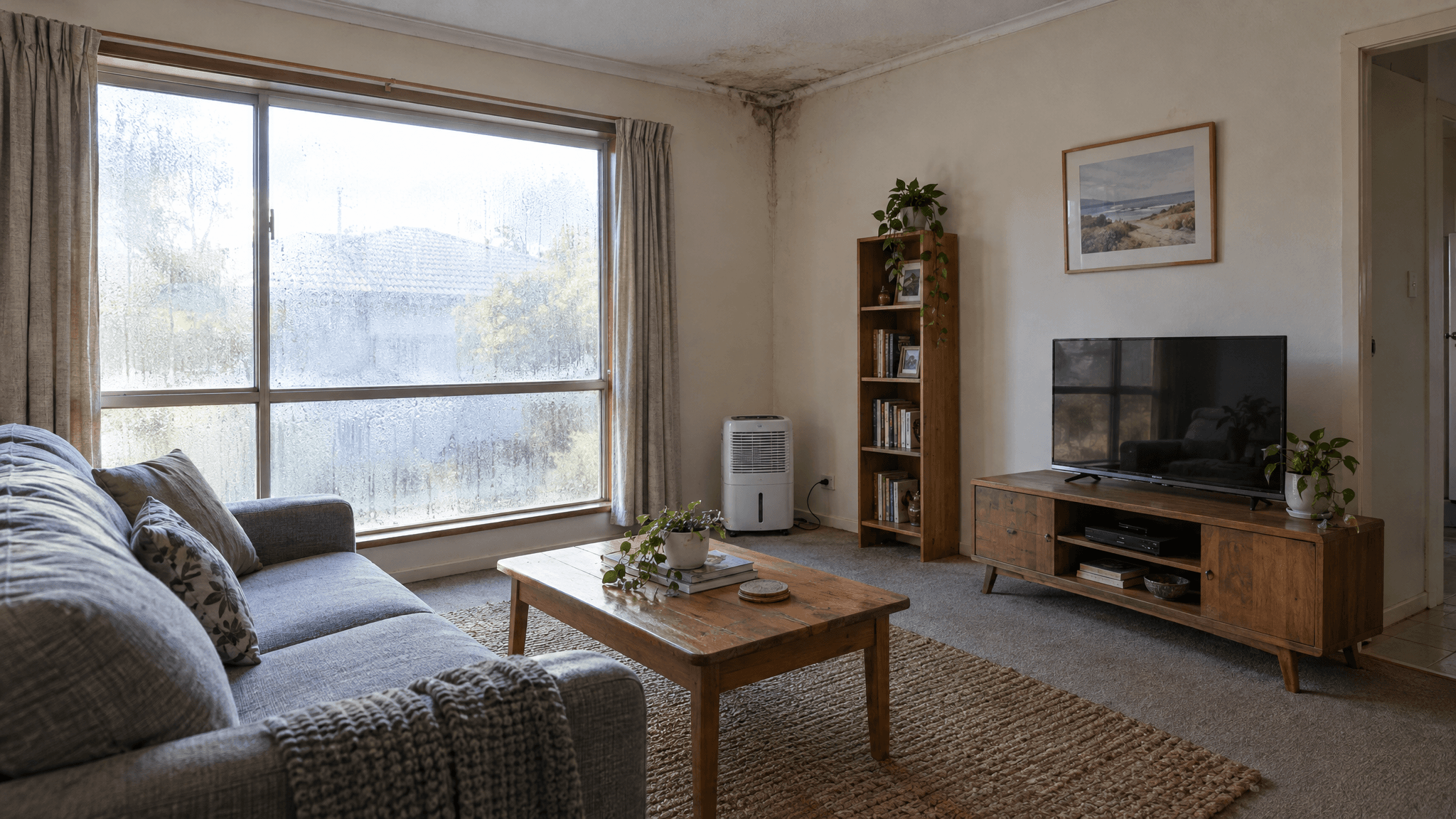
The handbook takes a broad view of housing quality. A healthy property should be free of damp, mould, pests, toxic substances and excessive noise, while also being secure, adequately ventilated and affordable to heat or cool.
That means the issue is not limited to visible maintenance failures. Poor insulation can expose residents to dangerous heat and cold, while high housing costs can leave households unable to use heating or air conditioning even when the equipment is available.
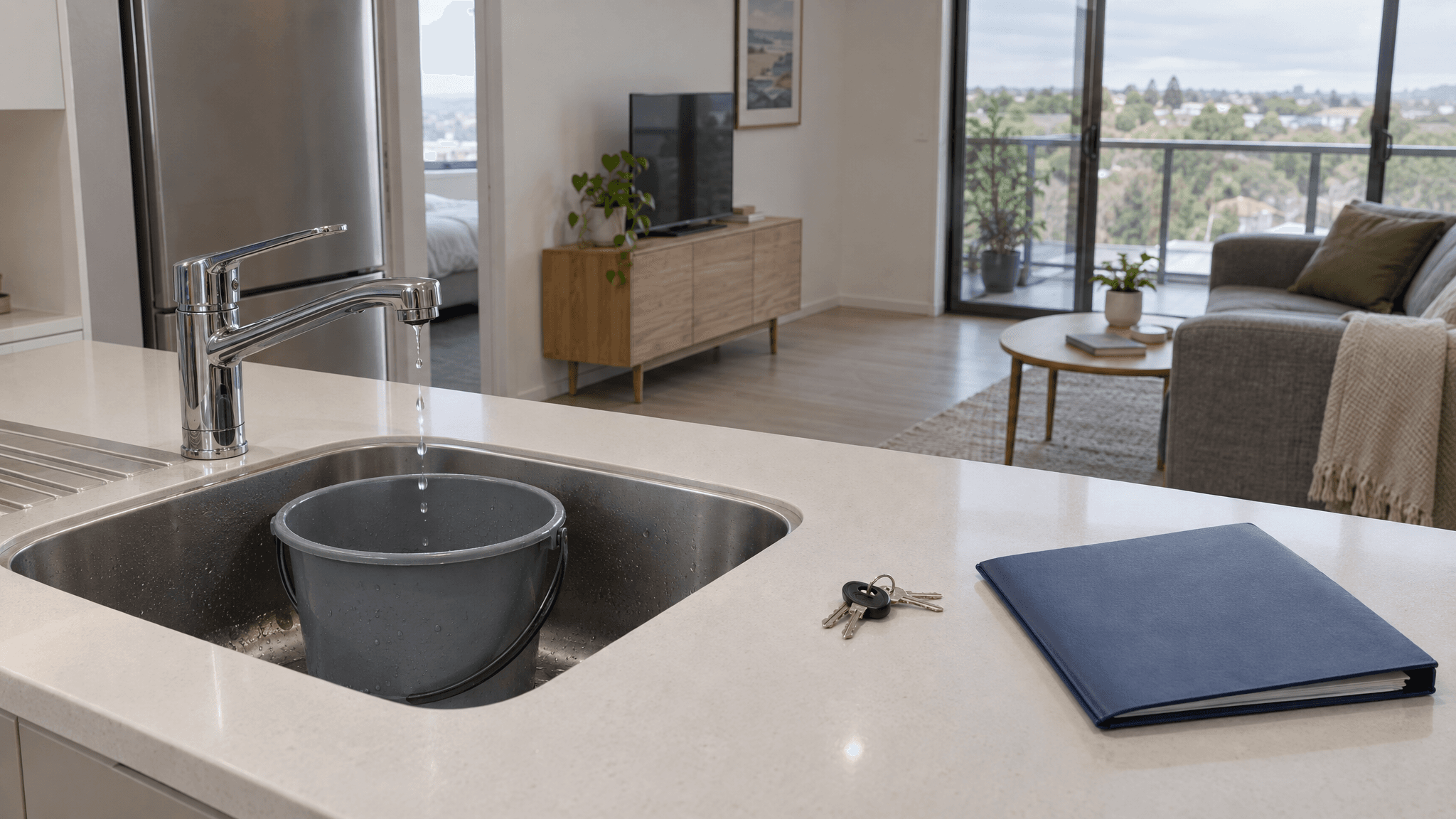
Tenure insecurity can add another layer of harm. A renter may be reluctant to report mould, leaks or inadequate ventilation if they fear a rent increase, a poor reference or the loss of their home. Renters can also have less control than owner-occupiers over structural work, insulation and major ventilation improvements.
According to ABC News, University of Melbourne researchers said mould and damp were reported more often in rental homes than owner-occupied properties, while renters faced greater barriers to remediation.
The health effects identified by the researchers include respiratory and cardiovascular disease, poor mental health and risks to children’s development. Extreme temperatures can be especially dangerous during heatwaves and cold snaps, when inefficient homes are costly or impossible to keep within a safe temperature range.
The proposed policy response
The handbook recommends four broad priorities:
- Improve housing conditions for renters.
- Strengthen rental regulation and renter protections.
- Tighten construction rules so new homes are healthy and sustainable.
- Make existing housing and the wider housing system more resilient to climate hazards.
The researchers called for national minimum rental standards, an end to no-grounds evictions, greater health-sector involvement in building codes and the inclusion of housing in climate emergency planning.
These are recommendations rather than new laws. Rental minimum standards and eviction rules continue to differ between states and territories, meaning the immediate rights of a tenant still depend on where they live and the condition involved.
The researchers also argued that preventive work could produce substantial economic benefits. The University of Melbourne estimated that eliminating mould exposure alone could reduce healthcare expenditure by $3.8 billion over 20 years and increase working-age incomes by $5.9 billion through improved productivity.
For owners and landlords, the findings reinforce the value of dealing with water entry, ventilation and temperature control before damage spreads. For renters, they provide further evidence that recurring mould should not automatically be dismissed as a cleaning problem when leaks, condensation or building design may be contributing.
What it means for you
- Renters should photograph mould, damp and leaks, report them in writing and retain all correspondence.
- Buyers should look beyond cosmetic presentation and check ventilation, drainage, insulation and signs of past water damage.
- Landlords should investigate the source of recurring mould rather than relying only on surface cleaning.
- Current tenant rights vary by state, so seek local tenancy advice if a serious health hazard is not repaired.