Renters report more problems when agents manage the property, study finds
Australian tenants renting through agents were more likely to report delayed repairs, restrictions and unjustified increases than those dealing directly with landlords.

RentBuy Team
4 min read
Australian renters dealing with a real estate agent were more than twice as likely to report several common tenancy problems as renters dealing directly with their landlord, according to new peer-reviewed research.
The study by housing researchers Amy Clair, Sha Liu and Emma Baker examined national survey data covering more than 12,000 private-rental households. The findings were published online by the journal Housing Studies on 13 November and explained in an article republished by SBS News on Wednesday.
The researchers focused on renters with a formal agreement who had occupied their home for at least one year. They compared experiences involving repairs, rent increases and restrictions on how tenants used their homes.
What renters reported
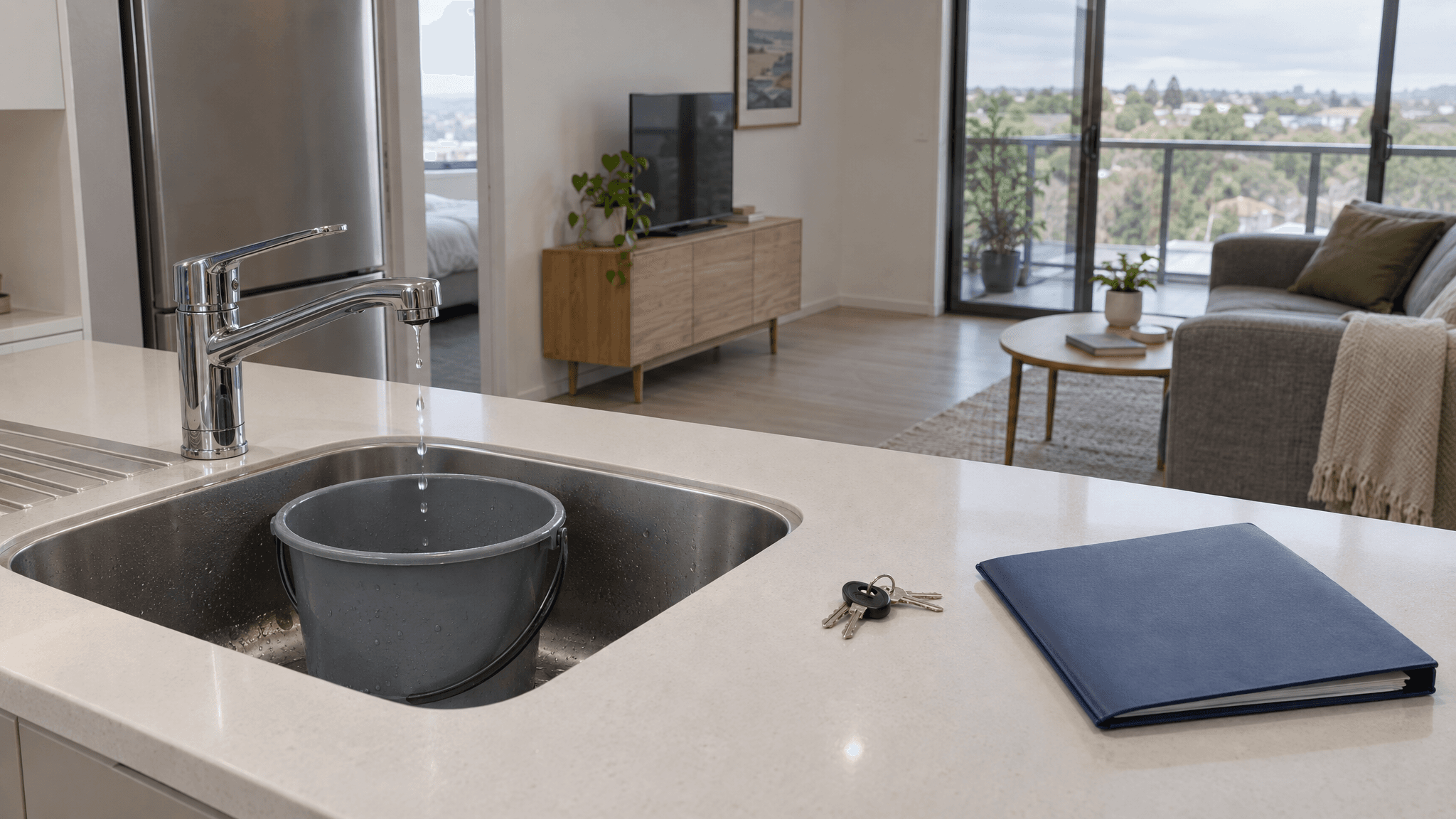
Across the private renters studied, more than one-third reported a delay in maintenance or repairs. Nearly 29 per cent said they had experienced restrictions on how they used their home, while almost one in five reported what they considered an unjustified rent increase.
The difference between management arrangements was substantial:
- 37.8 per cent of tenants renting through agents reported delayed repairs, compared with 18.7 per cent renting directly from landlords
- 30.4 per cent of agent-managed renters reported restrictions on using their home, compared with 16.1 per cent dealing directly with landlords
- 20.9 per cent of agent-managed renters reported unjustified rent increases, compared with 9.7 per cent in landlord-managed tenancies.
After adjusting for factors including household characteristics, location and property type, tenants using agents were 2.4 times as likely to report restrictions and 2.6 times as likely to report repair delays or unjustified rent increases.
The results show a strong association, but they do not prove that using an agent directly caused each reported problem. The data records renters’ experiences, and factors not measured by the study may also influence outcomes.
Why management arrangements may matter
About 80 per cent of privately rented Australian homes are managed through agents, according to the researchers. That makes property management practices a central part of the rental system rather than a minor administrative issue.
Agents can provide expertise, knowledge of tenancy rules and organised systems for inspections and repairs. However, an agent is appointed and retained by the property owner, while the renter may have little or no direct contact with that owner.
The researchers suggested high workloads and standardised procedures may reduce room for negotiation or make communication slower. A request that moves between a renter, property manager, landlord and contractor can also stall if responsibilities and approval limits are unclear.
Direct landlords may be able to make quicker decisions, although self-management does not guarantee that a tenancy will be well run. Both models depend on the people involved, their understanding of their responsibilities and their willingness to document and resolve problems.
Practical lessons for renters and owners
For renters, the findings reinforce the value of keeping requests in writing. Maintenance reports should clearly describe the problem, when it began and whether it affects safety, security or essential services. Photographs, dated messages and copies of follow-ups can help establish a reliable record.
Renters who receive a rent increase or a refusal affecting pets, alterations or use of the property should check the rules applying in their state or territory. Tenancy laws differ across Australia, and an agent’s standard procedure does not override legislation or the rental agreement.
For landlords, appointing an agent does not remove the need to monitor the service. Owners can ask how many properties each manager handles, what spending authority applies to urgent work, how requests are recorded and how long unresolved maintenance items remain open.
Clear instructions allowing reasonable repairs to proceed without repeated approval may protect the property as well as improve the renter’s experience.
What it means for you
- Renters should make repair requests in writing and retain photographs and follow-up messages.
- A professional property manager does not automatically guarantee faster maintenance or fewer disputes.
- Landlords should check their agent’s workload, communication systems and repair authority before appointing them.
- Reported problems are more common in agent-managed tenancies, but individual agencies and landlords can perform very differently.