More than 4,000 regional WA social homes to receive insulation upgrades
A $53.9 million program will improve ceiling insulation in more than 4,000 social homes across regional and remote WA, targeting power bills and extreme temperatures.

RentBuy Team
4 min read
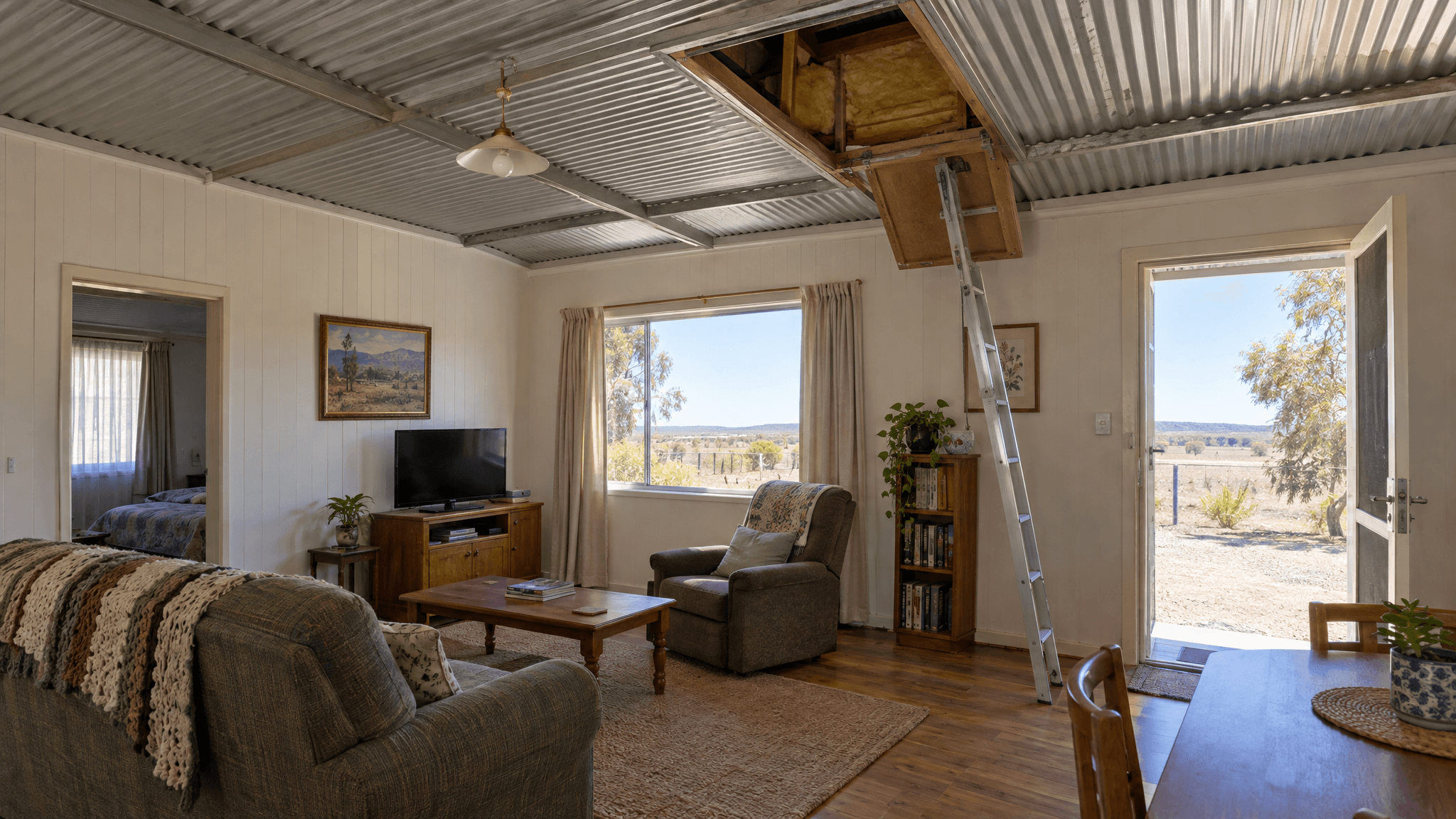
More than 4,000 social housing properties across regional and remote Western Australia are set to receive upgraded ceiling insulation under a new $53.9 million Australian Government commitment announced late on Friday.
The five-year program will cover properties in the Kimberley, Pilbara, Gascoyne, Mid West and Goldfields. These regions include some of Australia’s hottest communities, where poorly insulated homes can be expensive and difficult to cool.
The funding expands an existing partnership between the Australian and WA governments under the Social Housing Energy Performance Initiative. Rather than constructing new dwellings, the program is intended to improve the comfort and running costs of homes already occupied or available to social housing tenants.
What the work will involve
The announcement identifies upgraded ceiling insulation as the main measure funded by the new commitment.
Many of the targeted properties were constructed before modern energy-efficiency requirements applied. A roof and ceiling exposed to intense sun can transfer substantial heat into a home, increasing the amount of electricity required for fans or airconditioning.
The federal and WA governments said ceiling insulation can reduce heating and cooling energy use and costs by up to 45 per cent. Actual savings will vary between homes according to climate, building condition, existing insulation, household energy use and the type and efficiency of cooling equipment.
The release did not identify individual properties, provide a town-by-town schedule or say whether tenants would need to register. Social housing energy upgrades are generally arranged by the housing owner or manager, but affected tenants will need direct notice before inspections or work begin.
Program will grow to about 8,000 homes
The new $53.9 million investment follows an earlier $63.2 million commitment to upgrade social housing across regional and remote WA.
More than 2,200 properties have already been improved through the original program, which remains scheduled for completion by June 2027. The additional funding is expected to bring the total number of WA homes funded for upgrades to about 8,000.
Nationally, the Social Housing Energy Performance Initiative is investing $1.1 billion, including $800 million from the Australian Government, with a stated target of improving more than 100,000 social housing properties.
The WA expansion has a particular focus on regional and remote communities, including communities with significant Aboriginal populations. In these locations, high temperatures can coincide with expensive electricity systems, older housing and limited access to trades, making the condition of the building itself especially important.
Why retrofitting existing homes matters
New housing supply remains essential, but building programs take time. Upgrading existing dwellings can deliver benefits without waiting for land acquisition, planning approval and complete redevelopment.
Insulation is also a lasting improvement to the property rather than a temporary bill rebate. If installed correctly and maintained, it can reduce the amount of energy needed whenever a home is heated or cooled, including for future tenants.
The condition of each property will influence how straightforward the work is. Contractors may need to assess existing insulation, roof access, electrical safety, ventilation and damage before installation. The five-year timeframe indicates the upgrades will be staged rather than delivered to every household immediately.
For private renters, the announcement does not create a general right to insulation upgrades and does not directly fund privately owned rental homes. It does, however, place further attention on the running costs and heat performance of older housing, which tenants may wish to consider when comparing properties.
What it means for you
- Eligible social housing tenants should wait for their housing provider to confirm whether their property is included and when work will occur.
- The program funds physical upgrades, but household bill savings will vary substantially between properties.
- Regional renters inspecting any home should ask about ceiling insulation, cooling equipment and typical summer electricity costs.
- The work will be staged over five years, so the announcement does not mean all 4,000-plus homes will be upgraded immediately.