Kemps Creek water plant adds capacity for 140,000 Western Sydney connections
A $1.2 billion wastewater facility has opened at Kemps Creek, adding essential servicing capacity for growth around the Aerotropolis, Austral and Leppington. Connections still depend on local networks and individual developments proceeding.

RentBuy Team
4 min read
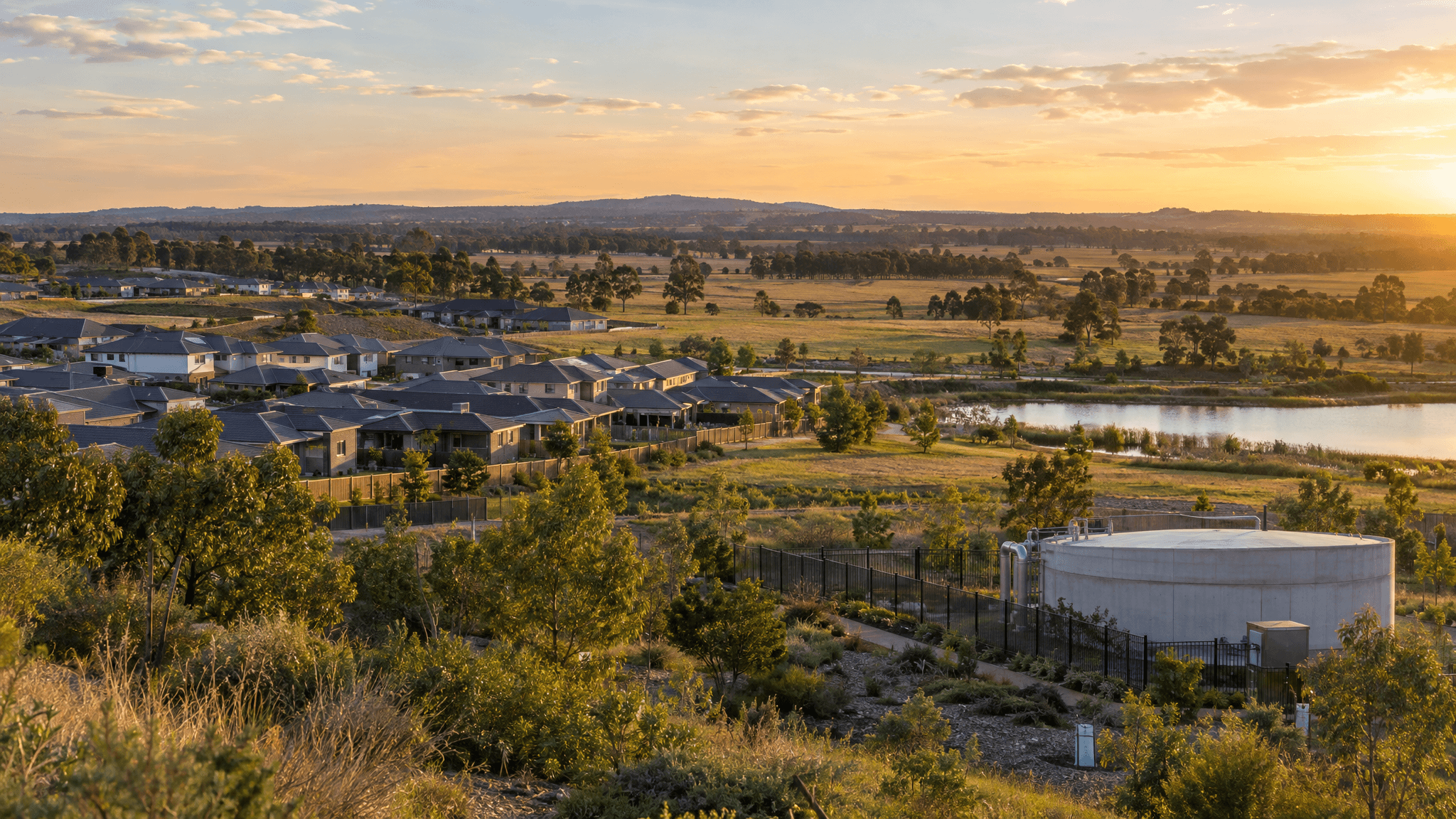
A major wastewater facility has opened at Kemps Creek, removing one of the infrastructure constraints facing new housing and employment areas in Western Sydney.
The NSW Government said the $1.2 billion Badu Yarragul Water Resource Recovery Facility would initially enable more than 140,000 homes and businesses to connect to wastewater services.
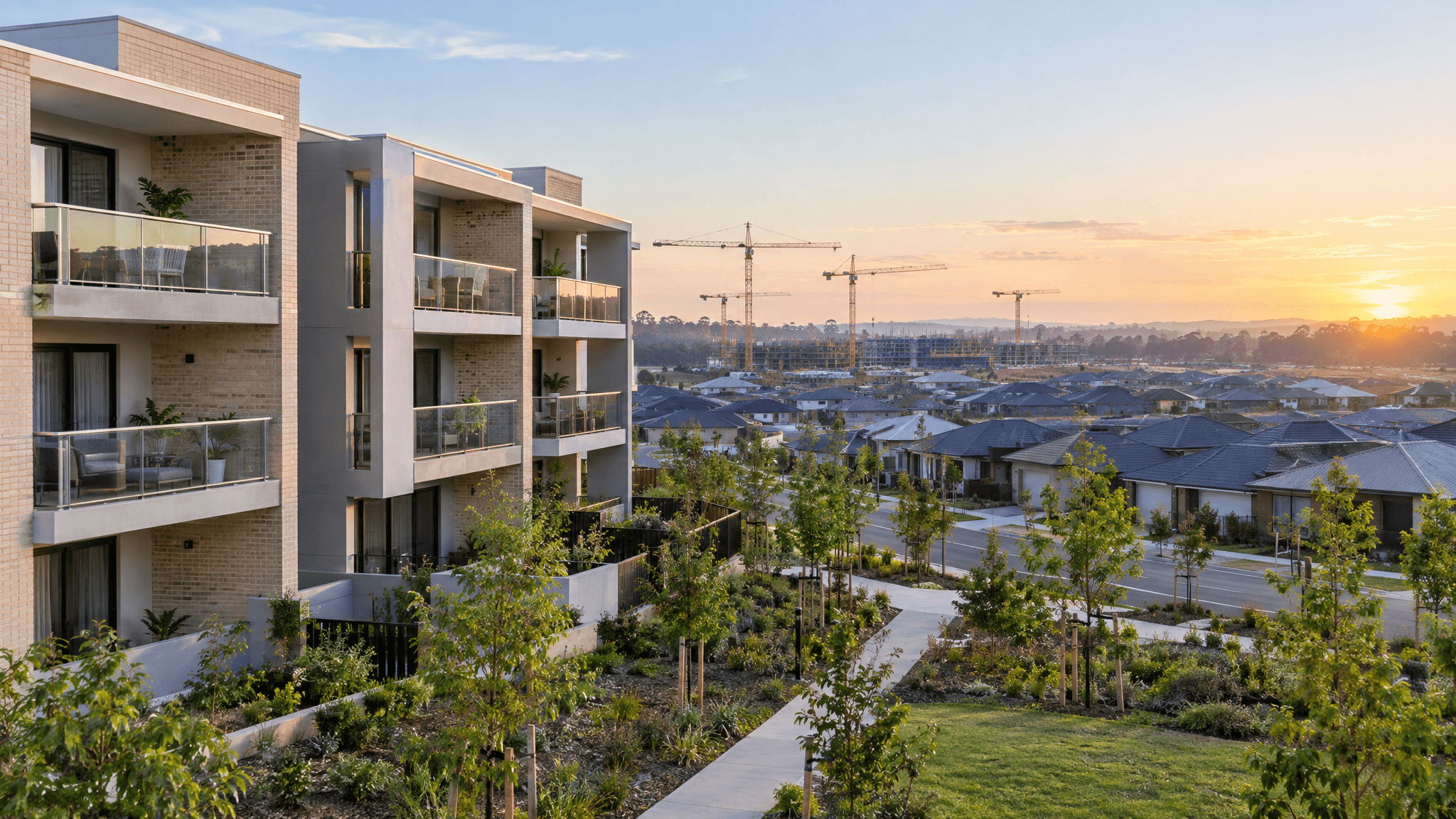
The plant will serve growth around the Western Sydney Aerotropolis, Bradfield, Austral, Leppington North and nearby precincts. These areas are expected to accommodate substantial residential development alongside the new airport and employment land.
The opening is significant because rezoning land does not make it ready for housing on its own. New suburbs also require trunk water and wastewater networks, roads, electricity, schools and other services before large numbers of residents can move in.
What the facility provides
Badu Yarragul can initially treat up to 35 megalitres of wastewater a day. Planned upgrades would double that capacity to 70 megalitres and support a wider servicing footprint of more than 280,000 connections.
Sydney Water’s project information says the facility and associated pipelines are intended to support about 400,000 people by 2056.
The system will collect wastewater from homes and businesses and produce high-quality treated water suitable for non-drinking uses. Potential uses include industry, agriculture, public-space irrigation and some residential applications, while treated water can also help support flows into the Nepean River.
The remaining solids can be processed into biosolids for use in agriculture and forestry. A four-megawatt solar farm is designed to supply about half the facility’s energy needs.
These features do not directly determine how many homes are built, but they increase the region’s capacity to accommodate development without placing the full burden on older treatment plants elsewhere in Sydney.
Servicing capacity is not the same as immediate supply
The 140,000 figure describes potential connections for homes and businesses rather than 140,000 completed or approved dwellings. It should therefore be treated as infrastructure capacity, not a construction forecast.
Major trunk assets are only part of the servicing chain. Sydney Water notes that developers or property owners must still build reticulation and lead-in pipelines connecting individual developments to the larger network.
Housing delivery will also depend on planning approvals, land assembly, roads and power, developer finance, buyer demand and the availability of builders. Some precinct networks remain under construction, with parts of the Upper South Creek program scheduled to continue into 2027.
That means the facility can remove a critical barrier without producing an immediate wave of listings. The effect should emerge progressively as subdivisions and medium-density projects secure approvals, install local services and move through construction.
Why it matters for Western Sydney
Austral, Leppington, Kemps Creek and the Aerotropolis sit within one of Sydney’s largest growth corridors. Existing wastewater facilities serving parts of the area have been approaching capacity, making new infrastructure necessary before development can continue at scale.
The new plant also gives planners and developers greater certainty about where future connections can be supported. That can help with staging decisions, although buyers should still investigate the delivery timetable for the particular estate or project they are considering.
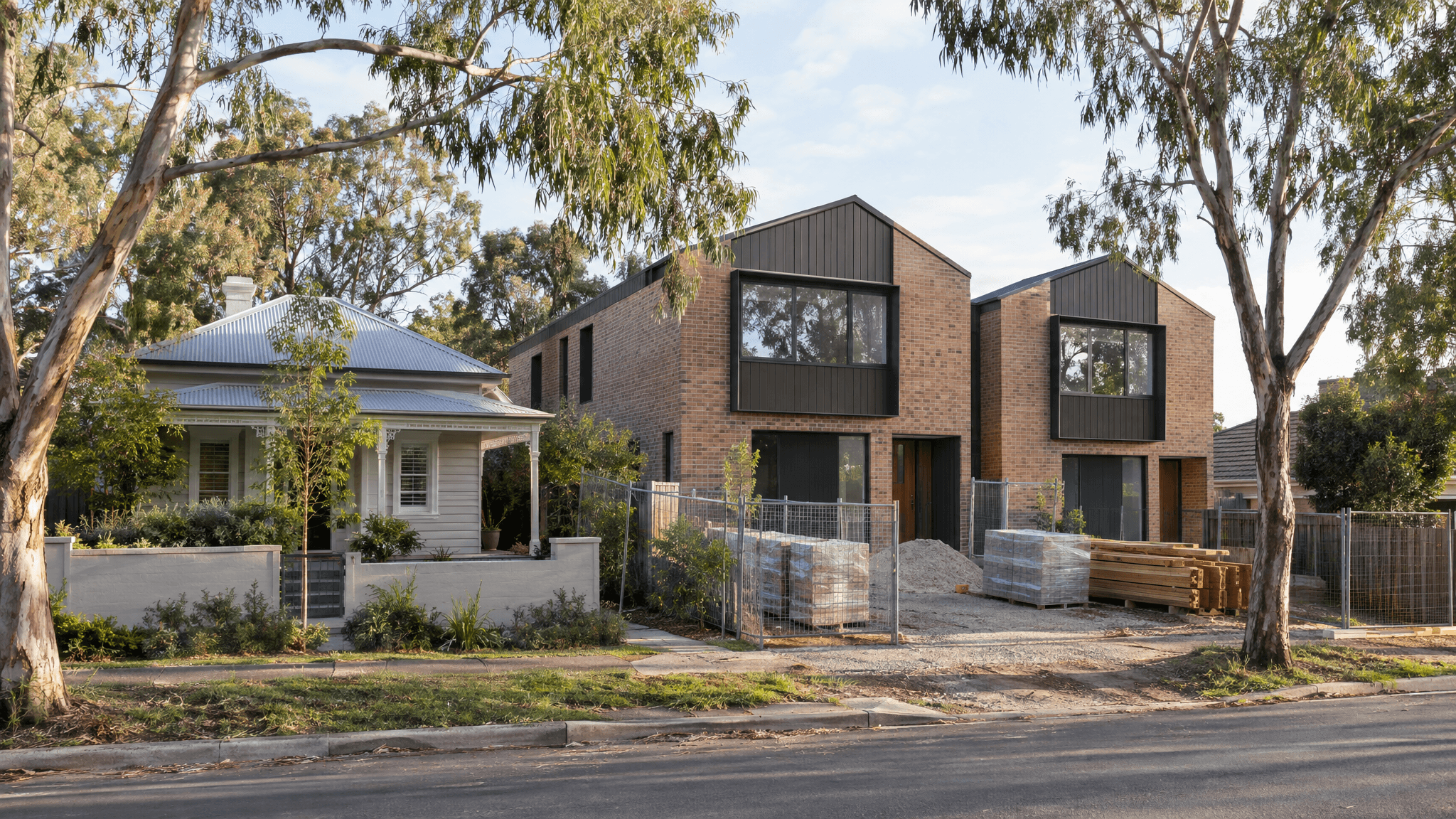
For established homeowners, the broader program may bring construction traffic and local road works while pipelines and pumping stations are completed. Over time, additional serviced land can support more housing choice, but it can also change surrounding traffic, views and the character of formerly rural areas.
The practical value of Badu Yarragul is therefore not that it instantly creates homes. It provides a piece of essential infrastructure without which planned homes across a large part of Western Sydney could not be occupied.
What it means for you
- Buyers in new estates should ask when their specific lot will have completed wastewater, road and utility connections.
- The 140,000 figure covers potential home and business connections; it is not a count of dwellings ready to build.
- Landowners may gain greater development certainty, but zoning, approvals and local network works still apply.
- Nearby residents should expect continued pipeline and pumping-station construction as the wider network is completed.