Auction clearance rate stays below 50% as Brisbane result slumps
Only 48.8% of reported capital-city auctions cleared in the preliminary count, with Sydney weakening and Brisbane recording a particularly low result.

RentBuy Team
4 min read
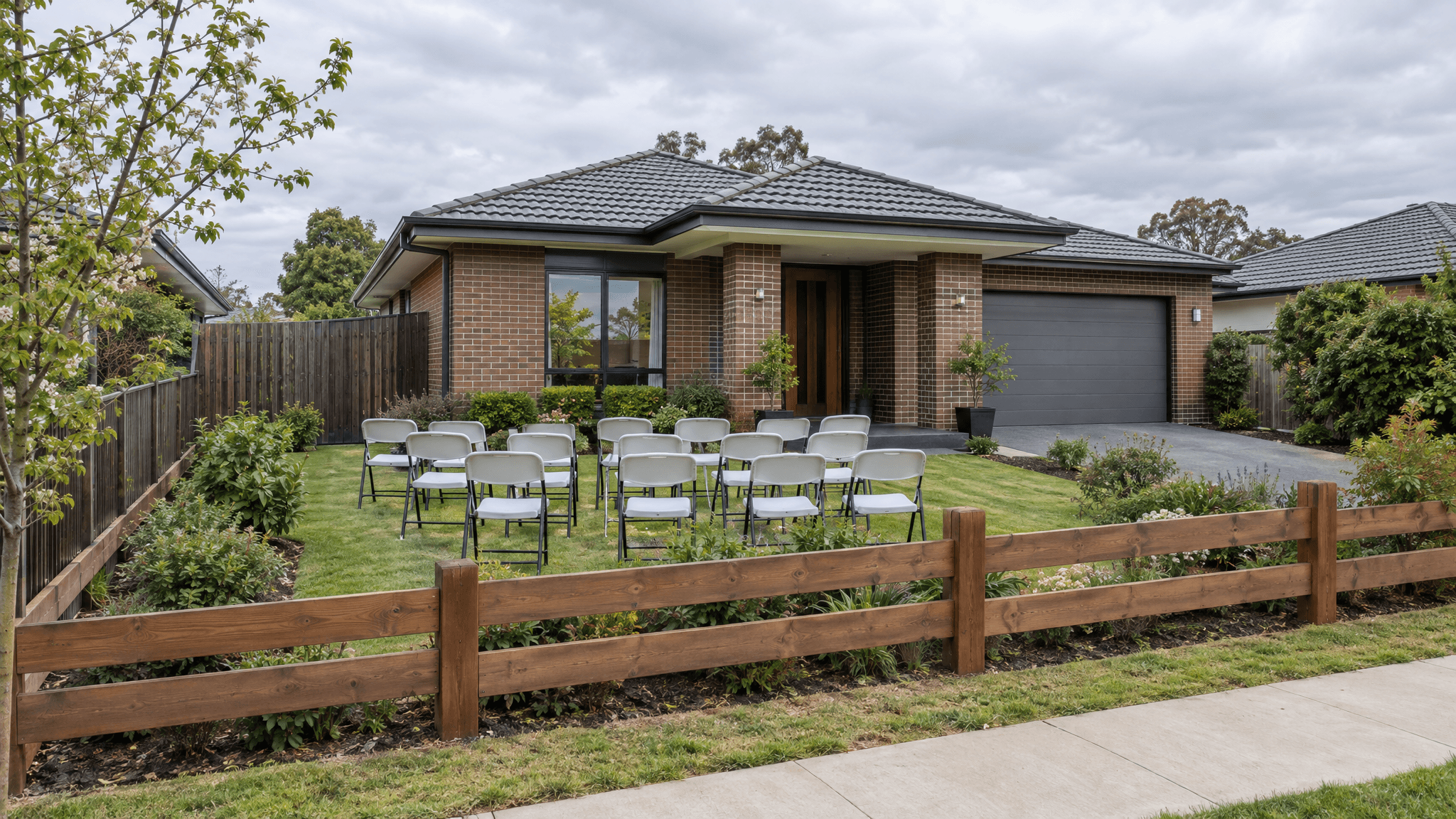
Australia’s spring auction market has delivered a second consecutive preliminary clearance rate below 50%, strengthening the evidence that buyers have gained negotiating power as higher interest rates restrict borrowing.
Cotality data reported by Capital Brief on Sunday showed a combined capital-city preliminary clearance rate of 48.8% from 1,208 results collected by early Sunday afternoon. There were 1,781 auctions held across the capitals, with 589 successful and 619 unsuccessful outcomes among the results available at that point.
The headline rate was slightly higher than the previous weekend’s preliminary reading of 48.2%. That earlier figure subsequently fell to a final clearance rate of 45.4% as more results were collected, however, showing why the latest result should not be treated as final.
Preliminary clearance rates commonly change as agents report more passed-in and withdrawn properties. Even before that revision process, two weekends below 50% point to a market in which vendors can no longer assume that competitive bidding will deliver their preferred price.
Sydney and Melbourne remain above the national result
Melbourne hosted the largest auction program, with 707 homes scheduled to go under the hammer. Its preliminary clearance rate reached 54.8%, based on 502 reported results, according to the Sunday data.
That was an improvement from the previous weekend, although MacroBusiness noted Melbourne’s auction volume remained 43.4% lower than on the equivalent weekend last year. Lower volumes would ordinarily make it easier to achieve a stronger clearance rate because buyers have fewer properties from which to choose.
Sydney recorded a preliminary clearance rate of 52.9% from 431 reported results. Cotality counted 653 auctions across the city, more than double the long-weekend-affected total from the previous week but 33.9% below the same period last year.
Sydney’s preliminary rate was down from 55.7% a week earlier and was its weakest in 10 weeks, MacroBusiness reported. The previous week’s Sydney result was later revised to 49.3%.
That combination — fewer auctions than a year ago and a clearance rate only just above half — suggests softer demand rather than a market being overwhelmed solely by an unusually large supply of homes.
Brisbane records the weakest major-city result
Brisbane’s preliminary clearance rate fell to 21.4%, based on 145 reported outcomes. Cotality counted 201 scheduled auctions, substantially more than during the previous long weekend and more than at the same time last year.
Capital Brief also reported preliminary rates of 28.6% in Perth, 36.4% in Canberra and 46.8% in Adelaide.
Smaller auction markets can be volatile because each result has a greater effect on the percentage. Brisbane’s figure nevertheless stands out because it was based on a meaningful number of reported auctions and arrived as stock increased.
A low clearance rate does not mean every property is losing value, nor does it show how many passed-in homes will sell through negotiation in the following days. It does indicate that many vendors and buyers did not agree on price under auction conditions.
Passed-in homes create a second negotiation
For buyers, the auction result is a reason to rely on comparable sales and borrowing limits rather than a fear of missing out. A home passing in can create an opportunity to negotiate directly with the vendor, but buyers should still set a ceiling before talks begin.
Sellers face a different calculation. Holding to an outdated reserve can leave a property exposed to a longer campaign, particularly when buyers can choose from other listings or expect prices to weaken. Vendors should discuss both the reserve and the post-auction strategy with their agent before auction day.
The final figures will provide a clearer comparison later in the week. Given the downward revision to the previous weekend’s result, the preliminary 48.8% reading may yet finish lower.
What it means for you
- Buyers have more room to negotiate, especially when a property passes in or attracts only one active bidder.
- Sellers should base reserves on recent comparable sales, not prices achieved before borrowing conditions tightened.
- Brisbane’s result is a warning signal, but smaller auction markets should be judged over several weeks rather than one weekend.
- Preliminary figures can be revised substantially, so wait for final results before drawing firm market conclusions.