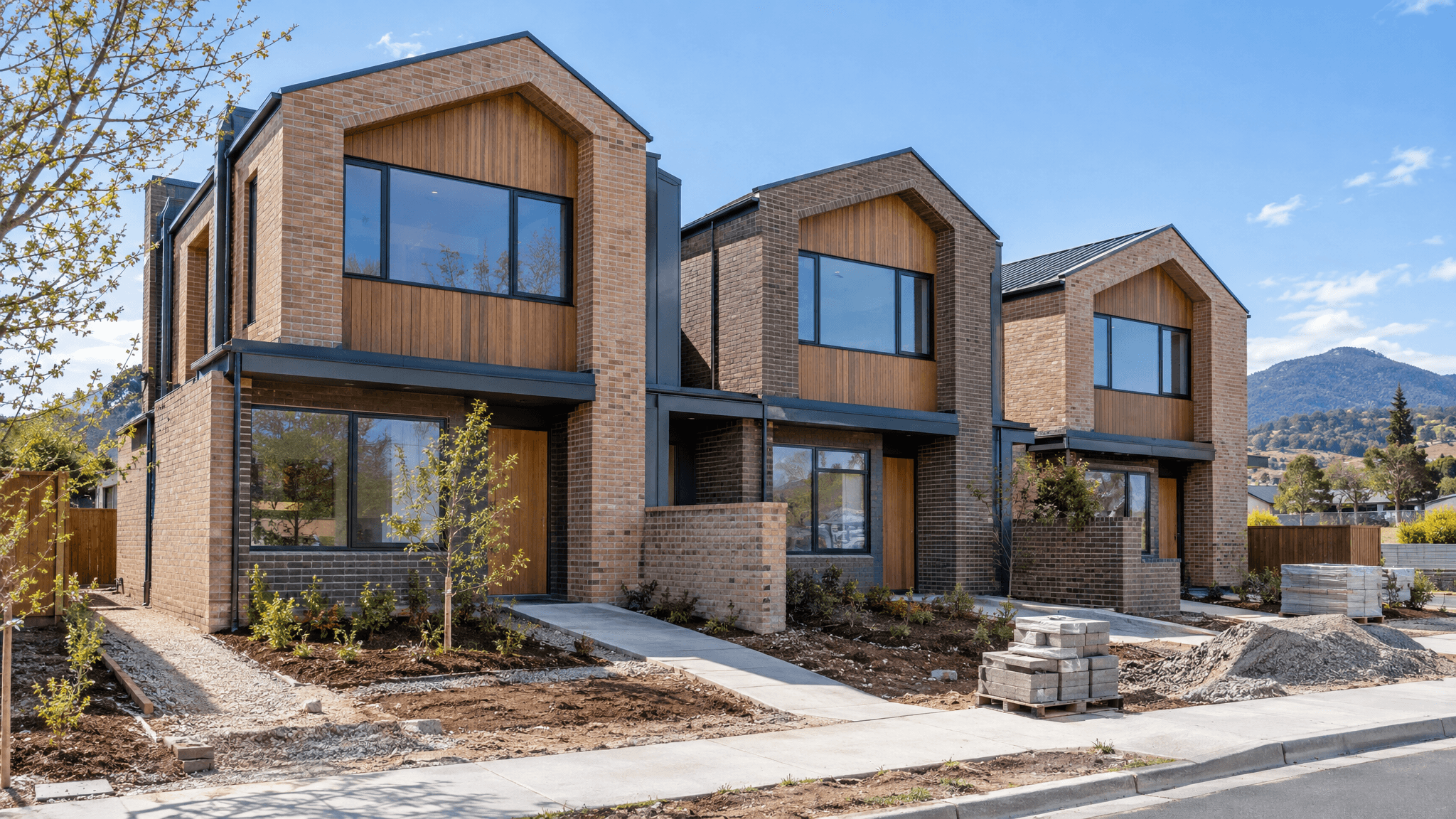
Waterproofing dominates NSW apartment defect orders, register review finds
A review of NSW building orders found waterproofing in 88% of apartment cases with defect tables, underlining the checks buyers should make before purchasing.

RentBuy Team
4 min read
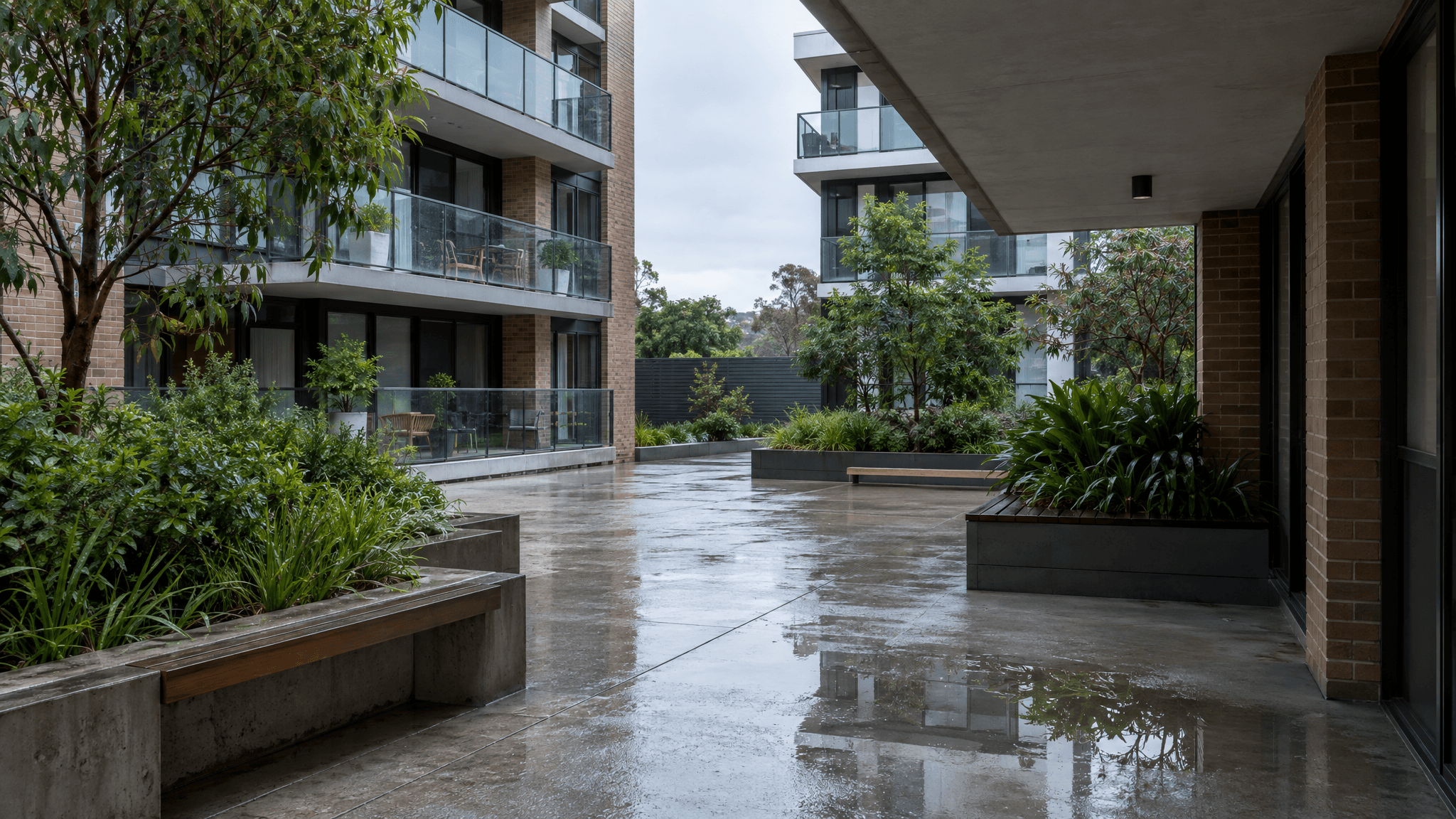
Waterproofing appeared in almost nine out of 10 NSW apartment building rectification orders examined in a new review of the state’s public building orders register.
PropertyFlags said it downloaded 136 orders listed by Building Commission NSW as at September 27 and was able to examine 134 of the documents. Its analysis covered 97 buildings with rectification orders, including 74 apartment buildings regulated under the Residential Apartment Buildings Act.
Of the 73 apartment orders that contained a defect table, 64, or 88 per cent, listed waterproofing failures. Forty-three, or 59 per cent, described water that had already entered areas such as bedrooms, bathrooms or living spaces.
Fire-safety problems were also common, appearing in 40 of the 73 orders. Examples across the documents included problems involving fire doors, sprinklers, fire-rated walls and exits.
The review found that at least 36 of the 74 apartment buildings were complete and occupied, or contained descriptions showing that residents were already living with the defects. Eight were described as under construction, while the remaining documents did not clearly state their occupancy status.
The results are serious but not representative of every building
The findings need to be read in context. The Building Commission register is an enforcement record, not a random survey of NSW apartments.
It contains buildings where the regulator has issued an order because of identified defective work, serious defects or risks arising from construction. It therefore cannot be used to conclude that 88 per cent of all NSW apartment buildings have waterproofing problems.
The official register also generally displays orders while they remain in force. Building Commission NSW says an order continues to have effect until it is complied with or revoked, and its audit guidance states that orders are removed from the website when the relevant defects have been satisfactorily rectified and the order is revoked.
That means the register provides an important warning about identified problems, but it is not a permanent history of every defect or enforcement action associated with a property.
Building Commission NSW can issue stop-work, prohibition and rectification orders under several pieces of legislation. Depending on the order, the regulator can require defects to be fixed, prevent work from continuing or stop an occupation certificate or strata plan from being issued.
An active order does not necessarily mean a property is uninhabitable. Buyers need to read the actual document to understand the affected parts of the building, the work required, the responsible party and the compliance deadline.
Checks for apartment buyers
The research demonstrates why a standard inspection of the apartment interior is only part of due diligence. Many expensive failures involve common property, including balconies, roofs, basements, façades, drainage systems and fire-safety infrastructure.
Before exchanging contracts, buyers can consider:
- Searching the Building Commission NSW register using the development address.
- Obtaining a detailed strata report and reading recent meeting minutes, defect reports and correspondence with builders or regulators.
- Checking the capital works fund and whether special levies have been raised or discussed.
- Asking whether the owners corporation has litigation, warranty, insurance or remediation claims underway.
- Engaging appropriately qualified building and legal professionals where records reveal unresolved defects.
Owners preparing to sell should also expect informed buyers to ask about water ingress, insurance claims, special levies and any government orders. Clear records showing what has been investigated, repaired and certified can help purchasers distinguish a managed problem from an unresolved liability.
What it means for you
- Apartment buyers should investigate the whole building, not only the condition of the unit being sold.
- An active order is a reason to seek details and professional advice, rather than automatically abandoning or proceeding with a purchase.
- Owners corporations should keep complete records of investigations, repairs and regulatory correspondence.
- Sellers should disclose required information and prepare for questions about levies, insurance and remediation costs.