Resale profits retreat as apartment owners carry more of the downturn
Most sellers are still making nominal gains, but Cotality data shows profitability has passed its peak and apartment resales in Melbourne and Sydney face greater risks.

RentBuy Team
4 min read
Australia’s housing downturn has begun to reduce the gains recorded when homes are resold, although years of price growth are still protecting most owners.
Cotality’s Pain & Gain analysis, released Wednesday, examined more than 94,000 residential resales during the June quarter. It found 95.4 per cent sold for a nominal profit, down from a 21-year high of 96.1 per cent in the March quarter.
The national median gain slipped from a record $378,000 to $371,000, while the median loss increased from $44,000 to $45,000.
These figures do not suggest losses are widespread. Instead, they show that resale conditions have turned after an extended period in which rising values lifted the results achieved by most vendors.
Because the figures are nominal, they should not be treated as the seller’s final cash return after expenses such as stamp duty, agent fees, renovations, finance and tax.
Houses continue to outperform units
The difference between houses and apartments was substantial.
Cotality found 97.8 per cent of house resales made a nominal gain, compared with 90.5 per cent of unit resales. Profitable houses produced a median gain of $435,500, while the median for profitable units was $251,000.
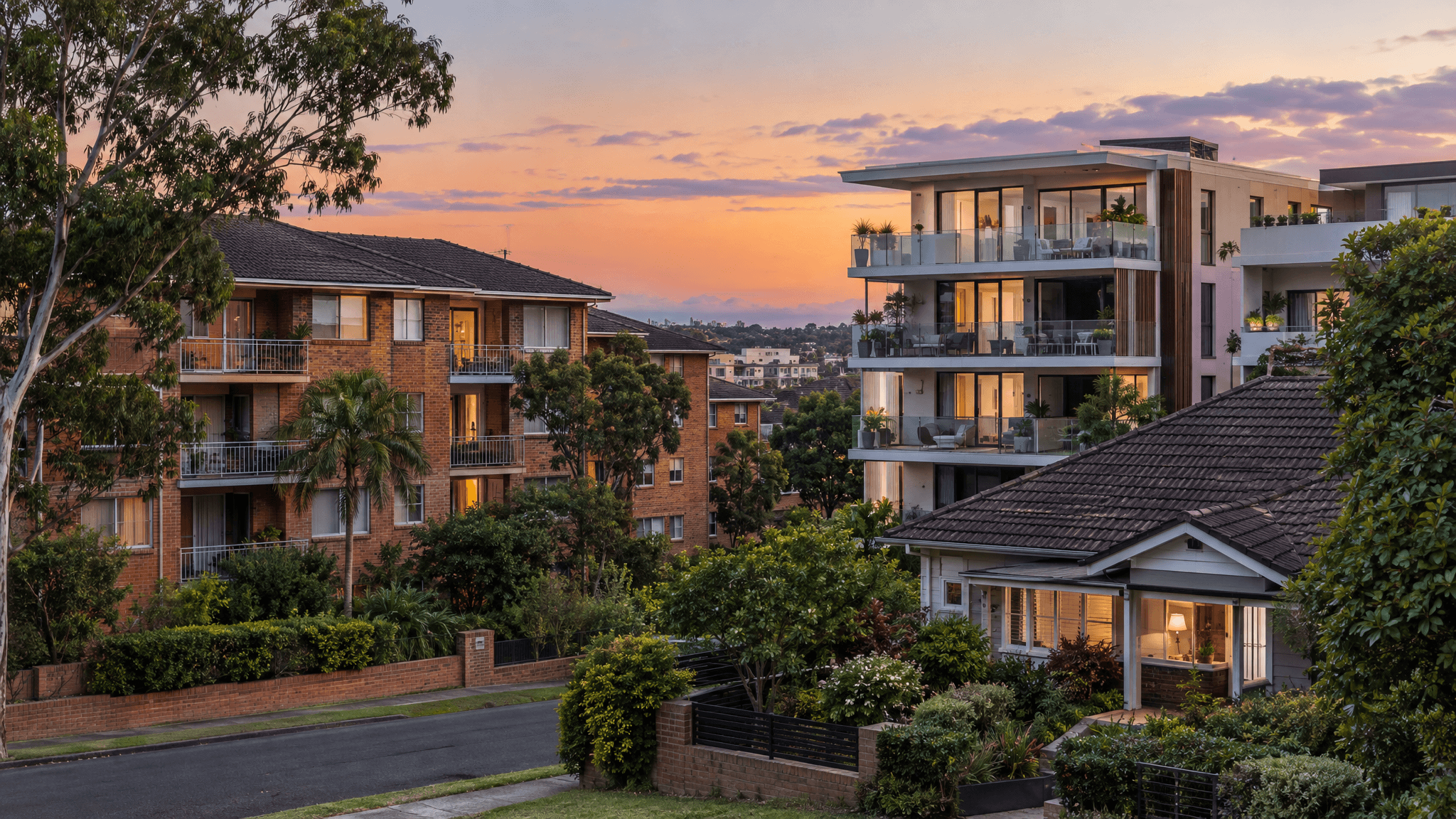
Apartment losses were heavily concentrated in Australia’s two largest cities. Sydney and Melbourne together accounted for 83.3 per cent of the value of unit resale losses nationally.
In Melbourne, 20.8 per cent of units resold for less than their previous purchase price, compared with 4.3 per cent of houses. In Sydney, 11.4 per cent of unit resales recorded a loss.
Five council areas accounted for almost 39 per cent of the total value of unit losses: Melbourne, Parramatta, Stonnington, Port Phillip and the City of Sydney.
That does not mean every apartment in those locations is falling at the same rate. Building quality, strata costs, layout, outlook, supply and the price originally paid can all produce very different results within one suburb.
Brisbane remains the strongest capital
Brisbane retained its position as the most profitable capital-city market. Some 99.8 per cent of resales delivered a gain, with a median nominal profit of $525,000.
Adelaide followed with 98.9 per cent of sales making a profit and a record median gain of $480,400. Perth recorded a 98.8 per cent profitable resale rate and a median gain of $470,000.
Melbourne had the lowest profitable resale share among the capitals at 89 per cent, down from 90.7 per cent in March. Its median gain declined to $278,000.
Regional Australia also had a higher proportion of profitable resales than the combined capitals: 97.5 per cent compared with 94.1 per cent. However, profitable capital-city sales generated the larger median gain, at $415,000 compared with $324,500 in regional markets.
Holding time provides a buffer
How long a property had been owned was an important dividing line.
Profitable resales had been held for a national median of 9.1 years, while loss-making resales had a median ownership period of 8.1 years. The difference was especially clear for houses: profitable houses had typically been held for 9.3 years, compared with 4.4 years for houses sold at a loss.
This leaves recent purchasers more exposed if they need to sell during a downturn. Owners who bought near a market peak have had less time to accumulate equity and fewer years of growth to absorb transaction costs or a lower sale price.
For sellers, the practical lesson is to base expectations on current comparable sales, not the highest prices achieved during the preceding upswing.
What it means for you
- Most vendors are still selling above their previous purchase price, but resale gains are starting to decline.
- Recent buyers and some apartment owners in Sydney and Melbourne face the greatest loss risk.
- A nominal gain is not the same as a profit after transaction and ownership costs.
- Sellers should obtain building-specific and recent local comparisons before setting a price.