HAFF Round 3 approvals back more than 5,600 social and affordable homes
Sixteen major projects have received Housing Australia approval, but the newly backed homes must still progress through contracting, planning and construction before tenants can move in.

RentBuy Team
4 min read
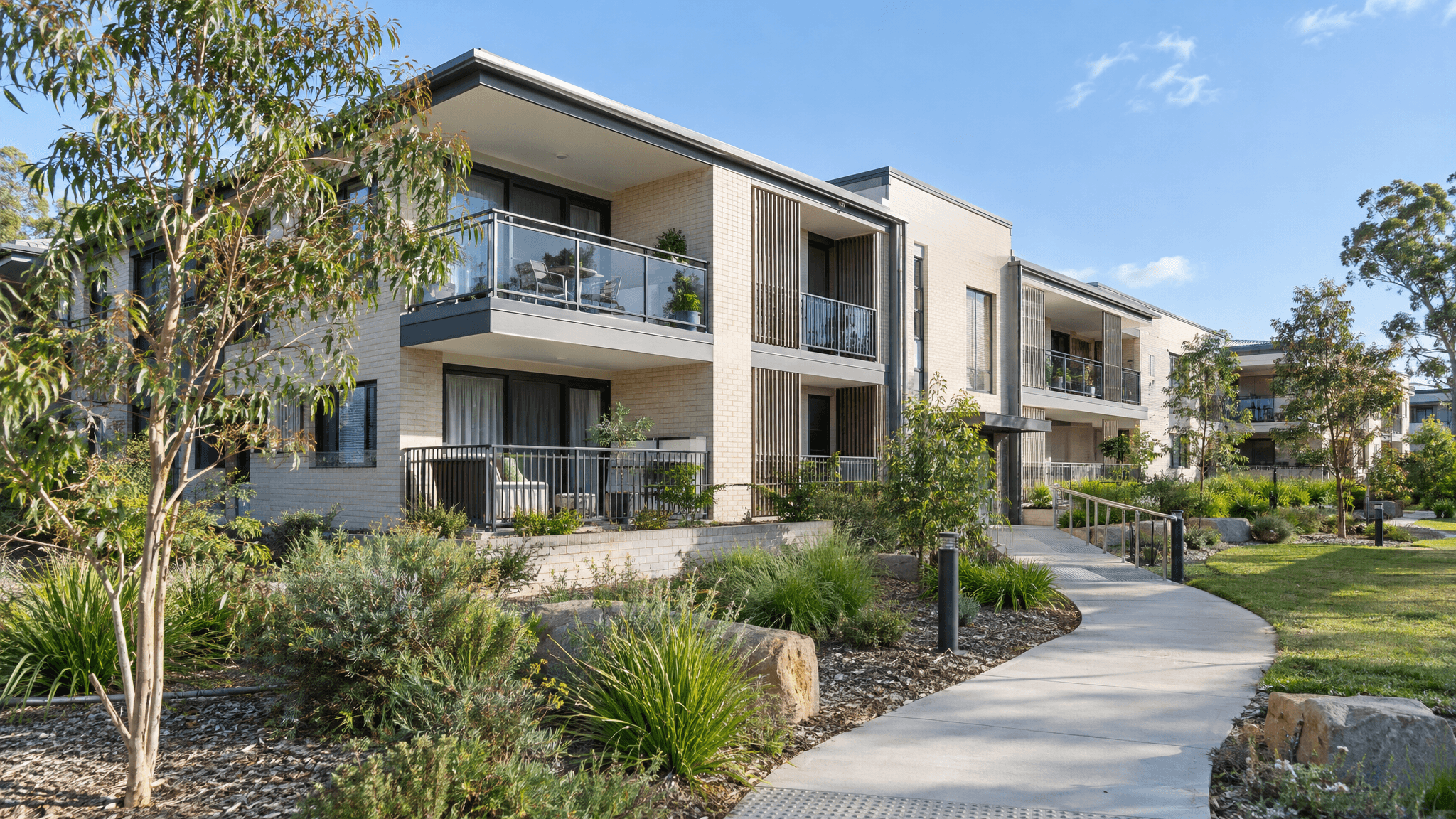
More than 5,600 new social and affordable homes have been approved across 16 major projects in the third funding round of the Housing Australia Future Fund.
The federal government announced the approvals on Wednesday as part of its broader commitment to deliver 55,000 social and affordable homes. It said every dwelling supported through the program would be newly constructed rather than purchased from the existing housing stock.
That point is important in a tight rental market. Buying existing homes for use as affordable housing can assist individual tenants, but it does not increase the total number of properties. New construction adds supply, provided the approved projects move through contracts, planning and building without being lost to rising costs or delays.
The announcement did not publish a project-by-project list showing locations, dwelling types, construction dates or the split between social and affordable housing. Approval is therefore an important funding milestone, not an indication that 5,600 homes are ready for applications or occupation.
What an approval means
Housing Australia uses the fund to make social and affordable housing projects financially viable through government-backed support. Projects can involve state and territory governments, community housing providers, First Nations housing organisations and other delivery partners.
The economics of below-market housing are difficult because rental income is intentionally limited while land, construction, finance, maintenance and management costs remain substantial. Funding support helps close that gap.
Once a project is approved, proponents generally still need to complete legal and financing arrangements and satisfy any remaining planning, procurement and construction requirements. The time between approval and completion will vary considerably between a small group of houses and a large apartment development.
The government said more than 8,000 social and affordable homes across its housing programs were complete, including more than 2,000 supported by the HAFF. A further 22,000 were in planning and construction.
Those categories should not be added to the new Round 3 approvals without more detailed program information, because project stages and funding programs may overlap. The clearest new figure from Wednesday is that Housing Australia has approved more than 5,600 Round 3 homes across 16 projects.
Who the homes are intended to help
Social housing is generally allocated according to state or territory eligibility rules and waiting lists. Rent is commonly linked to household income, although arrangements differ between providers and jurisdictions.
Affordable housing is a separate category. It is often aimed at low- to moderate-income households, including essential workers, and may be offered at a discount to market rent. Eligibility, rent-setting methods and tenancy arrangements depend on the project and the community housing provider managing it.
The federal announcement highlighted housing for women and children affected by domestic violence, essential workers and veterans as examples of people being supported across the wider program. That does not mean every newly approved project will serve each of those groups.
Prospective tenants cannot apply to the HAFF itself for a dwelling. Applications will ultimately be handled by state housing agencies or the community housing providers responsible for completed projects. More useful information for renters will emerge when the 16 projects are identified and delivery partners announce locations, eligibility and expected completion dates.
The delivery test comes next
Approving finance is necessary, but Australia’s construction environment remains challenging. Projects must contend with builder capacity, labour and material costs, planning requirements and competition for finance.
The size of this batch is nevertheless significant. An average calculated across the announcement would be about 350 homes per project, although the actual projects may differ widely in scale.
For surrounding property markets, large social and affordable developments can add stable rental supply without placing another group of buyers into competition for existing homes. Their local effect will depend on where the projects are built, their density and how quickly construction begins.
What it means for you
- The announcement is a funding approval, not an opening of rental applications.
- Renters should wait for state agencies and community housing providers to publish project details.
- The homes will add to supply because the government says they must be newly constructed.
- Delivery dates, locations and the social-affordable split were not included in Wednesday’s release.