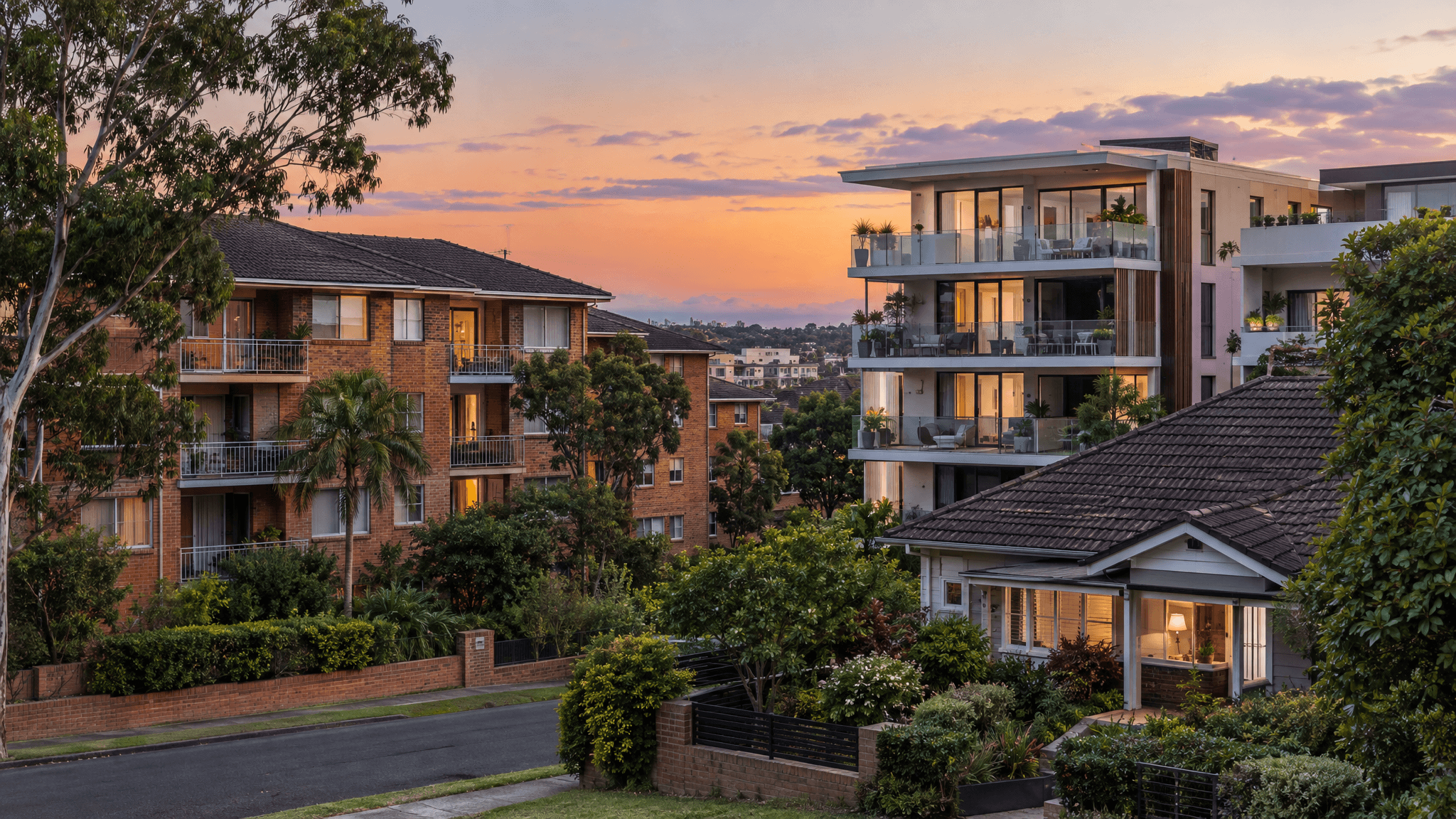
AI-altered property photos still have to show buyers the truth
Agents are increasingly using AI staging and enhancements, but existing consumer laws still prohibit images that create a false impression of a home.

RentBuy Team
4 min read
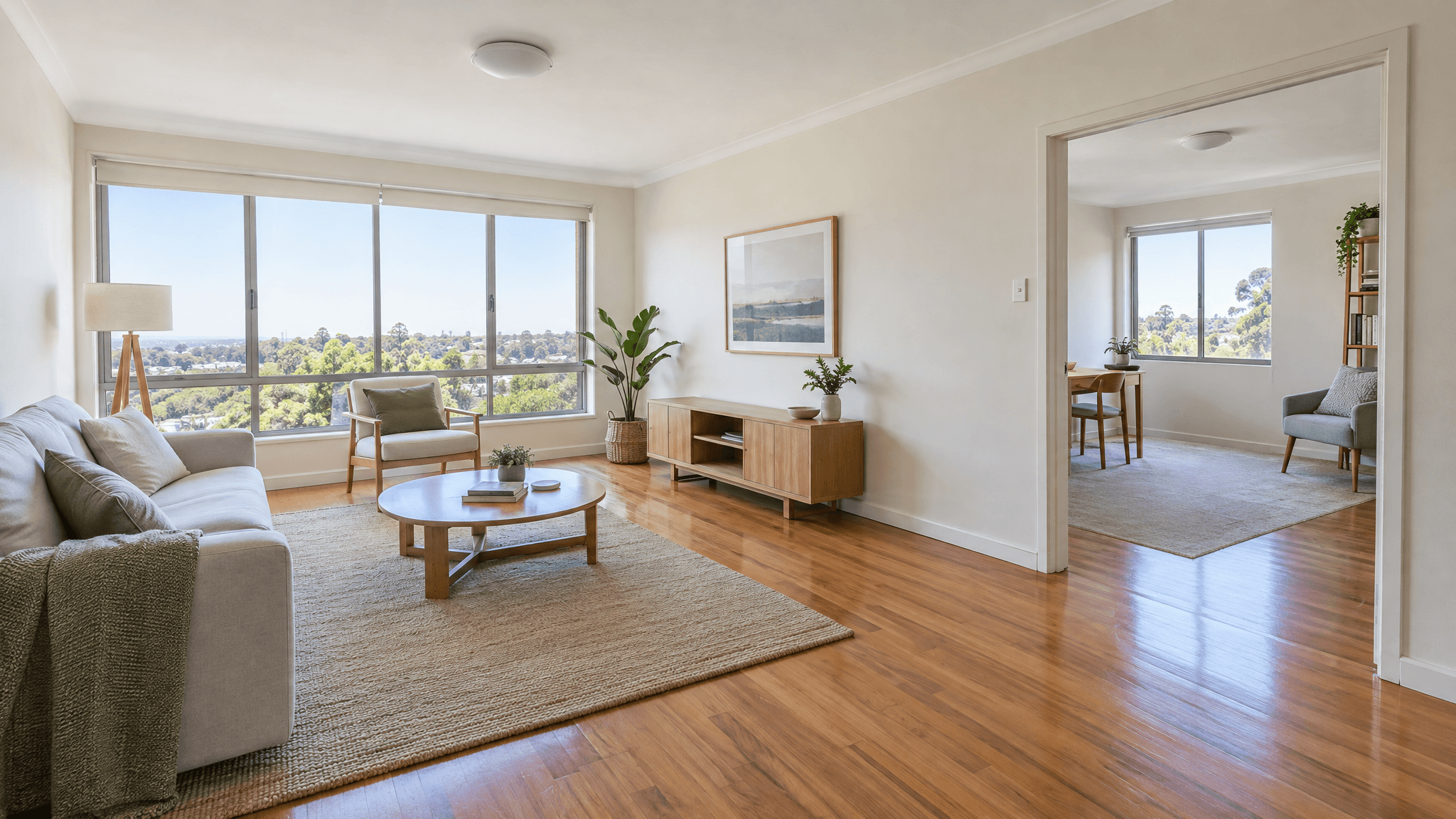
Artificial intelligence is making it quicker and cheaper to furnish empty rooms, improve gardens and create polished property marketing, but agents and sellers remain responsible for the impression those images give buyers and renters.
An ABC investigation published on Wednesday found examples of AI-generated or manipulated content in residential property advertisements around Australia, including virtual furniture, altered lifestyle scenes and generated music promoting a home’s features.
Virtual staging is not automatically misleading. It can help a buyer understand how an empty room might be used, particularly when the alteration is clearly disclosed and the underlying dimensions and permanent features remain accurate.
The risk begins when an image changes the property rather than its presentation. Removing damage, replacing an undesirable outlook, adding fixtures or showing landscaping and amenities that do not exist can leave a reasonable viewer with a false impression of what is being offered.
Existing laws apply to new technology
Australia does not need an AI-specific property offence before misleading images can attract regulatory attention.
The Australian Competition and Consumer Commission says agents must give truthful and complete information about a property’s features, location, zoning, history and permitted use. Misleading conduct can be unlawful even where there was no deliberate intention to deceive.
The rule applies to images as well as written claims. A disclaimer may help explain that furniture has been digitally added, but it is unlikely to cure a picture that materially misrepresents the home itself.
State regulators can also apply property-industry laws and licensing rules. Queensland’s Office of Fair Trading has issued industry guidance encouraging responsible enhancement and disclosure of AI use, according to the ABC. The regulator reported receiving six complaints about digitally altered real-estate images since January 2025.
NSW Fair Trading’s established advertising guidelines already tell agents not to modify photographs until they cease to truthfully and fairly represent the property. Its examples warn against digitally adding or removing property features and touching up photographs to hide undesirable characteristics.
Staging is different from concealment
The practical boundary is whether the alteration helps a person imagine a use for the space or changes what they would reasonably expect to find at an inspection.
Adding a sofa to an otherwise accurate photo of an empty lounge is different from widening the room, removing a structural column or replacing a damaged floor. Adjusting exposure to compensate for poor lighting is different from creating sunlight, views or finishes the property does not have.
Sellers should ask their agent and photographer exactly what will be altered and how each edited image will be labelled. Keeping the original photographs also provides a record of what was changed.
A cautious campaign may show both the original room and the virtually staged version. That gives buyers inspiration without requiring them to guess which parts are real.
Buyers should verify permanent features
AI images can be especially difficult for interstate buyers, investors and renters applying without attending an inspection. High demand can create pressure to make a decision from photographs and a floor plan alone.
Where an image looks unusually polished, buyers can request current unedited photographs or a live video inspection. Permanent features such as windows, doors, flooring, storage, views and outdoor areas should be checked against the floor plan, contract documents and physical inspection.
Buyers should also remember that a building or pest inspection examines condition; it does not replace the need to confirm that the advertising accurately depicts layout, inclusions and surroundings.
If a consumer believes an agent has used an altered image to mislead them, the ACCC recommends first raising the issue with the agency. Unresolved complaints about agent conduct can be taken to the relevant state or territory consumer protection regulator.
For agents, the technology may be new but the compliance question is familiar: does the complete advertisement leave the prospective buyer or renter with an accurate understanding of the property?
What it means for you
- Virtual furniture can be useful when it is clearly disclosed and does not alter permanent features.
- Sellers should approve AI changes and retain the original, unedited photographs.
- Buyers can request unaltered images or a live video inspection before relying on a listing.
- Existing consumer and property laws can apply when an AI-generated image creates a false impression.